
There is no "GLP-1 diet" on any label, and nobody should sell you one. What exists is narrower and more useful: every GLP-1 weight-loss label says the drug works "in combination with a reduced-calorie diet and increased physical activity",7 and in 2025 four medical societies, the American College of Lifestyle Medicine, the American Society for Nutrition, the Obesity Medicine Association and The Obesity Society, published a joint advisory on how people on these drugs should eat.1 This guide is that advisory, translated into what to put on the plate, what to limit, and what to do when the drug makes eating hard. It does not give calorie targets or a meal plan: those are your prescriber's or dietitian's job, and the advisory says so.
Why eating changes on a GLP-1
The drugs slow the stomach and turn appetite down. That is how they work, and it creates the four problems the advisory names: gut side effects, "nutritional deficiencies due to calorie reduction", "muscle and bone loss", and "low long-term adherence with subsequent weight regain".1 Each one has a food answer, and that is the structure of this page.
The timing of the dose does not matter for food. The labels say to inject "at any time of day, with or without meals".79 There is no need to schedule meals around the shot.
What the trials asked people to do
The weight-loss results printed on the labels did not come from the drug alone. In Zepbound's approval trials, "all patients received a standard lifestyle intervention which included instruction on a reduced-calorie diet (approximately 500 kcal/day deficit) and increased physical activity counseling (recommended minimum of 150 min/week)", starting with the first dose and continuing throughout.10 The placebo group got the same counselling, which is why the gap between the two groups is the drug's effect on top of diet and activity, not instead of them.
That is a trial protocol, not a prescription for you. Your prescriber or a registered dietitian sets your own targets. The point for this guide is narrower: the published results assume people were eating less and moving more, and the advisory below is about how to do that well on a drug that changes appetite.
What to eat: the advisory's list
The advisory's central instruction is to protect nutrition inside a smaller amount of food: guidance "should focus on ensuring nutrient adequacy within an often substantially lower-calorie diet".4 When you eat a third less, every plate has to carry more of what the body needs.
| Build meals around | Limit or avoid |
|---|---|
| Fruits and vegetables | Refined carbohydrates: white flour, refined grains, starches, added sugars |
| Whole grains (oats, brown rice, whole-grain bread and pasta) | Sugar-sweetened drinks |
| Legumes (beans, peas, lentils) | Red and processed meats |
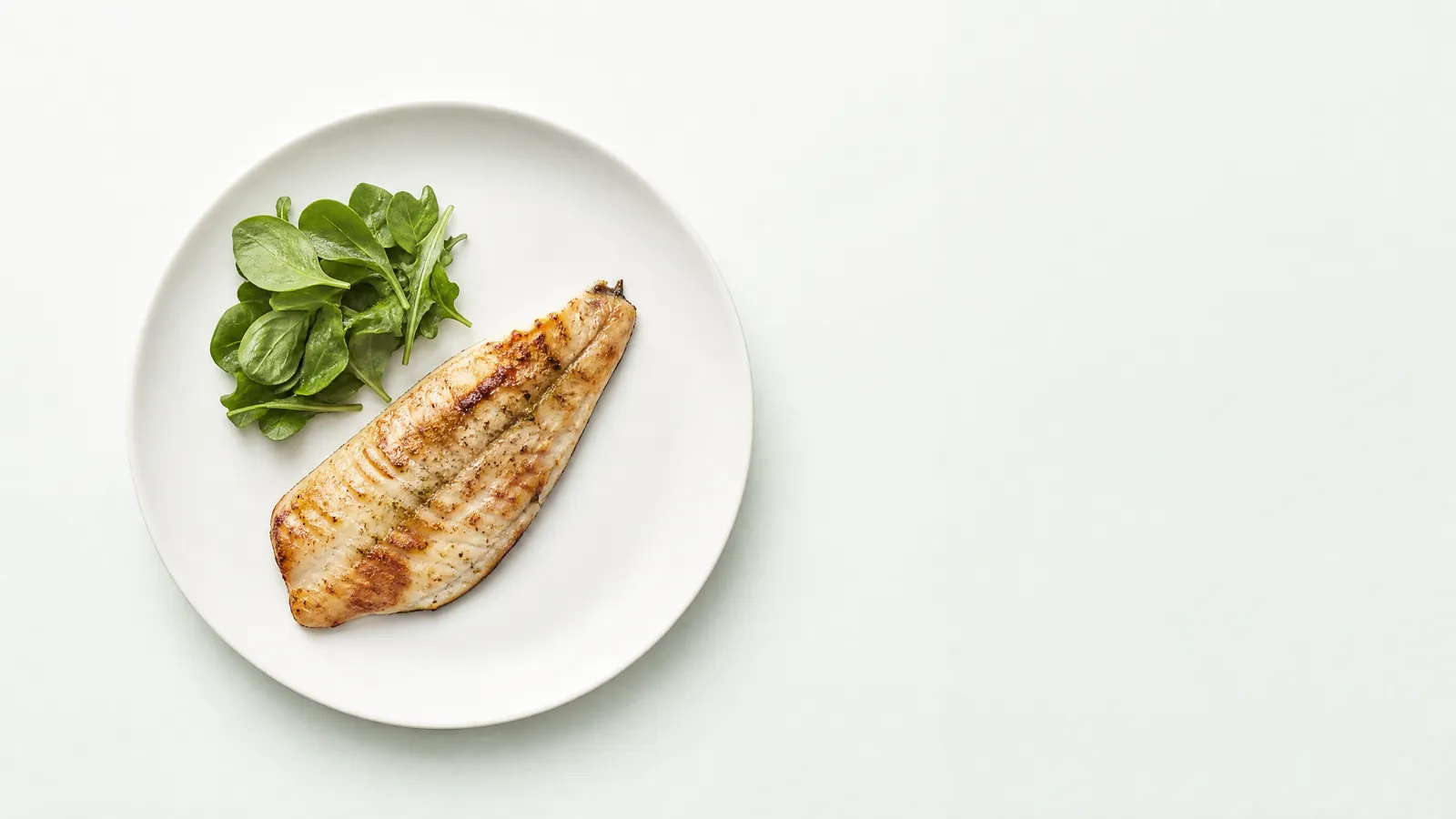
| Lean proteins: fish, seafood, poultry, eggs, dairy | Most fast food |
| Nuts and seeds, and their butters | Ultra-processed sweets and savoury snacks |
| Plant oils such as olive or canola | Alcohol (keep it minimal) |
The two columns are the advisory's own: it tells clinicians to "emphasize a diversity of nutrient-dense, minimally processed foods such as fruits, vegetables, whole grains, legumes, lean proteins, nuts, and seeds" and to counsel people to "avoid refined carbohydrates (i.e., refined grains, flour, starches, sugars), sugar-sweetened beverages, red and processed meats, and most fast foods, ultra-processed sweets, and savory snacks".4 On alcohol it is specific: it "may also worsen nausea and gastroesophageal reflux with GLP-1 therapy and should be minimized".3 The GLP-1 and alcohol guide covers what the labels say about it.
It also says supplements can be "proactively considered for at-risk nutrients, such as vitamin D, calcium, and B12, tailored to each person's needs".4 That last clause is the point: it is a conversation with your prescriber, based on your bloods, not a multivitamin by default.
Protein first, and why it is not enough on its own
Muscle is the quiet risk. When weight comes off fast, some of it is lean mass, and a smaller appetite makes enough protein hard to reach. The advisory gives the baseline, "the recommended daily allowance for protein is 0.8 g per kg of body weight per day" for adults in general, and notes that higher targets have been proposed during active weight loss; what your target should be is a question for your prescriber or a dietitian.5
The practical advice is simple and specific:
- Eat the protein first. "Protein-rich foods can be consumed first in a meal to increase the likelihood of sufficient consumption."5 If you fill up early, the protein is already in.
- Pick dense sources. The advisory names "fish, eggs, Greek yogurt, cottage cheese, and nuts/seeds, including their spreads, such as peanut or almond butter".5 They give a lot of protein for a small volume.
- Drinkable protein counts. Smoothies and protein drinks made with fruit, vegetables and unsweetened milk or yogurt, plus cottage cheese and soups, "are often more appealing" than heavier foods such as red meat, cold cuts or hard cheese when appetite is low.5
The advisory is blunt about the limit of protein: more protein on its own is "likely inadequate to support the preservation of muscle mass in the absence of structured resistance/strength training".6 Food and lifting work together; neither works alone. Its summary lists "preserving muscle and bone mass through resistance training and appropriate diet" as one of the core jobs during treatment.1
Strength training belongs in the diet conversation
It sounds like a separate topic, but the advisory treats it as part of nutrition. "Structured strength (resistance) training or mixed training (resistance plus aerobic) ... programs are well established to help preserve lean mass during weight reduction", while "aerobic activity alone has a smaller effect on preserving lean mass during rapid weight reduction".13 Protein supplies the material; resistance training gives the body a reason to keep the muscle. A walking habit is good for health, but on its own it does less for muscle during fast weight loss.
Your tastes may change
Many people notice that food appeals differently on a GLP-1. The advisory is careful here: preference changes are reported, "however, these influences are less rigorously documented, with varying study results".11 In the authors' clinical experience, "a substantial number of individuals are less interested in food; cravings for high-fat foods, sugary foods, and alcohol are diminished; and binge eating, loss-of-control eating, and food rumination are reduced".11 There is a counter-current: nausea "may trigger cravings for comfort foods containing sugars or refined carbohydrates such as white flour and white rice", and some people have food aversions, "typically at the initiation of treatment and with dose increases".11 Knowing that comfort cravings are often a nausea signal makes them easier to handle with the small, bland meals described below.
Foods that make the side effects worse
Gut side effects are most likely "during GLP-1 initiation or dose escalation",2 which is the first few months while the dose climbs. The food choices that matter most are tied to each symptom.
Nausea
The advisory says nausea "often occurs in the morning or after longer periods without eating", and that "smaller, more frequent meals and avoiding fatty or high fiber foods during the first few days of treatment can help alleviate symptoms".2 It warns about a trap: some people stop eating because of nausea, "which worsens the symptoms and further reduces the likelihood of eating".2 The fix it describes is eating breakfast and then small meals every three to four hours with enough fluid.2 Ginger or peppermint tea and acupressure bands "can be beneficial", and anti-nausea medication from your prescriber is an option during dose increases.2
Vomiting
"Vomiting is more likely to occur with large meals."2 Stopping eating when you feel full, not when the plate is empty, is the single most useful habit on these drugs.
Constipation
"Adequate fluids and fiber from foods should be encouraged, although additional strategies are often required."3 There is a tension worth knowing: fibre and fat help with fullness but slow the stomach further, so during a bad spell of constipation your clinician may suggest easing off them for a while. The advisory notes constipation "should be managed proactively", which means raising it early rather than waiting.3 The constipation, nausea and diarrhoea guide covers what the labels report.
Diarrhoea
Diarrhoea "is less common than nausea or constipation and more likely to occur with tirzepatide" (the molecule in Zepbound and Mounjaro). "Avoidance of large or high-fat meals can be helpful."3
Fluids: the part people skip
This is the one with a hard edge. The Zepbound label reports kidney injury, "in some cases requiring hemodialysis", and says "the majority of the reported events occurred in patients who experienced gastrointestinal adverse reactions leading to dehydration such as nausea, vomiting, or diarrhea".8 The drug does not damage kidneys directly; days of fluid loss can. The advisory's first line on constipation is "adequate fluids", and it builds fluids into its eating habits.3 If you cannot keep fluids down, that is the moment to call your prescriber, not the moment to wait it out.
How to eat, not just what
The advisory's eating habits are as simple as its food list: regular, small meals at consistent times; not going long periods without food; avoiding large meals; enough fluids; minimal alcohol; and room for portion-controlled treats.45 "Small, frequent meals may be effective when hunger and food interest are low."5 If food stops appealing at all, it suggests a reminder to eat.5
Keto and intermittent fasting on a GLP-1
Both come up constantly, and the advisory addresses both. On keto: "ketogenic or very-low-carbohydrate diets can be a practical approach to weight loss and glycemic control for some people, while others find long-term adherence difficult".12 On fasting, it raises a specific safety point: intermittent fasting "may increase the risk of hypoglycemia in individuals with type 2 diabetes on hypoglycemic agents".12 If you take insulin or a sulfonylurea alongside a GLP-1, talk to your prescriber before skipping meals.
It also notes something many people do without meaning to: on a GLP-1, people "may also practice unintended intermittent fasting, due to not being hungry", and it recommends eating "at regular times of the day" even then.12 Long gaps with little protein are how muscle loss and nutrient shortfalls happen.
When food problems mean calling your prescriber
- You cannot keep fluids down for a day, or have repeated vomiting or diarrhoea. Dehydration is the route to the kidney injury on the labels.8
- You are eating very little for days because of nausea or aversion. The advisory flags the not-eating cycle as something that makes nausea worse.2
- Constipation is not responding to fluids and fibre. The advisory says additional strategies "are often required" and lists options a clinician can recommend.3
What this guide cannot tell you
- Your calorie or protein number. The advisory deliberately gives ranges and leaves the number to clinicians, because it depends on your body, your dose and your activity.5
- Whether a specific diet is right for you. The advisory discusses keto, intermittent fasting and ultra-processed food as topics, but recommends a pattern, not a branded diet.64
- Anything about your medication dose. That is set by your prescriber from the label.
What the drug costs while you change how you eat
The diet is free; the drug is not, and the price gap between programs is wider than most people expect. The board below is every partner program we track, ranked by what you actually pay each month, membership fees included.
If insurance is the question, start with the coverage checker, which quotes each insurer's own policy. For the long view, what happens when you stop covers the regain data, and eating habits built during treatment are the advisory's main defence against it.