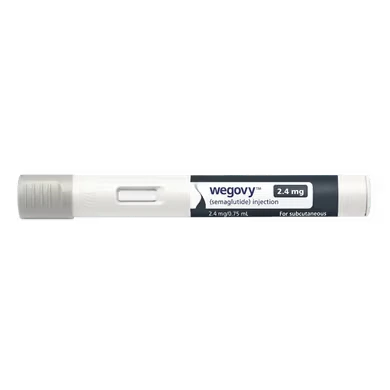
Every answer we’ve verified
Each cell links to the insurer’s own published wording, quoted, with the date we read it. Empty cells are combinations we have not checked rather than answers of no.
70 answers · 15 insurers · 3 PBMs · 6 brands




Covered on published plansDepends on your planGenerally not coveredExcluded from standard formulary
Verdicts describe weight-loss use. Almost every plan here treats type 2 diabetes differently and more generously, which each sheet sets out separately.
Your insurer probably isn’t the one deciding
The formulary, which is the list that says whether a drug is preferred, excluded or behind step therapy, is usually run by a pharmacy benefit manager rather than by the insurer whose name is on your card. When you read that a plan “dropped Zepbound,” this is the company that dropped it. Knowing yours is often more useful than knowing your insurer, because plans sharing a benefit manager tend to share an answer.
CVS Caremark
runs the formulary for Molina Healthcare, Aetna · read its sheets →
Express Scripts
runs the formulary for Cigna · read its sheets →
Optum Rx
runs the formulary for UnitedHealthcare · read its sheets →
Two insurers have no single benefit manager to name. Blue Cross Blue Shield is around 33 independent licensees running different benefit managers, and Kaiser Permanente is an integrated system with regional formularies and no outside manager at all. In both cases one national answer would be wrong, which is why those sheets say so instead.
The three ways people actually pay
Plan covers it
A brand prescription plus the manufacturer savings card. Worth being precise: the card takes up to $100 a month off your copay rather than setting your price to $25, so you land on the advertised figure only if your copay is roughly $125 or less. Prior authorization is usually required either way.
Medicare
Since July 2026, covered brand GLP-1s run about $50/mo through Medicare drug plans. Requires Medicare and plan coverage; ask your prescriber. Manufacturer savings cards exclude government beneficiaries, so on Medicare, Medicaid or TRICARE For Life the card is not an option and the Bridge is the thing to ask for by name.
Plan says no
Cash-pay is the fallback, and it’s the number we track all day. Cheapest semaglutide program right now: $69/mo (SnagRx). Cheapest tirzepatide program right now: $85/mo (Collective).
Compare every program on the boardPrior authorization letter templates
A fill-in-the-blanks letter of medical necessity your prescriber can adapt, next to the BMI, condition and program criteria each plan publishes. A template for the prescriber, not medical advice. Checked October 2026.
Checklist · for the call
Questions to ask your insurer
Call the member services number on your card. Ask these in order, and write each answer down.
- Is the drug on my plan's formulary for weight management, and at what tier?
- Does my plan include the weight-loss medication benefit, or is that category excluded?
- Does the drug need prior authorization? Can you send me the written criteria?
- What BMI, and which conditions, does the policy require?
- Do I have to show a diet, exercise or behavioral program first? For how long?
- Do I have to try another drug first (step therapy)?
- Is there a quantity limit on each fill?
- How long does an approval last, and what does the renewal need?
- What will I pay each month at the pharmacy once it is approved?
- Which pharmacy do I have to use: retail, mail order or specialty?
- If it is denied, how do I appeal, and what is the deadline?
Write down: date of call · name of the person · reference number · what they said
Questions people ask
Does my insurance cover Zepbound or Wegovy for weight loss?
It depends on your specific plan more than your insurer. Of the 70 insurer and drug answers we have read, 30 depend on whether your employer bought the weight-loss drug benefit, 37 are generally not covered and 3 are covered on the plans described. Each answer above quotes the insurer's own material with its date.
Does the manufacturer savings card work with Medicare or Medicaid?
No. The Lilly and Novo savings cards exclude government beneficiaries, which covers Medicare, Medicaid, TRICARE and the VA. On Medicare, ask about the Medicare GLP-1 Bridge, a $50 monthly copay for people who meet its BMI rules.
What do I pay if my plan covers it?
With a commercial plan that covers the drug, the maker's savings card can bring a fill down to as little as $25, up to a monthly cap (for Zepbound, $100 off a month). If your copay is higher than the cap plus $25, you pay the difference.
My insurer isn't listed. What should I do?
Call the number on your insurance card and ask two things: is the drug on the formulary for weight management, and does it need prior authorization. The pharmacy benefit manager named on your card usually runs the drug list.
What if my plan says no?
Paying cash. The cheapest program we track is $69 a month at SnagRx, billed monthly, checked October 2026.
If you want the money detail
Coverage answers whether. These answer what it costs you, and what to do when the answer is no.