





The BMI number everybody quotes is not in the indication.
Search this question and you will be told you need a BMI of 30, or 27 with a weight-related condition. Those are the standard clinical definitions of obesity and overweight, and they are reasonable shorthand. They are not the words on the label, and treating them as a gate turns plenty of people away who should be having a conversation.
What the label actually says
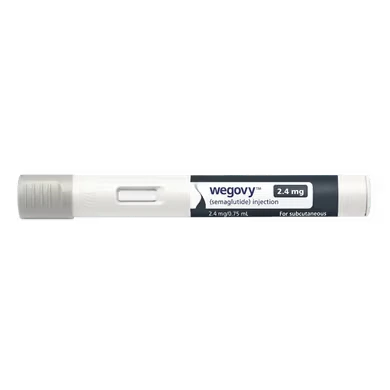
Wegovy's Indications and Usage section, quoted:1
to reduce excess body weight and maintain weight reduction long term in: adults and pediatric patients aged 12 years and older with obesity ... adults with overweight in the presence of at least one weight-related comorbid condition.
FDA label, via DailyMed
No numbers. It describes conditions, and assessing whether you have them is a clinician's job rather than a calculator's.
The two routes almost nobody knows about
The same label lists two further indications, and they are not weight-loss indications at all:1
to reduce the risk of major adverse cardiovascular (CV) events (CV death, non-fatal myocardial infarction, or non-fatal stroke) in adults with established CV disease and either obesity or overweight.
for the treatment of noncirrhotic metabolic dysfunction-associated steatohepatitis (MASH) ... with moderate to advanced liver fibrosis (consistent with stages F2 to F3 fibrosis) in adults.
If you have established cardiovascular disease, or diagnosed MASH with fibrosis, there are indications here that have nothing to do with how much you want to weigh. That is worth raising with the clinician who already treats you for those things.
And separately, semaglutide is approved as Ozempic for type 2 diabetes:2
For adults with type 2 diabetes, along with diet and exercise, to improve blood sugar.
Novo Nordisk
Four different doors, not one.
What actually happens
Whichever route you take, the shape is the same: a licensed clinician takes a history, works out whether one of these indications fits you, weighs it against your other conditions and medicines, and decides. That is true of an in-person appointment and it is true of a good telehealth visit.
Things a prescriber will generally want to know: your height and weight, your other diagnoses, everything else you take, your personal and family history including thyroid cancer and pancreatitis, and whether you are pregnant or planning to be.
A GLP-1 carries a boxed warning for thyroid C-cell tumour risk and must not be combined with another GLP-1. If an assessment does not ask about your history, it is not an assessment.
Telehealth or in person
Both are legitimate routes and the choice is mostly practical.
In person makes more sense if you are managing something else at the same time, particularly diabetes or cardiovascular disease, because the person prescribing already holds your full picture and your insurance is likelier to engage.
Telehealth is faster and is where most cash-pay prescriptions come from. The thing that separates a good telehealth program from a bad one is whether there is a real clinician doing a real assessment, and whether you can reach them afterwards.
If a seller skips the assessment entirely, that is not a faster route. It is the thing that makes it not a route, and it is the first of the checks worth running.
If you are told no
It happens, and it is not always the end of it. Worth doing, in order: ask which indication you were assessed against, ask what would change the answer, and ask whether a different clinician who holds more of your history would reach the same conclusion. Prescribers are not interchangeable and neither are the indications.
Then the cost question
Once there is a prescription, what you pay depends heavily on which route you took, and the spread is enormous. Coverage first, cards second, cash last:
Every figure is the all-in monthly cost including any membership fee we could verify, read off the seller's own page and dated. If you have insurance, what your insurer publishes is worth reading before any of it.