
PriceTrackerGLP-1

Do GLP-1 patches work? What the FTC and FDA say, and the real needle-free option

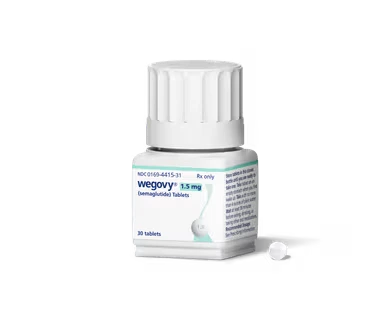
No. No GLP-1 patch is FDA-approved, and the Federal Trade Commission's guidance is direct: "Nothing you can wear or apply to your skin will cause you to lose weight. Period." Patches sold as "GLP-1" are not semaglutide or tirzepatide, which are prescription drugs. If the appeal is avoiding needles, two approved GLP-1 pills exist: the Wegovy pill and Foundayo, both from $149 a month self-pay from their makers.

5 min read · published Oct 2

Key takeaways

  • 1No GLP-1 patch is FDA-approved. Every approved GLP-1 is an injection or a tablet.
  • 2FTC: "Nothing you can wear or apply to your skin will cause you to lose weight. Period."
  • 3FTC guidance to media lists weight-loss claims for patches as false.
  • 4Needle-free and real: the Wegovy pill and Foundayo, each from $149 a month self-pay.

No. The Federal Trade Commission, which polices weight-loss advertising, puts it in one line:1

Nothing you can wear or apply to your skin will cause you to lose weight. Period.

FTC Consumer Advice

What a "GLP-1 patch" is, and is not

The GLP-1 drugs that produce real weight loss, semaglutide and tirzepatide, are prescription medicines, sold as injections (Wegovy, Zepbound) or tablets (the Wegovy pill, Foundayo).57 As a pharmacist-reviewed summary puts it: "There is currently no GLP‑1 patch that has been approved by the FDA as a drug for weight loss, diabetes, or any other indication in humans."9

A product sold over the counter as a "GLP-1 patch" is therefore not one of those drugs. Its label and its marketing are what you have to go on, and the FTC's guidance to the media that run these ads lists the claim directly:2

Weight loss is an internal metabolic process. Nothing you wear or apply to the skin can cause substantial weight loss. So weight loss claims for patches, creams, lotions, wraps, body belts, earrings, and the like are false.

FTC, Gut Check
Worth knowing

The FTC's words are "could even hurt your health" for this whole category of products.1 The FDA's advice for GLP-1s is to "obtain a prescription from your doctor and fill the prescription at a state-licensed pharmacy", and it lists "prices that seem too good to be true" as a warning sign.3

Why the ads say "GLP-1"

Because the real drugs work and are expensive, the name sells. The FDA said in February 2026 that it is "taking steps to combat misleading direct-to-consumer advertising and marketing" around GLP-1s and will use "all available compliance and enforcement tools ... to address unsubstantiated claims".4 A patch borrowing the name is borrowing the trial results of drugs it does not contain.

If the point was avoiding needles: two real pills

The honest version of a needle-free GLP-1 exists and is FDA-approved for weight:

PillMoleculeSelf-pay from the makerTrial result
Wegovy pillSemaglutide$149 a month at 1.5 mg, up to $299 at 9 and 25 mg5-13.6% mean weight at 64 weeks on 25 mg (OASIS 4)8
FoundayoOrforglipron$149 a month at 0.8 mg, up to $349 at the top doses6Taken any time of day, no food or water rules7

Both need a prescription. Telehealth programs can provide one, and some also sell compounded oral semaglutide, which is cheaper and not FDA-approved. Every oral option we track, ranked by monthly cost:

The full comparison is in every GLP-1 pill, priced.

Sources9
  1. FTC Consumer Advice, The Truth Behind Weight Loss Ads read Oct 2“It would be nice if you could lose weight simply by taking a pill, wearing a patch, or rubbing in a cream, but claims that you can lose weight without changing your habits just aren’t true. And some of these products could even hurt your health. ... Lose weight with this patch or cream. (You can’t.) ... Nothing you can wear or apply to your skin will cause you to lose weight. Period.” ↩
  2. FTC, Gut Check: A Reference Guide for Media on Spotting False Weight Loss Claims read Oct 2“Weight loss is an internal metabolic process. Nothing you wear or apply to the skin can cause substantial weight loss. So weight loss claims for patches, creams, lotions, wraps, body belts, earrings, and the like are false. ... the examples we’re talking about apply to dietary supplements, including herbal remedies, over-the-counter drugs, as well as patches, creams, wraps, and similar products worn on the body or rubbed into the skin. They don’t apply to prescription drugs” ↩
  3. FDA, concerns with unapproved GLP-1 drugs used for weight loss read Oct 2“unapproved versions do not undergo FDA’s review for safety, effectiveness and quality before they are marketed. ... Patients should obtain a prescription from their doctor and fill the prescription at a state-licensed pharmacy. ... makes claims such as the compounded drug is the same as an FDA-approved drug · offers medicine at deep discounts or prices that seem too good to be true” ↩
  4. FDA, statement on non-FDA-approved GLP-1 drugs (6 February 2026) read Oct 2“The FDA is also taking steps to combat misleading direct-to-consumer advertising and marketing following warning letters that were sent in the fall of 2025. ... The FDA will use all available compliance and enforcement tools within its authorities to address unsubstantiated claims and associated public health concerns.” ↩
  5. NovoCare Pharmacy, Wegovy pill self-pay prices read Oct 2“Self-pay pricing varies by dose. Patients pay $149 for each month of 1.5 mg, $199 per month for 4 mg and $299 per month for 9 mg and 25 mg. One month defined as 1 bottle of 30 tablets.” ↩
  6. Eli Lilly, Foundayo coverage, savings and self-pay terms read Oct 2“Regular price for a 1-month supply of Foundayo dosages is $149 for 0.8 mg, $199 for 2.5 mg, $299 for 5.5 mg and 9 mg, and $349 for 14.5 mg and 17.2 mg.” ↩
  7. Eli Lilly, Foundayo FDA approval announcement read Sep 2“U.S. Food and Drug Administration (FDA) approved Foundayo™ (orforglipron) for adults with obesity, or overweight with weight-related medical problems. ... a once-daily small molecule (non-peptide) oral glucagon-like peptide-1 receptor agonist that can be taken any time of the day without restrictions on food and water intake.” ↩
  8. OASIS 4, N Engl J Med 2025;393:1077-1087 (PubMed abstract) read Oct 2“The estimated mean change in body weight from baseline to week 64 was -13.6% in the oral semaglutide group and -2.2% in the placebo group” ↩
  9. Drugs.com, Do GLP-1 patches work? (medically reviewed by Kristianne Hannemann, PharmD; updated 30 April 2026) read Oct 2“GLP‑1 patches sold online for weight loss or blood sugar control do not have FDA approval, have not been tested in humans, and currently have no proven clinical benefit compared with standard GLP‑1 injections or pills. ... There is currently no GLP‑1 patch that has been approved by the FDA as a drug for weight loss, diabetes, or any other indication in humans.” ↩

Common questions

Do GLP-1 patches work for weight loss?

No. No GLP-1 patch is FDA-approved, and the FTC's consumer guidance says "Nothing you can wear or apply to your skin will cause you to lose weight. Period." Its guidance to media calls weight-loss claims for patches false.

Is there an FDA-approved GLP-1 patch?

No. Every FDA-approved GLP-1 for weight loss is an injection (Wegovy, Zepbound) or a tablet (the Wegovy pill, Foundayo). A product sold over the counter as a GLP-1 patch is not semaglutide or tirzepatide.

What is the closest real alternative to a GLP-1 patch?

A GLP-1 pill. The Wegovy pill starts at $149 a month self-pay from Novo at 1.5 mg, and Foundayo starts at $149 a month from Lilly at 0.8 mg. Both are FDA-approved for weight and need a prescription.

Are GLP-1 patches safe?

The FTC warns that products in this category "could even hurt your health", and the FDA advises getting GLP-1 treatment by prescription from a state-licensed pharmacy. Talk to a clinician before using any product marketed as a GLP-1 that is not a prescription drug.

Read next