




A denial letter rarely says which kind of no it is, and the three kinds need completely different responses. Sorting yours correctly is worth more than any template letter.
Kind one: your plan excludes the category
This is the most common and the most misunderstood. Cigna states it in its own policy:1
Weight loss medications are specifically excluded under many benefit plans
Cigna
An exclusion is a decision your employer made when they bought the plan. It is not a judgement about your BMI, your comorbidities or your effort, which means clinical evidence cannot move it. People spend weeks assembling chart notes for a reviewer who is not weighing the clinical case at all.
How to recognise it: the wording refers to your benefit, your plan or an exclusion, rather than to criteria, thresholds or medical necessity. If in doubt, ask member services one question: is this drug excluded from my plan's benefit, or did it fail the prior-authorisation criteria? They are different answers and they lead in opposite directions.
What can work instead. Ask HR whether the employer plans to add the weight-loss benefit at renewal, since this is decided annually and plenty of employers are revisiting it. Ask whether a different indication opens a door: UnitedHealthcare's own policy points to separate criteria for Zepbound in obstructive sleep apnea on plans that do not cover weight-loss drugs.4 And price the cash route, because for an excluded plan that is the realistic comparison.
Kind two: step therapy
This one reads like a refusal and is really a sequence. Caremark's own member communication is the clearest example anyone has published:2
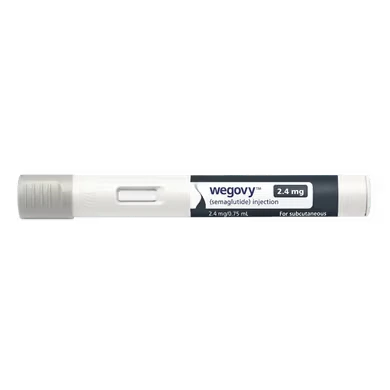
we've made the decision to remove Zepbound from coverage. Wegovy and Saxenda remain preferred. … All members, regardless of indication, will need to have tried and failed Wegovy before they can access tirzepatide.
CVS Caremark
Note what that actually says. Not never. It says try the preferred drug first, and if it fails, the other one becomes available. So the route through is a documented trial: what you took, for how long, at what dose, and what happened, whether that was inadequate response, intolerance or a contraindication.
The instrument is usually called a formulary exception rather than an appeal, and your prescriber files it. The distinction matters when you phone up, because asking for the wrong process gets you routed to the wrong queue.
Kind three: criteria not met
The most winnable of the three, and the one that most often fails on paperwork rather than on facts.
Reviewers check for documented things: a baseline weight and BMI recorded before treatment, a weight-related comorbidity named in the chart, and a period of lifestyle and dietary change with dates on it. A year of genuine effort that nobody wrote down does not exist for this purpose.
- If the BMI was wrong or stale, a current recorded measurement fixes it.
- If a comorbidity exists but was not stated, it needs to be in the notes, not just true.
- If the lifestyle requirement was the gap, ask your prescriber to document what you are doing from today. Three to six months is the usual bar, so starting the clock now is worth more than arguing about the past.
Ask for the criteria document. Your plan has one, it is written down, and it lists exactly what the reviewer looks for. Appealing without reading it is guessing.
Formularies do reverse
Worth knowing before you conclude the door is permanently shut. Caremark removed Zepbound from its commercial formularies in July 2025, and then:3
CVS Caremark will add Zepbound back to our commercial formularies as an additional preferred option October 1, 2026
CVS Health
Same drug, same benefit manager, opposite answers fourteen months apart. If you were denied in that window, check your plan's current formulary: the denial may have an expiry date, and is worth re-running rather than re-appealing. It is also a reason to re-check an old no generally, rather than treating it as settled.
The order to work in
- Establish which kind of no you got, in one call to member services. Everything else follows from it.
- Exclusion: stop appealing, ask HR about renewal, ask about alternative indications, and price the cash route.
- Step therapy: document the trial of the preferred drug and have your prescriber file a formulary exception.
- Criteria: get the criteria document, find the specific gap, and fix it with documentation rather than argument.
- Either way, note the date. Formularies change every year and some change mid-year.
Our coverage tracker carries the verified position for each insurer and benefit manager we have read, quoted from their own material with the date we read it, and the four gates explains the process from the top. If the denial was unmet criteria, the Wegovy and Zepbound letter templates lay out the documented items reviewers check, for your prescriber to fill in.
While you sort it out
The cash market is not a consolation prize, and for an excluded plan it is often the only honest comparison: