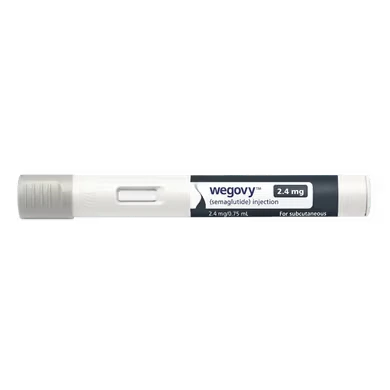



Semaglutide's side effects are gastrointestinal, and they belong to the molecule rather than to the brand on the box. Nausea, vomiting, diarrhoea and constipation, concentrated in the first weeks and for a few days after every dose increase. That is true of a Novo Nordisk pen and true of a compounding pharmacy's vial, because it is the same drug doing the same thing.
If you searched the molecule rather than a brand name, you are probably on a compounded version, because someone on the brand searches the brand. So this page is about the question that actually distinguishes your situation: not what semaglutide does, but what compounding changes.
General information, not medical advice. Your dose and any symptom are conversations with the clinician who prescribed this. We track prices; we do not practise medicine.
The part that is the same
The safety profile, quoted from the FDA prescribing information for Wegovy, the brand of semaglutide approved for weight management:1
WARNING: RISK OF THYROID C-CELL TUMORS
Concomitant use of WEGOVY (semaglutide) tablets or WEGOVY (semaglutide) injection with other semaglutide-containing products or with any other GLP-1 receptor agonist is not recommended.
Most common adverse reactions (incidence ≥5%) in adults or pediatric patients aged 12 years and older are: nausea, diarrhea, vomiting, constipation, abdominal pain, dysesthesia, headache, fatigue, dyspepsia, dizziness, abdominal distension, eructation, hypoglycemia in patients with type 2 diabetes, flatulence, gastroenteritis, gastroesophageal reflux disease, and hair loss.
People search for this as a cancer question, so to be explicit: the boxed warning concerns thyroid C-cell tumours, which is a cancer risk flagged on the label and weighed by your prescriber against your history, and a family history of thyroid cancer is something to volunteer. The boxed warning attaches to the molecule, not to the manufacturer. A compounded product containing semaglutide does not come with a lesser version of that risk because it came in a different container. And the label's line against combining GLP-1s matters more for compounded buyers, not less, because switching sellers and bridging supply gaps are exactly the situations where two overlap by accident.
The part that is not the same
Three real differences, and none of them is about the biology.
1. Nobody reviewed the finished product
An FDA-approved drug has been reviewed for safety, effectiveness and manufacturing quality. A compounded drug has not. That is the definition, not an accusation: compounding exists to make things approved products cannot cover, and it is legal and long-standing. But it means the assurance you get from an approval is not the assurance you have here, and the pharmacy's own licensing and practices are doing that work instead.
2. The regulatory ground has moved
This is the thing most pages on compounded semaglutide have not updated. The FDA's own words:2
Tirzepatide and semaglutide do not currently appear on the 503B bulks list or on FDA's drug shortage list. ... For a state-licensed pharmacy or physician compounding, dispensing or distributing semaglutide injection products under section 503A of the FD&C Act, the period of enforcement discretion (described below) has ended.
FDA, compounder policy update
And the FDA has proposed going further:3
The U.S. Food and Drug Administration today announced it is proposing to exclude semaglutide, tirzepatide, and liraglutide on the 503B bulks list, finding no clinical need for outsourcing facilities to compound these drugs from bulk substances.
FDA press announcement
We are not going to tell you what that means for your specific prescription, because that depends on your pharmacy's category and how it sources. We are telling you it is live, because a page written last year would not.
3. Dose measurement moves to you
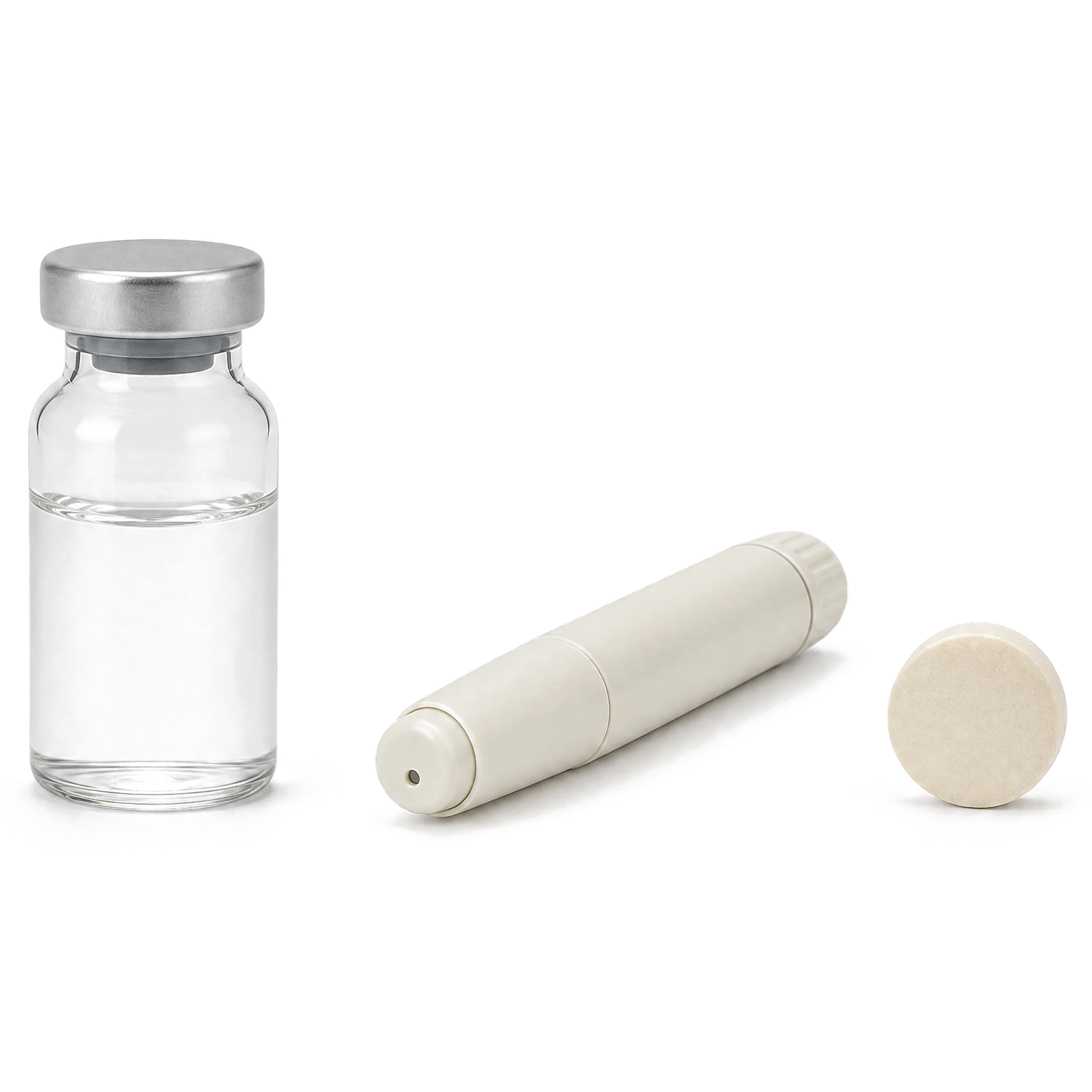
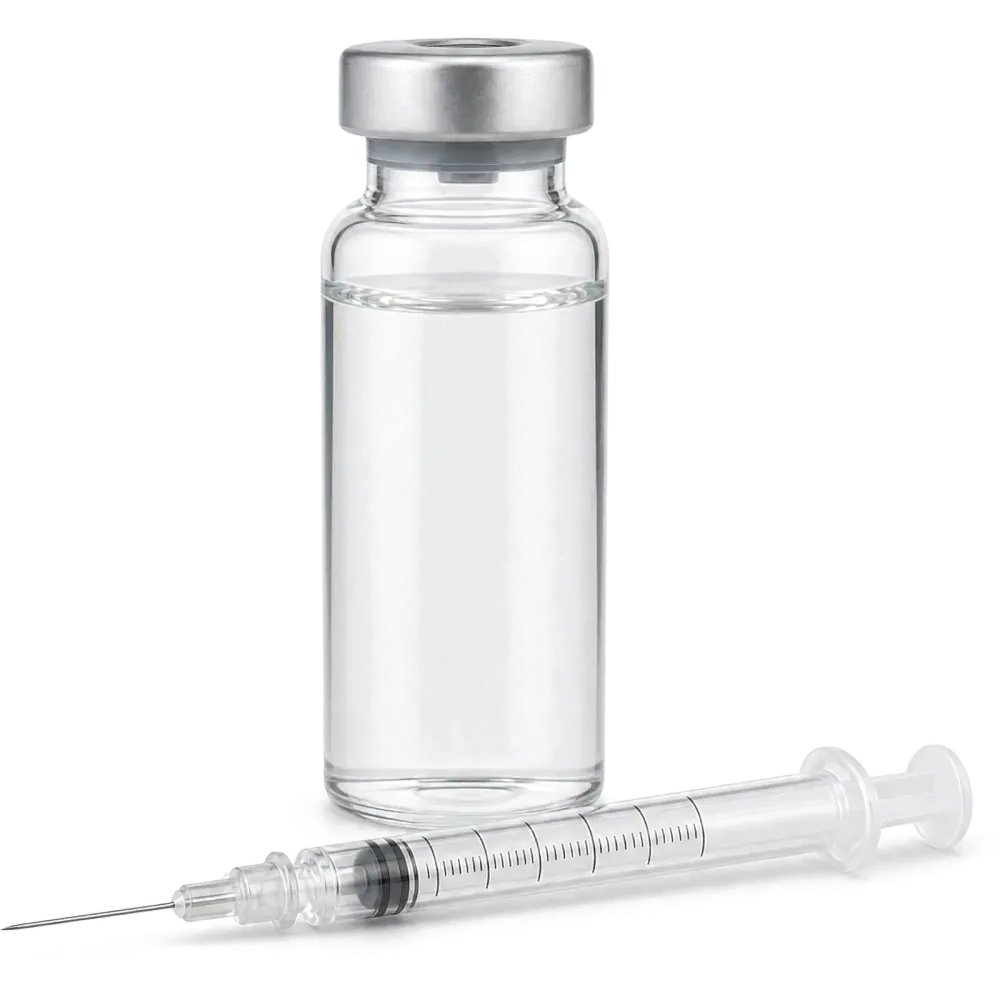
A brand pen is pre-set: you dial a strength. Where it goes and how is the same either way. Compounded semaglutide usually arrives as a vial and a syringe, sometimes dosed in units rather than milligrams. That is a different task, and it is one being handed to a person at home rather than performed by a device.
This is the practical difference nobody mentions when comparing prices. Ask how your program doses: a pre-filled pen, a vial with a syringe, or units on a scale. Then ask who shows you how.
What to ask before you ask the price
We rank on price and say so on every page. This is the short list of things that should come before it:
- Which pharmacy makes it, by name, and where is it licensed? A named, state-licensed US pharmacy is a checkable answer. "Our partner pharmacy" is not.
- How is it dosed? Pen, vial and syringe, or units. See above.
- Is there a real clinician, and can I reach them when week three is bad?
- What are the pause and refund terms? Most people who quit, quit during titration, with a plan already paid for.
- Then the price.
That ranking is by price, because that is what this site does and pretending otherwise would be worse. The rest of the questions are answered on each seller's own page, one click from every row, and the cheapest option is not automatically the one that answers them best.
Where the brand sits on cost
Worth knowing before you assume compounded is the only affordable route, because it has changed recently:
The gap between a brand pen and the cheapest compounded program is real but narrower than it was, and on the brand the price does not climb as your dose does.
The honest summary
The nausea is the molecule's and it does not care who made your vial. Everything else, the oversight, the sourcing, the syringe, is what you are actually choosing between when you choose a compounded program over a brand one. The prices on this site are real and verified. They are also not the only thing worth comparing, and on this particular drug we would rather say so than sell you the cheapest row.