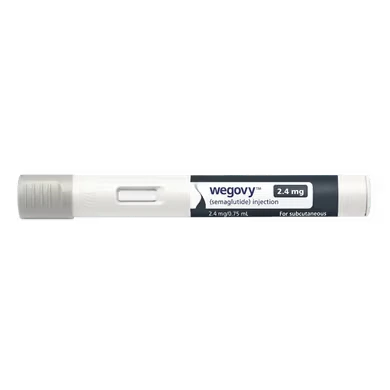


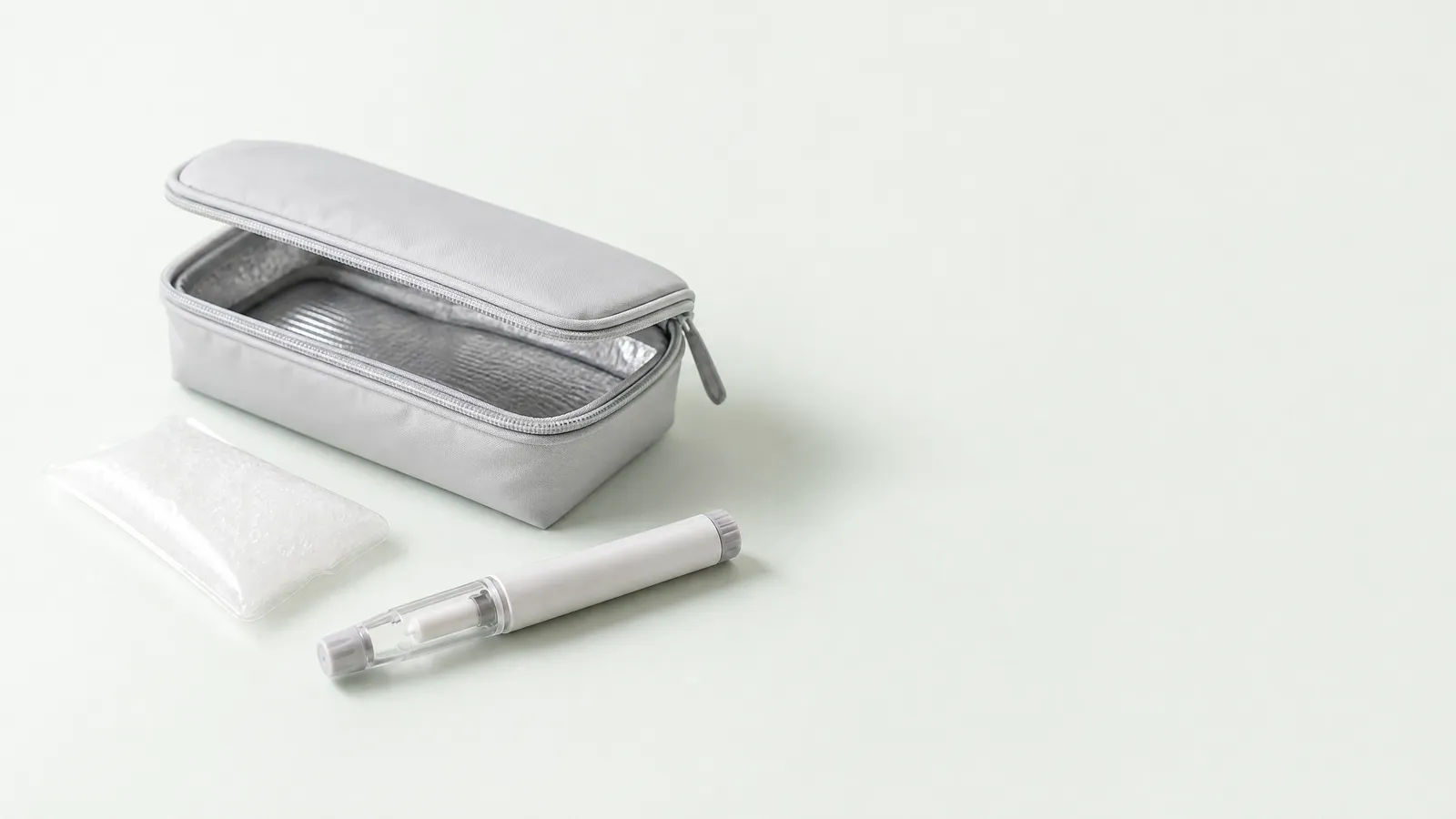
Abdomen, thigh or upper arm, rotating sites with each dose. That is the answer for every weekly GLP-1, and it comes from the labels rather than from us.
There is one difference between them that almost nobody publishes, and it is about the arm. We will get to it.
We track prices. Everything below is quoted from the FDA-approved labelling, and it does not replace the Instructions for Use in your box or the person who prescribed this. If you have not been shown how to do this by a clinician or a pharmacist, ask before your first dose rather than after it.
What the labels actually say
For Wegovy:1
Inject WEGOVY subcutaneously in the abdomen, thigh, or upper arm. The time of day and the injection site can be changed without the need for a dosage modification. Rotate injection sites with each dose.
FDA label for Wegovy, via DailyMed
For Zepbound:2
Inject ZEPBOUND subcutaneously in the abdomen, thigh, or another person should inject in the back of the upper arm. Rotate injection sites with each dose.
FDA label for Zepbound, via DailyMed
Read those twice, because they are not the same sentence.
The arm is where they differ
Wegovy's dosing section lists the upper arm alongside the abdomen and thigh, with no qualifier, and so do the instructions for the Wegovy pen. Zepbound's label puts the back of the upper arm in a different category: it says another person should inject there.
One exception inside the Wegovy label, as it reads in October 2026: the Instructions for Use for the single-dose prefilled syringe, a different device from the pen, list the "back of upper arm (only with help from someone else)".1 So the device matters as well as the molecule.
Both labels agree on the abdomen and the thigh, which are the two places you can comfortably reach and see. Where they part company is the back of your own arm, which you can do neither of.
We will not read anything into that beyond what it says, because we are not qualified to. What we will say is that if you have been injecting your own arm because a page listed three sites without reading which drug it was describing, that is worth raising with your prescriber.
What about Ozempic and Mounjaro?
Same molecules, same sites. Ozempic is semaglutide, so it follows the semaglutide pattern above: abdomen, thigh or upper arm. Mounjaro is tirzepatide, so it follows the tirzepatide pattern, including the part about the back of the upper arm being injected by someone else.
The brand on your box tells you which of the two labels applies. Semaglutide is Ozempic and Wegovy. Tirzepatide is Mounjaro and Zepbound. The site instructions travel with the molecule, not with the indication.
Always read the Instructions for Use that came with your device, because pens differ in handling even when the injection site does not.
Rotating, and the timing
Both labels say to rotate sites with each dose, in the same words. Both are once weekly. On timing:1
Administer WEGOVY injection once weekly, on the same day each week, at any time of day, with or without meals.
Zepbound's wording is nearly identical, minus the "same day each week" phrasing.2 Neither requires an empty stomach, a particular time, or any of the ritual that circulates in forums.
Do not share a pen
Worth stating on its own because it gets ignored, and because the reason is not obvious. The Wegovy label, on the multi-dose FlexTouch pen:3
WEGOVY FlexTouch must never be shared between patients, even if the needle is changed. Pen-sharing poses a risk for transmission of blood-borne pathogens.
Even with a fresh needle. A pen is not made safe by changing the needle, which is the assumption that leads people to share one.
How it is actually done
The steps are not ours to write. Two videos instead, and the choice of who filmed them was deliberate.
That is the general technique, taught by a nursing educator, and it is the same skill used for insulin. For the pen specifically:
If you are on a compounded vial, this is a different job
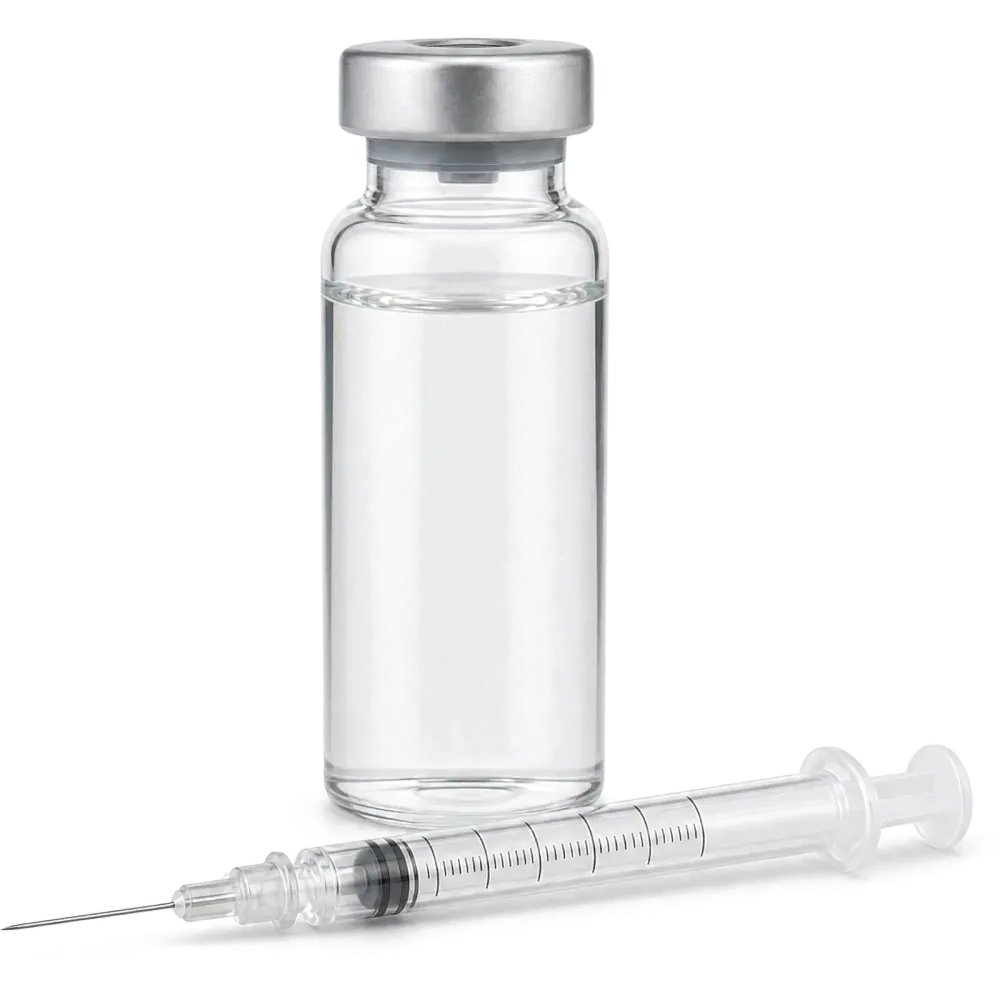
A pen is pre-set: you dial a dose and the device measures it. Most compounded semaglutide and tirzepatide arrives as a vial and a syringe, sometimes marked in units rather than milligrams, which means you are measuring the dose as well as giving it.
Here is something we noticed while looking for a video to put in this section, and it is worth telling you rather than quietly leaving the section empty.
For the pen, instruction exists from institutions: the video above is from a hospital system with no product to sell you. Search for how to draw up a compounded dose from a vial and essentially every result is filmed by a clinic that sells the vial. That is not an accusation of anything. It is a statement about who has bothered to teach it, and it means that if you are on a compounded program, the person teaching you to dose it is almost certainly the person selling it to you.
So we are not embedding one. Ask your program to show you, in a live conversation with a named clinician, and treat the availability of that as part of what you are buying. It is one of the things worth checking before you pay.
What that is worth paying for
This is the part that belongs on a price tracker. When you compare programs, the things that decide whether the injection goes well are not on the price tag:
- Pen or vial? Determines whether you are measuring a dose at your kitchen table.
- Are supplies included? Needles, syringes, alcohol swabs and a sharps container. Some programs include them, some do not, and it is rarely on the pricing page.
- Is there a clinician you can reach the first time you do it?
The short version
Abdomen, thigh, upper arm. Rotate every dose. Once a week, any time, food or no food. If you are on tirzepatide, the label wants someone else doing your arm. Do not share a pen even with a new needle. And if you are on a vial rather than a pen, make sure a real clinician has watched you do it once.