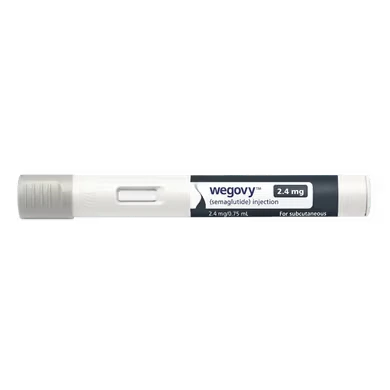


“Ozempic butt” is not a side effect of Ozempic. It is the name given to loss of volume and loose skin around the buttocks after losing a lot of weight quickly, and it happens the same way after bariatric surgery or a hard diet. The drug is not doing something to that part of you. Losing the fat is.
That is the whole answer. The rest of this page is why, and what actually changes it.
Why it happens
Body fat is not lost selectively. When you lose it you lose it everywhere, including the places that were doing structural work, and the buttocks are substantially fat sitting over muscle. Take the fat away quickly and two things show: less volume, and skin that has not had time to retract around the new shape.
How noticeable that is comes down to how much you lost, how fast, and your skin's elasticity, which declines with age. None of those variables is the brand on the box.
It is not in the label
Loss of fat from any particular area is not listed as an adverse reaction. What the FDA prescribing information does list is short:1
WARNING: RISK OF THYROID C-CELL TUMORS
The most common adverse reactions reported in ≥5% of patients treated with OZEMPIC are: nausea, vomiting, diarrhea, abdominal pain and constipation.
If you are worried about the boxed warning, that is a conversation with a prescriber and a genuinely good reason to have one. Changes in body shape from weight loss are not in the same category and should not be read as a warning sign.
What actually changes it
Two levers, the same two as with the face.
How fast you lose. Set by dose, by how quickly you climb the ladder, and by what you eat. All prescriber conversations. A slower rate is a reasonable thing to ask for and, on brand pricing, does not cost more.
Whether you can stay on. This is ours. The worst pattern for skin is not steady loss, it is losing, stopping, regaining and losing again, which asks the skin to keep accommodating a changing shape. And the most common reason people stop is the bill.
A program you can still afford in month twelve is a different proposition from one you abandon in month four, and the spread between the cheapest verified program and the dearest is wide enough to decide which of those you are signing up for.
What people ask about next
Resistance training gets recommended constantly for this, and the reasoning is intuitive: muscle under the skin is volume that is not fat. Whether it helps you specifically, and what to do, is a question for a clinician or a qualified trainer rather than a price tracker, and dressing an opinion up as guidance would help nobody.
What we will say, because it applies here as it does to the face: there is no cream, supplement or targeted exercise with credible evidence of restoring lost fat volume in one area. Anything promising that is selling something.