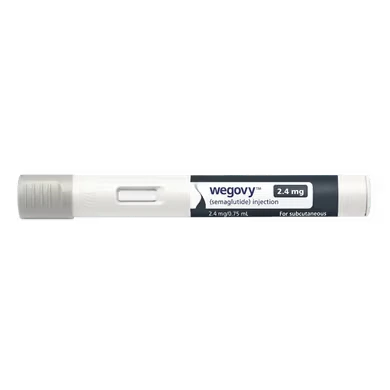


Most people who search for how to get Mounjaro want it for weight, and the first thing to know is that Lilly, which makes it, says in bold on its own website: "Mounjaro is not a weight loss drug."1 It is tirzepatide, the same molecule that loses more weight than any other GLP-1, in a box approved for type 2 diabetes. So there are two routes to this drug, and they are not the same route.
Route one: you have type 2 diabetes
This is the route the drug was built for, and it is straightforward.
Qualifying. Mounjaro is approved "along with diet and exercise to improve blood sugar (glucose) in adults and children 10 years of age and older with type 2 diabetes mellitus", and to reduce cardiovascular risk in diabetic adults at high risk.1 A diagnosis of type 2 diabetes is the criterion. There is no BMI threshold.
Prescribing. Any licensed prescriber, and for diabetes the natural one is whoever manages your diabetes, because they hold the A1C history that a prior authorisation will ask for. Telehealth prescribers can write it too, though a diabetes prescription benefits from continuity in a way a weight one does not.
Paying. Mounjaro is one of the most widely covered drugs in the country for diabetes. With a commercial plan that covers it, Lilly's card applies: "Eligible, commercially insured patients with Mounjaro coverage can pay as little as $25 for up to a 3-month prescription".1 Government plans are excluded from the card but Medicare and Medicaid plans commonly cover Mounjaro for diabetes at their own copay. Prior authorisation is common and usually turns on the diagnosis and the A1C.
The Mounjaro savings card guide covers the programme's caps, which are different from Zepbound's.
Route two: you want it for weight
Here the box works against you at every step, and it is better to know that before you start.
Prescribing. A prescriber can write Mounjaro off-label for weight. It is legal and it happens. But it is the same molecule as Zepbound, which is approved for weight, so a prescriber who wants to help you lose weight with tirzepatide has an on-label option and will usually take it.
Insurance. Refused, essentially everywhere. Plans cover Mounjaro under its diabetes listing, and a prescription for weight does not match it. Here is where eight insurers stand:
Which one fits you
The lowest price, full stop
cheapest all-in program we track at $69/mo
chosen from 22 qualifying programs · full breakdown · is it legit?
Tirzepatide specifically
cheapest verified tirzepatide at $85/mo
chosen from 16 qualifying programs · full breakdown · is it legit?
A pill, not an injection
cheapest oral option at $147/mo
chosen from 4 qualifying programs · full breakdown · is it legit?
FDA-approved brand medication
cheapest branded drug we track at $208/mo, which is the only route that is FDA-approved
chosen from 2 qualifying programs · full breakdown · is it legit?
Your plan billed for you
cheapest program that will bill your insurance, from $158/mo
chosen from 4 qualifying programs · full breakdown · is it legit?
No membership fee at all
$69/mo with nothing added on top
chosen from 19 qualifying programs · full breakdown · is it legit?
The strongest review record
4.8 out of 5 across 5,340 published reviews, from $199/mo
chosen from 9 qualifying programs · full breakdown · is it legit?
Third-party certification you can check
LegitScript certified and verifiable independently, from $75/mo
chosen from 2 qualifying programs · full breakdown · is it legit?
Every row is computed from today’s verified prices. Nobody picks the winners, and no program can pay to appear here.
Every one says no to Mounjaro for weight loss. The Zepbound column is where the maybes are.
Cash. Lilly sells Zepbound direct to cash patients at $299 to $699 a month by dose.3 For Mounjaro it publishes a list price, "$1,112.16 per fill",2 and LillyDirect lists every strength at "Self-pay price: Starting at $499/month".4 The same tirzepatide at the same six doses: Zepbound is cheaper to start, and Mounjaro's flat $499 is below Zepbound's regular $699 from 10 mg.
If you are paying cash for tirzepatide and the reason is weight, Mounjaro is the off-label box: ask your prescriber about Zepbound, which is approved for weight and starts at $299. The Zepbound guide is the page for the rest of your route, and Zepbound vs Mounjaro sets out why one company sells one drug under two names.
The third route: compounded tirzepatide
Because Mounjaro is tirzepatide, the cheap route is tirzepatide too, sold compounded by licensed pharmacies through telehealth programs without FDA approval of the finished product. That trade is set out in is compounded semaglutide safe, which applies equally to tirzepatide. Prices read from each seller's own page:
What Mounjaro does for weight anyway
Since it is the reason most people are here: Lilly's diabetes trials report weight loss in adults "ranged from 12 lb (5 mg) to 25 lb (15 mg)".1 People with type 2 diabetes lose less on these drugs than people without it; the same molecule in non-diabetic adults produced 20.2% of body weight in the only head-to-head, in tirzepatide vs semaglutide. If you have diabetes and get Mounjaro for it, the weight loss comes with the prescription. If you do not, it is the wrong box.
The honest summary
With type 2 diabetes, getting Mounjaro is a normal prescription: any prescriber, wide coverage, $25 with the card. Without it, Mounjaro is the hard way to get tirzepatide: off-label, uncovered, and with no published cash price. The easy way to the same drug for weight is called Zepbound, and the cheap way is compounded, and this page exists mostly to send you to one of those two.


