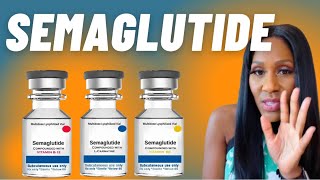
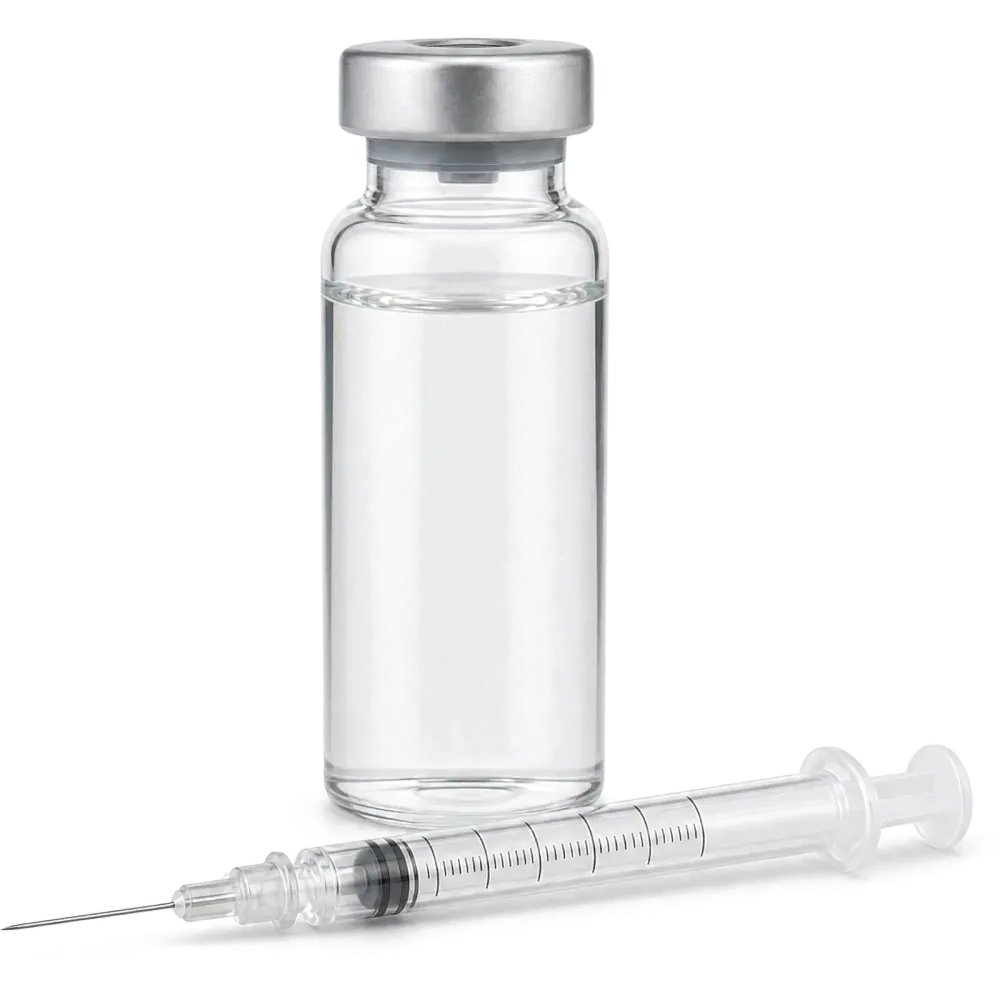
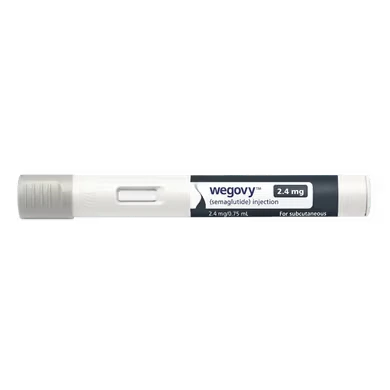



Both sides of this argument are selling something, so this page quotes the referee. Novo's line is that "Only Novo Nordisk manufactures FDA-approved semaglutide medicines".5 The telehealth industry's line is that it is the same molecule. Both are true, and neither answers the question. FDA has published exactly what concerns it about compounded GLP-1s, and the list is specific enough to act on. Here it is, item by item.
What "not FDA-approved" means, precisely
It does not mean illegal. Compounding is a lawful practice, and a licensed pharmacy may compound semaglutide for a patient with a prescription. What it means is narrower and worth stating in FDA's words: "unapproved versions do not undergo FDA's review for safety, effectiveness and quality before they are marketed".1 Wegovy went through that review; the vial from a compounding pharmacy did not, and nobody at FDA has examined that specific preparation.
FDA's position on when that is acceptable is also on the record, and it is stricter than the industry's: "Compounded drugs should only be used in patients whose medical needs cannot be met by an FDA-approved drug", or when "the FDA-approved drug is not commercially available".1 Price is not on that list. FDA does not consider "I cannot afford Wegovy" a medical need, and it is honest to say so, because that is the reason almost everyone on this site is buying compounded.
So the true position is: lawful, same molecule, unreviewed, and used mostly for a reason FDA does not endorse. That is not a reason not to do it. It is the thing you are actually deciding.
Two kinds of compounder, and it matters which
FDA's own explainer draws a line most telehealth sites do not.4
| 503A pharmacy | 503B outsourcing facility | |
|---|---|---|
| Overseen by | state boards of pharmacy | FDA, "inspected by FDA according to a risk-based schedule" |
| Manufacturing standard | not subject to CGMP | "subject to current good manufacturing practice (CGMP) requirements" |
| Makes drugs | per patient, per prescription | in batches, to a manufacturing standard |
Neither is FDA-approved. But a 503B facility is FDA-inspected and held to the same manufacturing rules as a drug factory, and a 503A pharmacy is not. When a seller says its medication comes from an "FDA-registered" or "FDA-inspected" facility, this is the distinction it is pointing at, and it is worth asking a seller which kind it uses. Our seller check includes it.
FDA's concerns, itemised
This is the useful part. FDA's page on compounded GLP-1s does not say the molecule is wrong. It lists four practical failures it has received reports of.
1. Dosing errors from vials
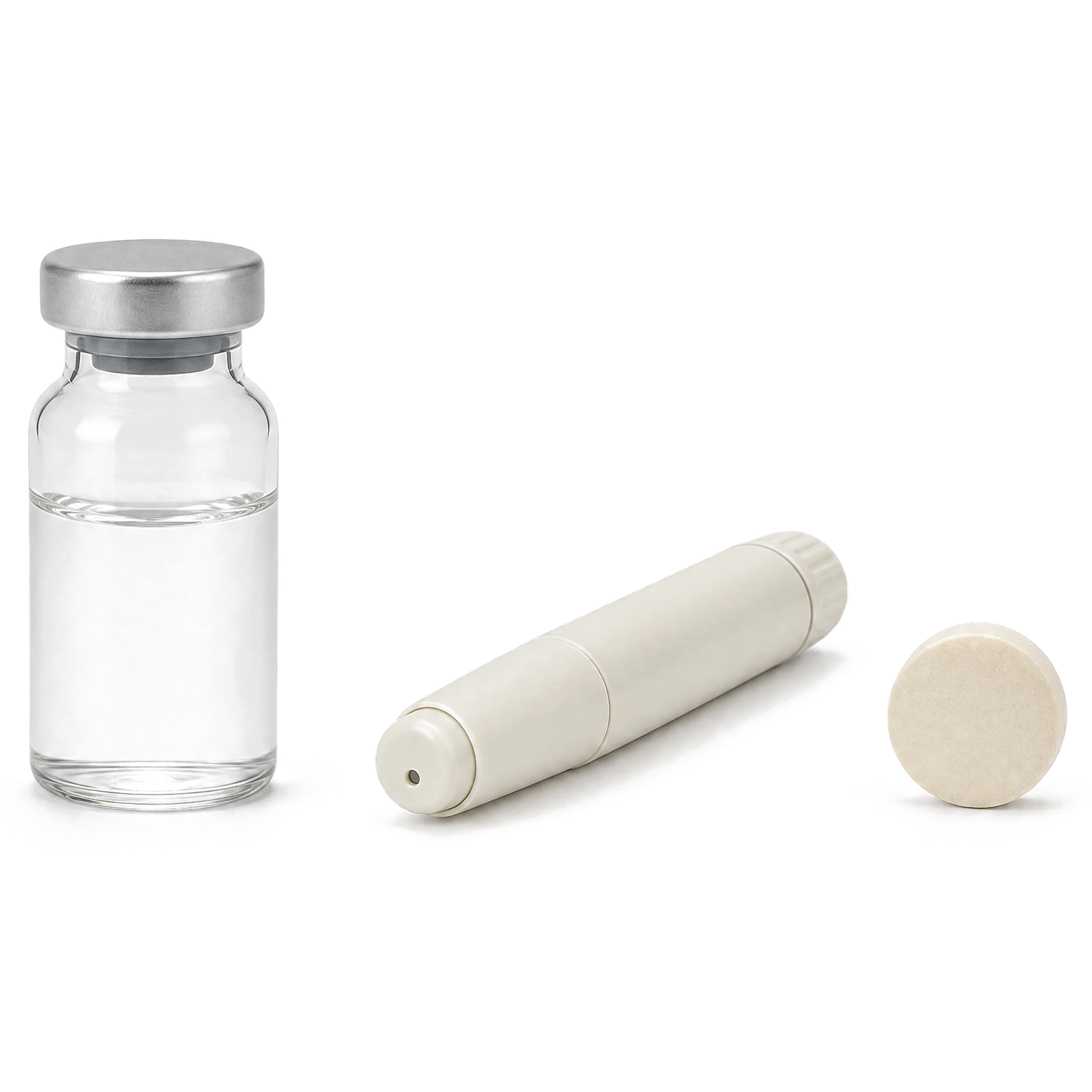
Branded semaglutide comes in a pen that delivers a fixed dose. Compounded semaglutide usually comes in a vial you draw from with a syringe, measured in units, and this is where FDA has "received multiple reports of adverse events, some requiring hospitalization, that may be related to dosing errors ... These dosing errors resulted from patients measuring and self-administering incorrect doses of the drug, and in some cases, health care professionals miscalculating doses".2 A tenfold error is one decimal place on a syringe.
What to do: get the dose in milligrams and in units, in writing, from the prescriber, and confirm the vial's concentration matches the instructions before the first injection. If the seller cannot tell you the concentration in mg per mL, that is a reason to stop.
2. Doses beyond the label
FDA has also received reports "related to patients prescribed compounded semaglutide or tirzepatide products in doses beyond what is in the FDA-approved drug label", meaning more per dose, more often, or climbing faster.2 The symptoms it lists are the gut effects, severe enough to seek care. There is no reason a compounded product should escalate faster than Wegovy's label, and a program that does is trading your stomach for its retention numbers.
What to do: compare the program's schedule to the semaglutide dose ladder. Four weeks per step is the label. Faster is not a feature.
3. Fraudulent products
FDA is aware of "fraudulent compounded semaglutide and tirzepatide marketed in the U.S. that contain false information on the product label", including labels naming pharmacies that "do not exist" and labels naming "a licensed pharmacy that ... did not compound these products".3 This is the one concern that is about the drug itself: if the pharmacy on the label did not make it, nobody knows what is in the vial.
What to do: the label names a pharmacy. Look that pharmacy up in its state board's licence register, and if the seller will not say which pharmacy fills its prescriptions before you pay, do not pay.
4. Warm shipping
Semaglutide is refrigerated. FDA "has received complaints that certain compounded GLP-1 drugs have arrived warm or with inadequate ice packs", and its advice is not to use "any injectable GLP-1 drug that arrives warm or with insufficient refrigeration".3
What to do: if it arrives warm, it arrived spoiled. A reputable program replaces it without argument.
5. The 28-day rule
Multi-dose vials are the norm in compounding, and some compounders label them as usable for longer than FDA thinks is safe. FDA's instruction overrides the label: "Discard the vial within 28 days after the first use, even if medication remains in the vial. Do not continue using medication from the vial after 28 days, even if instructions from the compounder say the medication can be used for longer than 28 days."3 Sterile drugs contaminate after repeated needle entry, and 28 days is the line.
What FDA does not say
It does not say compounded semaglutide does not work. Same molecule, same receptor, and the trial evidence for the molecule applies at the same dose. It does not say the side effects differ; they are the drug's, not the maker's, and the label percentages in the side-effect guide are the honest expectation for either. And it does not say the products from licensed pharmacies are generally contaminated or mislabelled; its concern is that it has not checked, and that some sellers have exploited that.
The picture that leaves is precise: the molecule is the same, the process is unreviewed, and every documented harm on FDA's list comes from a step between the pharmacy and your arm. Which pharmacy, what dose, how it shipped, how long the vial has been open. Those are all things a buyer can check.
What it costs, and why people take the trade
Here is the reason the question exists, from every seller we track, verified on their own pages today:
From $69 a month against Novo's $349 pen and $149 tablet. For most people paying cash that gap, $2,400 to $3,400 a year, is the whole decision, and it is a reasonable one to make with eyes open. The seller check that makes it reasonable takes about ten minutes and is in how to check a GLP-1 seller; every verdict on our seller pages applies it.
The honest summary
Compounded semaglutide is as safe as the pharmacy that made it and the dose you were told to draw, and FDA's published concerns are a checklist for exactly those two things. It is not what FDA would choose for you, and it is what most cash buyers choose anyway, for a difference of several thousand dollars a year. If you take the trade, take it from a named, licensed pharmacy, at the label's dose, on the label's schedule, refrigerated, and throw the vial away at 28 days.