
The number people want is $299, and it is real, and it is the price of the first month. Zepbound is priced by dose, the dose climbs by design, and the doses that do the work are more than twice that. This page prices the whole ladder, because a monthly figure that ignores the ladder is not a cost, it is a teaser.
Lilly's self-pay prices, every dose
Since 2024 Lilly has sold Zepbound directly to people paying cash, first as a vial and now also as a multi-dose KwikPen, at prices it publishes:1
| Dose | Per month, self-pay | Role in the ladder |
|---|---|---|
| 2.5 mg | $299 | starting dose only, four weeks |
| 5 mg | $399 | first maintenance dose |
| 7.5 mg | $499 | $449 with on-time refills |
| 10 mg | $699 | the trial doses start here; $449 with on-time refills |
| 12.5 mg | $699 | $449 with on-time refills |
| 15 mg | $699 | maximum; $449 with on-time refills |
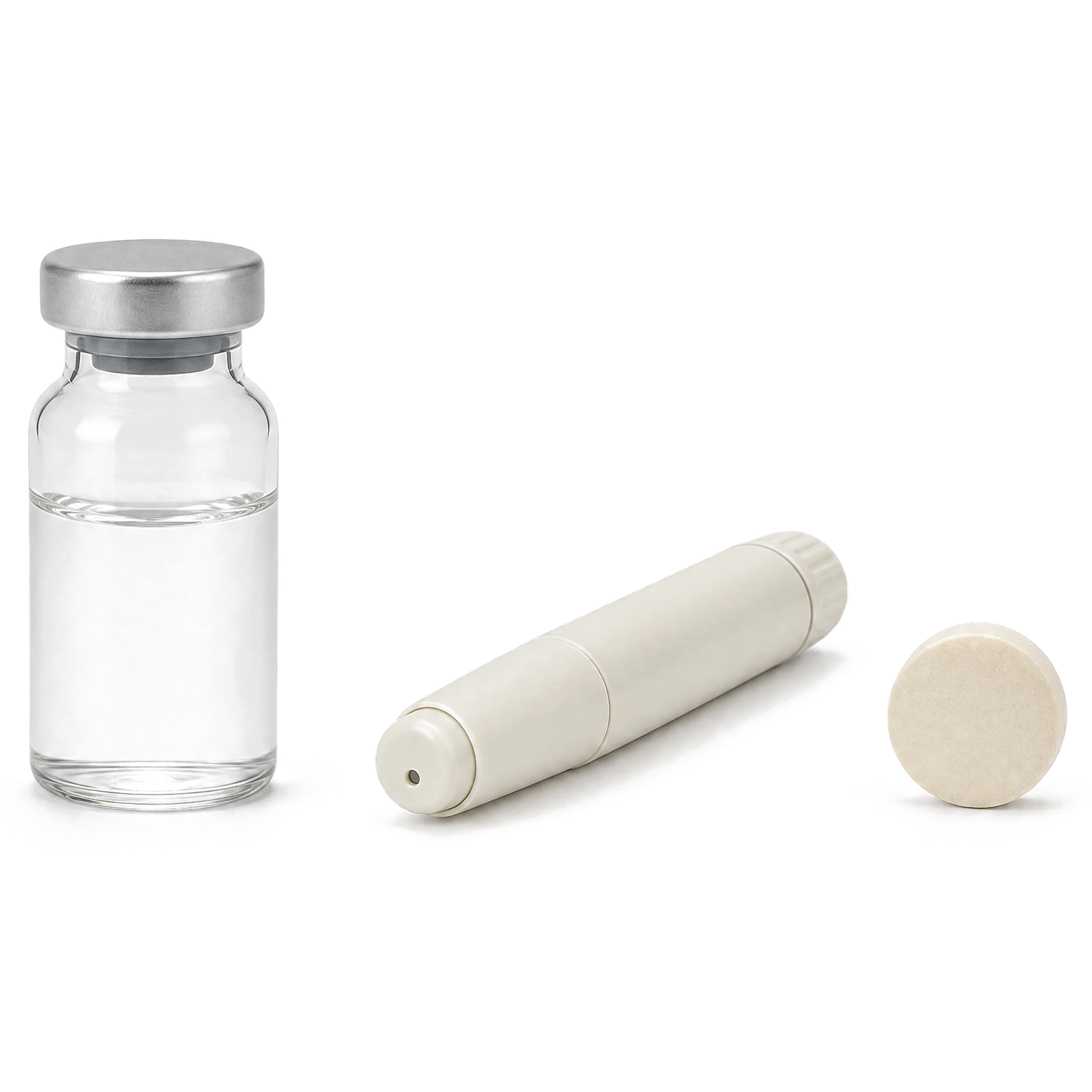
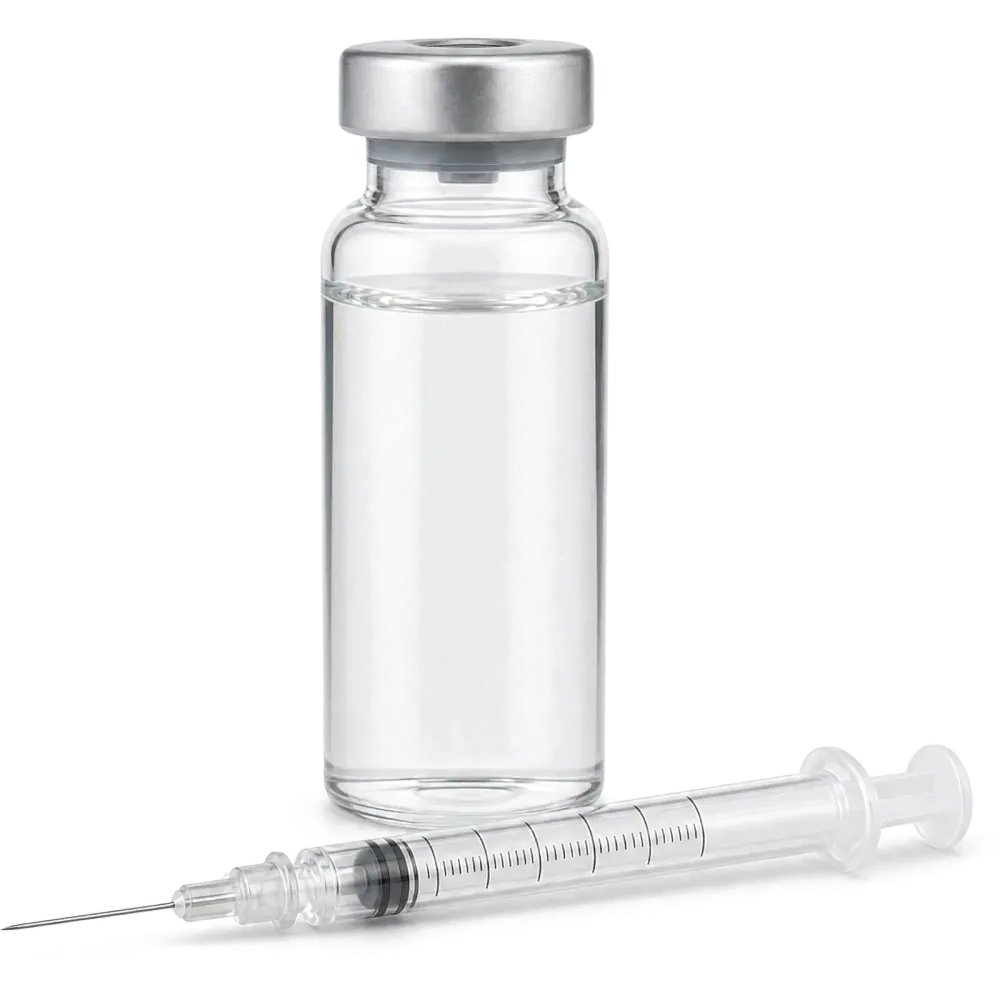
A month is 28 days, four weekly doses. The vial comes as a four-count carton of single-dose vials; the KwikPen holds four doses in one pen.3 Both cost the same at the same strength, at the regular price and under the refill offer.
From 7.5 mg up there is one more price. Lilly's terms read: "Pay $449 for each 1-month supply of the 7.5 mg, 10 mg, 12.5 mg, and 15 mg Zepbound® single-dose vial or Zepbound® KwikPen® for single-patient-use." It keeps that price on one condition: "you must complete your refill purchase of the Zepbound single-dose vial or KwikPen within 45 days of the delivery/received date of your previous Zepbound single-dose vial or KwikPen prescription."6 The offer covers the vial as well as the KwikPen. Refill on time and the top of the ladder is $449, not $699.
Why $299 is not your monthly cost
Lilly says it plainly on its own site: "2.5 mg is the starting dose and is not an approved maintenance dose."4 The label puts you on 2.5 mg for four weeks, then 5 mg, then upward in 2.5 mg steps every four weeks as tolerated, to whichever dose you settle at.3 Most people do not settle at 5 mg. The head-to-head trial that produced Zepbound's 20.2% result ran everyone up to 10 or 15 mg.5 Those are the $449 rungs if you refill on time, and $699 if you do not.
So the honest cost of Zepbound without insurance is a year, not a month. Lilly defines a month as "28-days",2 so 52 weeks of doses is 13 fills, and the table counts 13:
| Scenario | Year one, refilled on time | Year one, regular price | Each year after (on time / regular) |
|---|---|---|---|
| Climb to 5 mg and hold | $299 + 12 × $399 = $5,087 | $5,087 | $5,187 / $5,187 |
| Climb to 7.5 mg and hold | $299 + $399 + 11 × $449 = $5,637 | $299 + $399 + 11 × $499 = $6,187 | $5,837 / $6,487 |
| Climb to 10 mg and hold | $299 + $399 + 11 × $449 = $5,637 | $299 + $399 + $499 + 10 × $699 = $8,187 | $5,837 / $9,087 |
| Climb to 15 mg and hold | $299 + $399 + 11 × $449 = $5,637 | $299 + $399 + $499 + 10 × $699 = $8,187 | $5,837 / $9,087 |
Read the last two rows together. Once you pass 7.5 mg the price stops climbing, so 10, 12.5 and 15 mg cost the same. The expensive decision is whether you go above 7.5 mg at all, and the trial evidence says that is where the results are. Budget for $449 only if you will refill within 45 days every time; otherwise budget for $699.
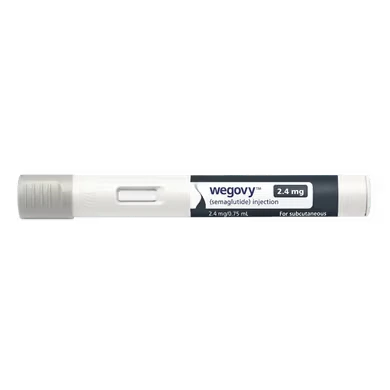
The Zepbound page keeps the ladder and its prices current, and the Wegovy dosing chart shows the alternative shape, where Novo's pen price stays flat as the dose rises.
Vial or KwikPen
The self-pay programme started with vials only, and "Zepbound vial" is still what many people search for. The difference is now purely mechanical: the vial needs a separate syringe and you draw the dose yourself; the KwikPen is a multi-dose pen with four fixed doses, dialled and injected like the single-dose pens that go through insurance. Same drug, same strengths, same price. Lilly lists both under self-pay at every dose.1
The single-dose pen, the one most people picture, is the insurance product. It is the form the $25 savings card applies to, and it is not sold at the self-pay prices above.
The savings card does not apply to you
This is the mistake that costs uninsured people a wasted phone call. The Zepbound Savings Card, the "as low as $25" one, requires "commercial drug insurance with coverage for Zepbound", and it excludes government beneficiaries.2 No insurance means no card. The self-pay prices above are the entirety of what Lilly offers a cash patient, and there is no coupon that sits on top of them.
The one route Lilly does offer the uninsured beyond self-pay is patient assistance through the Lilly Cares Foundation, which is income-tested and excludes people on Medicaid or VA benefits. It is slow and it requires your prescriber, and it is worth asking about before committing to $9,000 a year. The general uninsured guide covers how that works.
The cheaper route: compounded tirzepatide
Zepbound's molecule, tirzepatide, is also sold compounded by licensed pharmacies through telehealth programs. It is the same active ingredient at a fraction of the price, and it is not FDA-approved: the finished product has not been reviewed for safety, effectiveness or manufacturing quality, and the pharmacy's own licensing carries that weight. That trade is real and it is yours to make. Here is what it costs today, from every seller we track, each price read from the seller's own page:
From $85 a month against Lilly's $299 starting tier and $449 to $699 maintenance tier. Over a year at maintenance that is roughly $1,000 against $5,800 to $9,100. Before choosing that route, check the seller in ten minutes; the price gap is large enough to attract bad actors as well as good pharmacies.
Tirzepatide without insurance, under every name it is sold
Zepbound is one of three ways to buy tirzepatide for cash, and the name on the box changes the price more than the dose does. Lilly sells the same molecule as Mounjaro, and licensed pharmacies compound it. Here is each route as its seller publishes it:
| Route | Paying cash, per month | Source |
|---|---|---|
| Zepbound, Lilly self-pay | $299 at 2.5 mg, $399 at 5 mg, $449 from 7.5 mg on time (vial or KwikPen), $499 to $699 otherwise | Lilly16 |
| Mounjaro, LillyDirect self-pay | "Starting at $499/month" printed against every strength, 2.5 mg to 15 mg | LillyDirect8 |
| Mounjaro at a pharmacy, no programme | list price of $1,112.16 per fill | Lilly7 |
| Compounded tirzepatide | from $85, not FDA-approved | each seller's own page, on the board above |
Two things follow. At 2.5 mg and 5 mg, Lilly prices Zepbound below Mounjaro's self-pay floor, so a cash buyer who only has a Mounjaro prescription should ask the prescriber whether a Zepbound prescription fits; that is their call, made on the label each drug carries, not ours. And Mounjaro's $1,112.16 is the figure that frightens people, but Lilly's own page tells the uninsured they "may be eligible for self-pay savings options" instead.7 Nobody paying cash needs to pay list. The Zepbound and Mounjaro comparison sets out how the two labels differ, and the Mounjaro cost guide covers its $25 card for people with diabetes coverage.
Cash versus a plan that covers it
If you have commercial insurance, the first thing to find out is whether it covers Zepbound at all, because that changes the answer from $449 or $699 to $25. It is plan-specific, and it is often refused. The coverage sheets quote eight insurers' own documents on Zepbound; the pattern is that most say it depends on the plan and require prior authorisation, TRICARE covers it, and Humana does not. If yours refuses, the appeal guide is the next step, and self-pay is the fallback while you wait.
Where that leaves you
- Uninsured, want the branded product: Lilly self-pay, $299 the first month, then $399, then $449 a month on the vial or KwikPen if every refill lands within 45 days ($499 and $699 otherwise).
- Uninsured, want tirzepatide at a price you can sustain: compounded, from $85 a month on the board above, with the FDA-approval trade-off stated plainly.
- Uninsured and low-income: ask your prescriber about Lilly Cares before paying cash.
- Insured but denied: appeal, and use self-pay or compounded as the bridge, not the retail list price.
The honest summary
Zepbound without insurance is $299 for one month and about $9,100 a year at the doses that produce the results it is famous for. Lilly's programme is a genuine improvement on a list price of up to $1,086 per fill, and it is the only branded route for the uninsured, because the $25 card is not for you. The alternative is the same molecule, compounded, from $85 a month, with the loss of FDA review as the price of the discount.


