


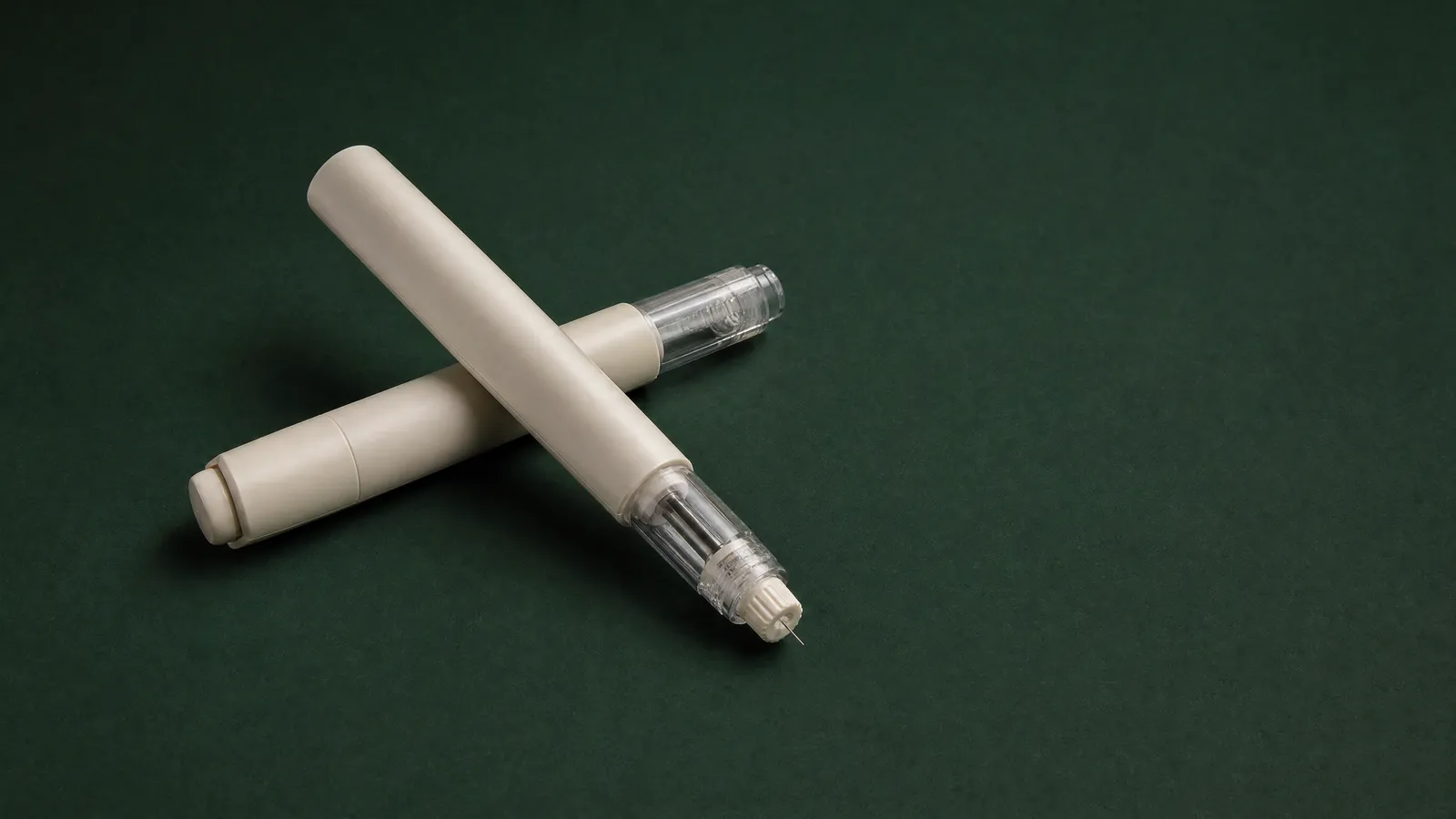
Start with an uncomfortable question: is this your decision?
Plenty of people arrive at this switch because a letter told them to. In July 2025 CVS Caremark, which runs the formulary for Aetna among others, told members:1
As of July 1, 2025, Wegovy will be the preferred formulary option for obesity treatment. … All members, regardless of indication, will need to have tried and failed Wegovy before they can access tirzepatide.
CVS Caremark
Then, fourteen months later:2
CVS Caremark will add Zepbound back to our commercial formularies as an additional preferred option October 1, 2026
CVS Health
Same benefit manager, opposite instructions, inside fourteen months. If you are on Caremark and considering the switch to Zepbound, check your plan's formulary before fighting for an exception: Caremark said Zepbound would return as a preferred option on 1 October 2026, and on a plan that adopted that update the exception may no longer be needed. Adoption varies by plan, so confirm yours rather than assuming.
What your plan asks for when you switch
Moving to a brand your formulary does not prefer needs a documented trial of the one it does. The Federal Employee Program puts the requirement plainly:3
Patient MUST have tried the preferred product(s) … unless the patient has a valid medical exception
BCBS Federal Employee Program
What "tried" means in practice is four specifics in your chart, and vagueness here is what sinks these requests:
- Which drug, by brand name.
- For how long, with dates.
- At what dose, including whether you reached a maintenance dose or stopped during titration.
- What happened: inadequate response, intolerance, or a contraindication. These are the three words the criteria use, so they are the words worth using.
The instrument is a formulary exception, filed by your prescriber. It is a different process from an appeal, and asking for the right one saves a week.
The clinical part is not ours to answer
Semaglutide and tirzepatide are different molecules with different labels, so this is not a dose conversion. Your prescriber decides where you start on the new drug and how you get there, and anyone publishing a neat equivalence table between the two is overstepping.
What we can tell you is what to bring to that conversation: your current dose, how long you have been on it, what results you have had, and any side effects that shaped the decision. If you want the published ladders for each, we keep them alongside what each step costs, in the semaglutide chart and the Wegovy chart.
What each side costs
If coverage is what is pushing the switch, cost is worth checking in both directions before you commit to the paperwork.
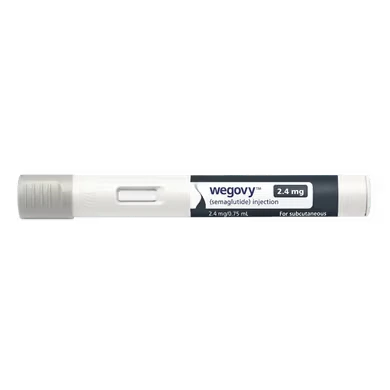
Novo publishes a flat cash price for the Wegovy pen across every standard dose:4
then $349 per month for Wegovy® 0.25 mg, 0.5 mg, 1 mg, 1.7 mg or 2.4 mg and $399 per month for Wegovy® HD (semaglutide) injection 7.2 mg
NovoCare Pharmacy
And the compounded market sits below both brands, with the trade-off that compounded products are not FDA-approved:
A point people miss when a formulary forces a switch: the cash price of the drug you are being pushed off may be lower than the post-card price of the one you are being pushed onto. Work out your own number rather than assuming coverage wins. The manufacturer cards cap out at $100 a month off, which is not the same as the $25 they advertise.
Before you start the paperwork
- Check whether you have to. CVS Caremark said Zepbound would become a preferred option again on 1 October 2026, but adoption varies by plan, so check yours.
- Get the trial documented properly if you do: drug, duration, dose, outcome.
- Ask for the criteria document, so you are answering the actual test rather than guessing at it.
- Price both sides, including the cash route, before deciding the covered drug is the cheap one.
Your insurer's verified position on both brands is in our coverage tracker, and if the request comes back denied, which kind of no you got decides what is worth doing next.