





GLP-1 TV
Zepbound: How It Works, How to Inject It, and Side Effects | GoodRx
Today’s cheapest Zepbound$348/mo at Lemonaid Health, medication and membership billed separately.Compare all Zepbound prices Price read 22 Nov 2026 from the seller’s own page, ranked by price alone. Not from the video’s creator.Our summary
According to the video from the channel, Zepbound is a newer injectable medication that is similar to semaglutide and is the subject of a lot of social media talk about weight loss. The video explains that Zepbound acts like two hormones the body makes naturally, GIP (glucose dependent insulinotropic polypeptide) and GLP-1 (glucagon like peptide 1). It says these hormones are usually released by the gut and play a role in appetite and digestion, so by mimicking them Zepbound may help people feel more full and less hungry.
Published by GoodRx on YouTube
As published by the channel. Not medical advice, and not an endorsement.
What else the video covers
The video describes Zepbound as a once-weekly injection taken on the same day each week, with or without food. It says treatment starts at a low dose that is raised over several months to help limit side effects. The shot goes just under the skin, which the video says is not as deep as most vaccines. The narrator lists the thigh, lower stomach and upper arm as injection sites and advises rotating the area each time to reduce irritation. The video adds that a care team will train patients to self-inject.
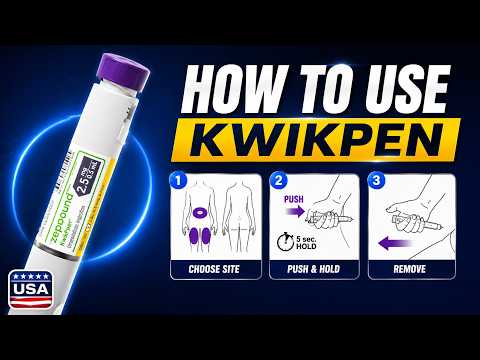
The video walks through using the single dose pre-filled pen: remove the gray base cap, place the clear base on the skin, turn the lock ring to unlock, then press the base down and hold the injection button. A click signals the start, and a second click plus a visible gray plunger signals completion. Used pens go into a sharps container right away. The video says eligibility includes a BMI of 30 or more, or a BMI of at least 27 with a weight related condition. Unused pens are stored in the fridge, not the freezer, in the original container to protect them from light. Side effects it lists are nausea, diarrhea, low appetite, vomiting, upset stomach, constipation and stomach pain. It closes by encouraging viewers to ask a pharmacist or prescriber about affordability.
Our summary of what is said, in our words. Doses, results and prices are the speaker’s, not advice.
Takeaways
The main points, in the order they come up. Tap a time to play from there.
- 0:00 The video says Zepbound acts like the GIP and GLP-1 hormones, which may help people feel more full and less hungry.
- 0:32 According to the video, Zepbound is injected once a week on the same day, starting at a low dose that increases over several months.
- 0:32 The video says the shot goes under the skin in the thigh, lower stomach or upper arm, with a different area used each time.
- 1:03 It describes the pen steps: remove the gray base cap, unlock with the lock ring, hold the button, and listen for two clicks.
- 1:35 The video says eligibility includes a BMI of 30 or more, or 27 or more with a weight related condition, and pens are stored in the fridge.
- 2:06 It lists nausea, diarrhea, low appetite, vomiting, upset stomach, constipation and stomach pain as possible side effects.
Key moments
Tap one to play from there.
What the video says
As stated in the video, not checked by us. Doses and results are the speaker’s, not advice.
- Medication
- Zepbound
Questions this video answers
How do you inject a Zepbound pen?
According to the video, you pull off the gray base cap, place the clear base against your skin, and turn the lock ring to unlock the pen. You then press the base to the skin and hold the injection button until you hear a second click and see the gray plunger. The used pen goes in a sharps container right away.
Where on the body can you inject Zepbound?
The video says the injection goes under the skin of the thigh, lower stomach or upper arm. It advises choosing a different area each time to reduce irritation.
Who is eligible for Zepbound?
The video says you may be eligible with a body mass index of 30 or more, or a BMI of at least 27 along with a weight related condition. It notes the medication is not right for everyone.
What side effects of Zepbound does the video mention?
The video lists nausea, diarrhea, low appetite, vomiting, upset stomach, constipation and stomach pain. It says a prescriber or pharmacist can go over which side effects you may or may not experience.
Videos on the same question
The closest videos in the library by what is said in them, not by title.
 Revolutionary Approach to Weight Loss - Zepbound (tirzepatide) ExplainedAccording to the video, Zepbound (tirzepatide) is a newly FDA approved weight management medication for obesity.
- Already on Zepbound? What your next month costs at every programToday’s lowest is $348/mo. Every program ranked by price alone.
 Zepbound (tirzepatide): Uses, How It Works, and Common Side EffectsThis short video from the channel is a quick overview of Zepbound (tirzepatide).
 Zepbound: Everything You Need To Know | Dr. Shelly, MDIn this podcast episode, another speaker interviews a family and obesity medicine physician about Zepbound shortly after its FDA approval for weight loss.
 COMPLETE Guide to Zepbound Ep 1| Everything You Need To Know To Get Started #weightlossThis is the first episode in a series on Zepbound, the Eli Lilly anti-obesity medication.
 I am GLP-1's most feared opponent | Clip | Uncle Stav on NetflixThis is a clip from a Netflix stand-up special in which comedian the channel jokes about GLP-1 drugs.
Read next
Our guides closest to what this video covers, with prices checked weekly.
- What is Zepbound? Tirzepatide explained: what it treats, how it works, and what it costs
Zepbound is Eli Lilly's brand of tirzepatide, a once-weekly injection that acts on two hormone receptors, GIP and GLP-1. The FDA label approves it, with diet and exercise, for weight reduction in adults with obesity or overweight plus a weight-related condition, and for moderate to severe obstructive sleep apnea in adults with obesity. In the SURMOUNT-5 trial it produced 20.2% average weight loss at 72 weeks against 13.7% for semaglutide. Lilly sells it self-pay from $299 a month.
- Zepbound side effects: the label's table by dose, who actually quits, and how it compares to semaglutide
Zepbound's label puts a number on every common side effect at each of its three maintenance doses. Nausea runs 25 to 29 percent against 8 on placebo, diarrhoea 19 to 23, vomiting 8 to 13, constipation 11 to 17. Across the two approval trials, 4.8 to 6.7 percent of people stopped the drug because of side effects, against 3.4 percent on placebo, and most of those who quit did so in the first months, from gut effects during dose escalation. Below that table are the rarer things the label warns about, with the trial rates where it gives them, and the honest comparison to Ozempic's table.
- GLP-1 constipation, nausea, diarrhoea and fatigue: the label numbers, and what the labels say to do
The four gut effects are the four most common side effects of every GLP-1, and the labels put numbers on them. On Wegovy 2.4 mg: nausea 44%, diarrhoea 30%, constipation 24%, vomiting 24%, fatigue 11%, against 16%, 16%, 11%, 6% and 5% on placebo. On Zepbound at 15 mg: nausea 28%, diarrhoea 23%, constipation 11%, vomiting 13%, fatigue 7%. They cluster around dose increases, they are the reason 6.8% of Wegovy patients and up to 6.7% of Zepbound patients stopped, and both labels prescribe the same fix: climb slower.
Next steps
Zepbound prices
Find more like it
Side effectsDose changeFood noise and cravingsInjection technique
Up next
More from this collection







Watched it? See what it costs.
Every GLP-1 program we track, ranked by what actually leaves your account.