





GLP-1 TV
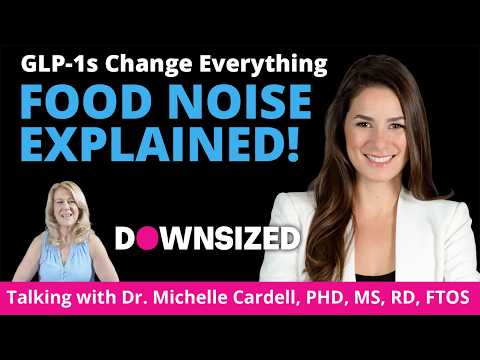
GLP-1s, Cravings & Food Noise: What This New Research Found. Speaking With Giorgia Rutigliani
Today’s cheapest GLP-1$39/mo at Wellmedr, sale price.Compare all GLP-1 prices Price read 22 Nov 2026 from the seller’s own page, ranked by price alone. That price is a compounded drug, and compounded drugs are not FDA-approved. Not from the video’s creator.Our summary
In this interview, the speaker, a PhD candidate in nutrition science at Purdue University, describes a study on why people eat less on GLP-1 medications. She says it began with friends and colleagues on these drugs who reported changes beyond appetite, such as altered taste, fewer cravings and quieter food noise. She notes that clinical trials report weight loss and reduced energy intake but not the reason people eat less.
Published by DOWNSIZED on YouTube
As published by the channel. Not medical advice, and not an endorsement.
What else the video covers
She explains that the study compared three groups: people with a BMI above 30 who were not on medication, people on a GLP-1 medication for one month, and people on one for about six months. The groups had 27, 25 and 27 people. Participants completed taste and smell tests, questionnaires on food noise, cravings and food cue reactivity, a computer-based food Stroop task, and a saliva test with a lemon. She says about 80% of the medication users were on tirzepatide, and the study did not compare drugs, ages or sexes.
She reports that taste and smell showed little change, apart from lower sensitivity to sweet taste in medication users. The clearer results were in eating behavior: food noise, cravings, food cue responsiveness and food preferences all decreased, and the six-month group showed this most. She concludes the main mechanism is motivational and cognitive rather than chemosensory. She cautions that different people were compared, not the same people over time, so causality cannot be established. She says she would like to run a before, during and after study, and to include adolescents and children. She also suggests food noise questionnaires could help doctors assess who is responding to treatment.
Our summary of what is said, in our words. Doses, results and prices are the speaker’s, not advice.
Takeaways
The main points, in the order they come up. Tap a time to play from there.
- 4:36 The speaker says the study began with patient reports of changes in taste, cravings and food noise that appetite alone did not explain.
- 9:30 She describes three groups of 25 to 27 people each: no medication, one month on a GLP-1 medication, and about six months on one.
- 17:02 She says taste and smell were largely unaffected, except for reduced sensitivity to sweet taste among medication users.
- 19:00 She reports decreases in food noise, cravings, food cue responsiveness and changes in food preferences, pointing to motivational and cognitive mechanisms.
- 36:02 She cautions that the study compared different people rather than the same people over time, so it cannot establish causality.
- 44:00 She suggests food noise questionnaires could help clinicians understand responders and non-responders to treatment.
Key moments
Tap one to play from there.
Questions this video answers
Do GLP-1 medications change how food tastes?
According to the speaker, her study found no strong sign that GLP-1 medications affect taste and smell. The one exception was that users were less sensitive to sweet taste, meaning they needed more sugar to detect it. She says this finding cannot be translated into a broader conclusion.
Why do people eat less on GLP-1 medications according to this research?
She says the main mechanism in her study was motivational and cognitive rather than chemosensory. Food noise, cravings and responsiveness to food cues all decreased, most clearly in the six-month group.
What is the difference between food noise and cravings?
She describes food noise as persistent, intrusive thoughts about food that are hard to control, such as constantly thinking about the next meal. A craving, she says, is specific, such as wanting something sweet, salty or a particular dessert.
What are the limits of this GLP-1 food noise study?
She says it was exploratory and compared different people rather than following the same people before and during treatment. About 80% of users were on tirzepatide, and the groups were mixed in age and sex. She says a longitudinal design would be stronger.
Videos on the same question
The closest videos in the library by what is said in them, not by title.
 GLP-1 And Food Noise BACK? Obesity DoctorIn this video, the speaker addresses a common question from people taking GLP-1 medications: does food noise come back?
- Already on a GLP-1? What your next month costs at every programToday’s lowest is $39/mo. Every program ranked by price alone. Compounded drugs are not FDA-approved.
 Silencing the Food Noise! My GLP-1 Success Story!In this video, the speaker, who hosts the channel the channel, describes what he calls food noise: constant thoughts about what to eat, when to eat and how much to eat.
 The Science Behind Food Noise: What Tirzepatide Does to Your BrainThe speaker, who runs the channel with his wife another speaker, explains what he calls food noise: constant mental chatter about what to eat that does not depend on being hungry or full.
 Food Noise Is Back on My GLP-1! Should I Increase My Dose? Ask the DOWNSIZEDThis is the first episode of Ask Downsized, a Sunday question-and-answer show from hosts the speaker.
 Food Noise, Ozempic and the Drug-Free Solutions NO ONE is Talking AboutIn this solo episode of her show Bite Back, the channel talks about food noise, which she describes as constant, distracting mental chatter about food.
 325. Microdosing GLP-1s Explained with Geoff Cook, CEO of NoomHe describes the GLP-1 as a catalyst that quiets "food noise", which he says creates room for other healthy habits.
Read next
Our guides closest to what this video covers, with prices checked weekly.
- What is food noise, and do GLP-1 medicines quiet it? What the studies show
Food noise is persistent, unwanted thinking about food: what to eat, when, and how much, intrusive enough to feel like rumination. In a 2026 national survey, 51% of US adults said they experience it at least occasionally and 18% frequently. People taking semaglutide report it drops sharply: in one survey, the median food noise score fell from 13 to 6 out of 20. That evidence is surveys and interviews; no randomised trial has measured food noise as its outcome yet.
- GLP-1s for binge eating: what semaglutide, liraglutide and tirzepatide trials show
No GLP-1 is FDA approved for binge eating disorder; the only approved drug is lisdexamfetamine (Vyvanse). A 2026 meta-analysis of 25 randomized trials reports moderate drops in binge eating on GLP-1s, larger in people diagnosed with the disorder, but rates every trial at high risk or some concerns of bias. The one placebo-controlled liraglutide trial in diagnosed BED showed no significant difference. A tirzepatide versus Vyvanse trial is recruiting.
- The GLP-1 diet: what to eat on Ozempic, Wegovy or Zepbound, and what to limit, from the 2025 joint advisory
There is no special GLP-1 diet, but there is now a consensus on how to eat on one. A 2025 advisory from four medical societies says to build meals around fruits, vegetables, whole grains, legumes, lean proteins, nuts and seeds; limit refined carbohydrates, sugary drinks, red and processed meats, fast food and ultra-processed snacks; eat small regular meals; drink enough fluids; and put protein first, because appetite drops and muscle is at risk. During dose increases, smaller meals and avoiding fatty or high-fibre foods ease nausea.
Next steps
Compounded tirzepatide prices
Find more like it
Weigh-in and resultsFood, protein and eatingFood noise and cravingsInjection techniqueHow it worksThe trials
Up next
More from this collection









Watched it? See what it costs.
Every GLP-1 program we track, ranked by what actually leaves your account.