
GLP-1 TV · Clinician
Ozempic in the ER: Side Effects of GLP-1 Receptor Agonists
Today’s cheapest semaglutide$39/mo at Wellmedr, sale price.Compare all semaglutide prices Price read 22 Nov 2026 from the seller’s own page, ranked by price alone. That price is a compounded drug, and compounded drugs are not FDA-approved. Not from the video’s creator.Our summary
In this video, the channel, says he is often asked whether people should take drugs such as Ozempic, Wegovy or Mounjaro. He notes that the benefits are easy to see, since the drugs are very effective for weight loss and may protect the heart, but the drawbacks are harder to measure. He lists the five side effects of GLP-1 receptor agonists he most often sees in the emergency room, and states that none of it is medical advice.
Published by Nick Sterling, MD, PhD on YouTube
As published by the channel. Not medical advice, and not an endorsement.
What else the video covers
He starts with nausea and vomiting, which he describes as very common when starting the drug or raising the dose. He explains that the drugs mimic the natural hormone GLP-1, which tells the brain the body is full and tells the gut to slow down. Vomiting and poor intake can lead to dehydration, which in some cases leads to acute kidney injury, detected in the emergency room through rising creatinine and blood urea. Third is starvation ketosis, where long-term low intake can push someone into ketoacidosis. He says this usually resolves with fluids and gradual reintroduction of food, though it can be dangerous for some people.
The fourth is muscle atrophy. He describes the evidence linking it to these drugs as moderate quality and says most patients he sees with significant muscle loss are not doing regular strength training or tracking protein intake. The fifth is depressed mood, which he links to a large calorie deficit, with a mechanism he says is not fully known. He closes with an honorable mention of gastroparesis, a known side effect that is hard to separate from diabetes in studies, and says he has seen it in patients without diabetes who take these drugs for weight loss.
Our summary of what is said, in our words. Doses, results and prices are the speaker’s, not advice.
Takeaways
The main points, in the order they come up. Tap a time to play from there.
- 0:30 The speaker says nausea and vomiting are the most common side effect, especially when starting the drug or increasing the dose.
- 1:30 He explains that vomiting and reduced intake can cause dehydration, which in some cases leads to acute kidney injury.
- 3:00 He describes starvation ketosis, where very low intake can lead to ketoacidosis that usually improves with fluids and slowly restarting food.
- 4:00 He says muscle atrophy is linked to these drugs with moderate-quality evidence, and that the affected patients he sees rarely do strength training or track protein.
- 5:00 He names depressed mood as the fifth side effect, tied to significant calorie deficits.
- 5:40 He adds gastroparesis as an honorable mention and says he has seen it in people without diabetes taking these drugs for weight loss.
Key moments
Tap one to play from there.
What the video says
As stated in the video, not checked by us. Doses and results are the speaker’s, not advice.
- Medication
- Ozempic
- Side effects mentioned
- nausea, vomiting and dehydration
Questions this video answers
What are the most common GLP-1 side effects seen in the emergency room?
According to the speaker, the five he sees most often are nausea and vomiting, dehydration with possible kidney injury, starvation ketosis, muscle atrophy and depressed mood. He ranks them in decreasing order of how often he sees them and adds gastroparesis as an honorable mention.
Why do GLP-1 drugs cause nausea and vomiting?
The doctor explains that these drugs mimic GLP-1, a hormone made by the intestine after eating. It signals fullness to the brain and tells the digestive tract to slow down, so the body is in a mode of rejecting food, which causes nausea. He says vomiting can follow if people keep eating their usual portions.
Can GLP-1 medications cause muscle loss?
The speaker describes the evidence linking these drugs to muscle atrophy as moderate quality. He says the patients he sees with significant muscle loss are almost all not doing regular strength training or tracking their protein intake.
Does the video say gastroparesis happens in people without diabetes?
Yes. The speaker says gastroparesis is a known side effect and that it is hard to detect in some studies because diabetes also causes it. He says he has seen it in emergency department patients without diabetes who take these drugs mainly for weight loss.
Videos on the same question
The closest videos in the library by what is said in them, not by title.
 Ozempic: the New Diabetes Drug ExplainedIn this video, the speaker, a pharmacist, introduces Ozempic, a newly released diabetes medication made by Nova Nordisk.
- Already on semaglutide? What your next month costs at every programToday’s lowest is $39/mo. Every program ranked by price alone. Compounded drugs are not FDA-approved.
 What Science ACTUALLY Says About Ozempic / Wegovy / Zepbound for ArthritisIn this video the speaker discusses whether GLP-1 agonists such as Ozempic, Wegovy and Mounjaro could help people with arthritis.
 Weird Side Effects of Ozempic: What You Need to KnowAccording to the video, from the channel, this lesson walks through common and unusual side effects of Ozempic, which the speaker calls OIC in the captions.
 Weight Loss Doctor Explains The Real Reason Ozempic Wrecks Your Gut — And 7 Ways to Stop ItThe speaker, who describes herself as a board-certified internal medicine and obesity medicine specialist, explains why GLP-1 medications such as Ozempic, Wegovy and Mounjaro often cause stomach problems.
Read next
Our guides closest to what this video covers, with prices checked weekly.
- Ozempic side effects, and the ones that actually make people stop
The common Ozempic side effects are gastrointestinal: nausea, vomiting, diarrhoea and constipation. They cluster in the first weeks and after each dose increase, which is why the drug is titrated slowly rather than started at the dose that does the work. Ozempic also carries a boxed warning for thyroid C-cell tumour risk, and the label for Wegovy, the same molecule, advises against combining it with another GLP-1. The practical thing nobody tells you: most people who quit do it during titration, and what decides whether that costs them money is the seller's pause and refund terms, not the sticker price.
- GLP-1 constipation, nausea, diarrhoea and fatigue: the label numbers, and what the labels say to do
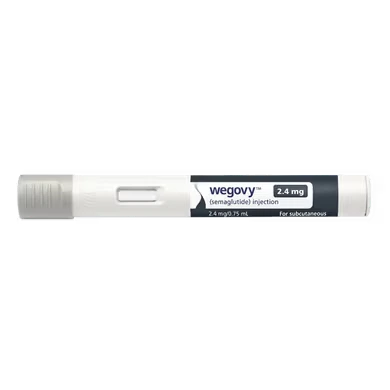
The four gut effects are the four most common side effects of every GLP-1, and the labels put numbers on them. On Wegovy 2.4 mg: nausea 44%, diarrhoea 30%, constipation 24%, vomiting 24%, fatigue 11%, against 16%, 16%, 11%, 6% and 5% on placebo. On Zepbound at 15 mg: nausea 28%, diarrhoea 23%, constipation 11%, vomiting 13%, fatigue 7%. They cluster around dose increases, they are the reason 6.8% of Wegovy patients and up to 6.7% of Zepbound patients stopped, and both labels prescribe the same fix: climb slower.
- The GLP-1 diet: what to eat on Ozempic, Wegovy or Zepbound, and what to limit, from the 2025 joint advisory
There is no special GLP-1 diet, but there is now a consensus on how to eat on one. A 2025 advisory from four medical societies says to build meals around fruits, vegetables, whole grains, legumes, lean proteins, nuts and seeds; limit refined carbohydrates, sugary drinks, red and processed meats, fast food and ultra-processed snacks; eat small regular meals; drink enough fluids; and put protein first, because appetite drops and muscle is at risk. During dose increases, smaller meals and avoiding fatty or high-fibre foods ease nausea.
Next steps
Ozempic prices
Find more like it
Side effectsDose changeFood, protein and eatingMood and mental healthExercise and strengthHow it worksNauseaVomitingDehydration
Up next
More from this collection








Watched it? See what it costs.
Every GLP-1 program we track, ranked by what actually leaves your account.