
Nine prescription drugs carry an FDA label for weight loss in the United States today, and one more is sold over the counter. Four of the nine are GLP-1 medicines, the group that works on the gut hormones that tell your brain you are full. Four are older pills that have been on sale for years. The ninth treats rare genetic forms of obesity. Tracked cash programs on our board start at $41 a month.
An FDA label is the legal statement of what a drug is approved to treat. Every row below quotes the drug's own label, so you can see what the FDA actually agreed to, not what an advert says.
The full list of FDA approved weight loss drugs
| Drug (active ingredient) | How you take it | What its FDA label covers | Price we track |
|---|---|---|---|
| Zepbound (tirzepatide) | Weekly injection | "to reduce excess body weight and maintain weight reduction long term" in adults, and "to treat moderate to severe obstructive sleep apnea (OSA) in adults with obesity"1 | Zepbound programs |
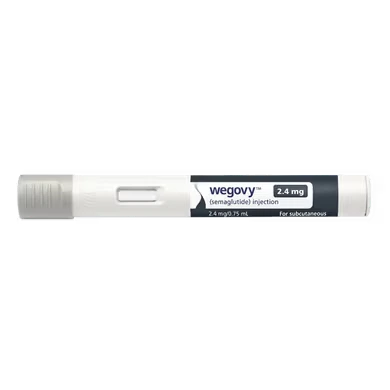
| Wegovy (semaglutide) | Weekly injection, or a daily tablet | Long term weight loss, plus lowering the risk of "major adverse cardiovascular (CV) events" in adults with heart disease and obesity or overweight2 | Wegovy programs |
| Foundayo (orforglipron) | Daily tablet | Long term weight loss "in adults with obesity or adults with overweight in the presence of at least one weight-related comorbid condition"4 | Foundayo guide |
| Saxenda (liraglutide) | Daily injection | Long term weight loss in adults, and in children aged 12 and older above a set body weight3 | Novo Nordisk is discontinuing it13 |
| Qsymia (phentermine and topiramate) | Daily capsule | Long term weight loss in adults, and in children aged 12 and older with obesity5 | Not on our board |
| Contrave (naltrexone and bupropion) | Tablets, morning and evening | Long term weight loss "in adults with obesity or overweight in the presence of at least one weight-related comorbid condition"6 | Not on our board |
| Xenical (orlistat) | Capsule with meals | Long term weight loss in adults, and in "pediatric patients aged 12 years and older with obesity"7 | Not on our board |
| Phentermine (Lomaira and other brands) | Tablet | A "short-term (a few weeks)" aid to weight reduction alongside diet and exercise8 | Not on our board |
| Imcivree (setmelanotide) | Daily injection | Weight loss in people with named genetic or acquired causes of obesity, such as "acquired hypothalamic obesity"9 | Not on our board |
| alli (orlistat, over the counter) | Capsule with meals | "for weight loss in overweight adults, 18 years and older, when used along with a reduced-calorie and low-fat diet"10 | Sold in pharmacies without a prescription |
Two of those rows are the same drug at different strengths. Xenical is the prescription version of orlistat and alli is the version you can buy yourself.710
The four GLP-1 drugs
These are the ones most people mean when they search for weight loss drugs. They copy a gut hormone your body already makes, which slows the stomach and lowers appetite.
- Zepbound is a weekly shot. Its label also covers obstructive sleep apnea in adults with obesity, which no other weight loss drug can claim.1
- Wegovy comes as a weekly shot and as a daily tablet. Its label adds heart protection for adults who already have heart disease.2
- Foundayo is the newest, and the first GLP-1 for weight loss that is a plain daily tablet rather than an injection.4
- Saxenda is the oldest, a daily shot. Novo Nordisk says the last shipments to wholesalers happen "in late January 2027", and that the decision "is not the result of any safety or quality-related concerns".13
Our ranking of the programs that sell these, cheapest first, is on the GLP-1 board. If you want the evidence on which one takes off more weight, read the best GLP-1 for weight loss.
The older pills, and why they still matter
Qsymia, Contrave, Xenical and phentermine came first, and they are far cheaper. None of them matches the newer drugs for average weight loss, and each carries its own cautions, so this is a conversation to have with a prescriber.
Two of them are now generic, and the prices are small. Under the federal survey of what US pharmacies actually pay, a generic orlistat capsule came to about $7.07, and a generic phentermine capsule to about 10 cents, in the data effective 21 October 2026.1112 What you pay at the counter is higher, because a pharmacy adds its own margin and fee.
Qsymia's own label notes a limit worth knowing: "The effect of QSYMIA on cardiovascular morbidity and mortality has not been established."5 Phentermine on its own is labelled for short term use only, "a few weeks", which makes it a poor fit for a long plan.8
What these drugs cost
Brand prices through insurance vary by plan, so the honest number for most people is the cash price. Here is what the programs we track charge today, all-in with any verified membership fee.
If you have coverage, start with GLP-1 cost with insurance. If you do not, GLP-1s without insurance walks through the cash routes.
What is not FDA approved
Compounded semaglutide and compounded tirzepatide are made for one patient by a pharmacy. They are legal under set conditions, but they are not FDA approved products. The FDA says plainly that "unapproved versions do not undergo FDA's review for safety, effectiveness and quality before they are marketed".14
Research compounds sold online, such as retatrutide, have no FDA approval for any use. Our page on whether compounded semaglutide is safe explains the difference in full.
Drugs approved for diabetes that doctors also use
Ozempic, Mounjaro and Rybelsus hold FDA labels for type 2 diabetes, not weight loss. They contain the same active ingredients as Wegovy, Zepbound and the Wegovy tablet. Prescribing them for weight alone is off-label, which is legal but often not covered. See Ozempic for weight loss and Mounjaro for weight loss.
How to choose one
- Start with what your plan covers. A covered drug almost always beats a better drug you cannot afford to keep taking.
- Match the drug to your other conditions. Heart disease, sleep apnea and diabetes each point to a different label.
- Be honest about needles. Two options are daily tablets, and sticking with the treatment matters more than the trial averages.
- Check the all-in price. Some programs add a membership fee on top of the medicine, which our board already includes.
- Ask about stopping. Weight usually returns when treatment stops, so ask what the plan is after the first year.