





GLP-1 TV · Clinician
Is Ozempic Putting An End To Bariatric Surgery? | Dr. Christine Ren-Fielding
Today’s cheapest semaglutide$41/mo at Wellmedr, sale price.Compare all semaglutide prices Price read 16 Nov 2026 from the seller’s own page, ranked by price alone. That price is a compounded drug, and compounded drugs are not FDA-approved. Not from the video’s creator.Our summary
In this interview on the channel's channel, bariatric surgeon the speaker explains what weight loss surgery is and who it is for. She describes the sleeve gastrectomy as removing about 80% of the stomach, which she says shrinks the stomach and lowers the hunger hormone ghrelin. She describes gastric bypass as separating the top of the stomach and reconnecting the intestine, which she says changes gut hormones such as PYY and GLP-1. She says people with a BMI of 40 or higher are unlikely to keep significant weight off with diet, exercise or medication alone, and that surgery is usually evaluated as an option at that level.
Published by Doctor Mike on YouTube
As published by the channel. Not medical advice, and not an endorsement.
What else the video covers
On GLP-1 medications such as Ozempic and Wegovy, she says bariatric surgery volumes have dropped about 20% at practices she knows of. She welcomes this, because she says the medications have opened up conversations about treating obesity. She does not think the drugs will make surgery obsolete soon. She cites access and cost, tolerance and the need for higher doses, patient preference, pregnancy plans, and weight regain. She also notes that a medication cutting 10% to 30% of body weight leaves a person with 600 pounds to lose still very heavy. She expects combination therapy to become more common and says the best sequence is still being studied.
Other topics include the body's weight set point and regain after weight loss, the limits of BMI, muscle loss during rapid weight loss, vitamin B12 absorption after bypass, type 2 diabetes remission, patient satisfaction she puts above 95%, and her view that GLP-1 drugs are generally lifelong. She also covers food addiction, ultra-processed foods, and upcoming endoscopic procedures.
Our summary of what is said, in our words. Doses, results and prices are the speaker’s, not advice.
Takeaways
The main points, in the order they come up. Tap a time to play from there.
- 0:02 She says weight loss surgery has existed since the 1950s or 1960s, and that people often judge it as the easy way out.
- 24:45 She explains that the sleeve removes about 80% of the stomach and lowers ghrelin, while gastric bypass reroutes the intestine to change gut hormones.
- 30:01 She says surgery is usually evaluated at a BMI of 40 or higher, and that the BMI cutoff was lowered to 35 by a surgical society but insurers ignored it.
- 54:52 She reports a roughly 20% drop in bariatric surgery numbers at practices she knows, and welcomes it because GLP-1 medications opened the conversation about treating obesity.
- 59:01 She does not expect GLP-1 drugs to make surgery obsolete soon, citing access, tolerance, side effects, pregnancy plans and weight regain.
- 67:52 She says GLP-1 medications have to be lifelong to keep working, and that patients who stop tend to regain weight.
Key moments
Tap one to play from there.
What the video says
As stated in the video, not checked by us. Doses and results are the speaker’s, not advice.
- Medication
- Ozempic
- Weight loss mentioned
- 25 lb
- Side effects mentioned
- vomiting and muscle loss
Questions this video answers
Will Ozempic and other GLP-1 drugs replace bariatric surgery?
The speaker says it may happen eventually, but she does not think it will be soon. She points to limited access and cost, tolerance to the drugs, side effects, patients who prefer surgery, and weight regain after two or three years on medication. She expects combination therapy to be common.
Why does the stomach sleeve procedure help with hunger?
She says the sleeve removes about 80% of the stomach, so the container is smaller and you feel full sooner. The removed section also contains many cells that make ghrelin, so she says hunger drops as well.
Should you start a GLP-1 medication before bariatric surgery?
She says that for a patient with a BMI of 50 who can get access, she would advise starting the medication while preparing for surgery, because preparation takes 3 to 6 months. She says it may lower surgical risk, and that medication can be added back later if weight loss plateaus. She adds that the best order is still being studied.
Do you have to stay on GLP-1 medications for life?
She says they only control appetite while taken, and that people she has seen stop the injectables start gaining weight. She thinks someone over 300 pounds will likely depend on them, while someone with a BMI of 26 wanting to lose 10 or 20 pounds might come off.
Videos on the same question
The closest videos in the library by what is said in them, not by title.
 Wegovy & Ozempic: The Ins & Outs of Weight Loss Drugs | Mark Moyad, MD & Mark Scholz, MD | PCRIIn this short conversation, the speaker, MD and the speaker, MD discuss the GLP-1 agonist class of weight loss drugs.
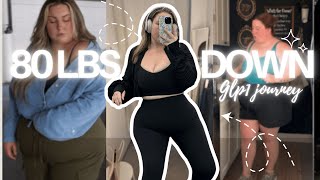 💉 My 6-Month GLP-1 Journey | Down 80lbs, Honest Q&A About Weight Loss, Side Effects & MindsetThe channel, a 34-year-old creator, answers viewer questions about her first six months on GLP-1 medication.
 A Registered Dietitian's take on Ozempic, Wegovy, Semaglutide! GLP-1The speaker, a registered dietitian who says she has worked in weight loss for two decades, gives her view on GLP-1 weight loss shots such as Ozempic, Wegovy and Mounjaro.
 Ozempic Changed Everything for Weight Loss - The Major Shift Doctors Are SeeingThe speaker, who describes himself as a pharmacist and weight management specialist, explains what Ozempic is and why it was in the news at the time of filming.
Read next
Our guides closest to what this video covers, with prices checked weekly.
- GLP-1 vs GLP-2 vs GLP-3: what the names mean, and which ones you can actually buy
GLP-1 drugs such as semaglutide act on one receptor. "GLP-2" is used online for tirzepatide (Zepbound, Mounjaro), which acts on two, GIP and GLP-1, and "GLP-3" for retatrutide, which adds the glucagon receptor. Neither nickname is the real name: GLP-2 is a separate gut hormone whose drug, Gattex, treats short bowel syndrome. Retatrutide produced 28.3% mean weight loss at 80 weeks in its phase 3 trial but is not FDA-approved; Lilly plans to file in Q1 2027. Tirzepatide is the strongest option you can buy today.
- How to get a GLP-1 covered by insurance, in the order it actually works
There are four gates and most people fight the wrong one first. Before any clinical criterion applies, your employer has to have bought the weight-loss drug category at all, and if they did not, no BMI number and no comorbidity will change the answer. Once past that, the published criteria across the major insurers are strikingly consistent: BMI of 30 or more, or 27 with a weight-related condition, plus a documented period of lifestyle change, plus roughly 5 percent weight loss to stay approved at renewal.
- GLP-1s before surgery: do you stop Ozempic, Wegovy or Zepbound, and for how long?
Most people can keep taking a GLP-1 before elective surgery, according to 2024 guidance from five medical societies including the American Society of Anesthesiologists, which replaced its 2023 advice to hold a weekly shot for a week. People at the highest risk (early in dose increases, on a high dose, or with nausea, vomiting or bloating) may be asked to follow a liquid diet for 24 hours, have a stomach ultrasound or wait. Every label says to tell the team you take it.
Next steps
Ozempic prices
Find more like it
Side effectsDose changeWeigh-in and resultsFood, protein and eatingFood noise and cravingsMood and mental healthCost and insuranceExercise and strengthAlcoholStopping and maintenance
Up next
More from this collection







Watched it? See what it costs.
Every GLP-1 program we track, ranked by what actually leaves your account.