GLP-1 TV
Ozempic for weight loss: What you need to know
Today’s cheapest semaglutide$39/mo at Wellmedr, sale price.Compare all semaglutide prices Price read 22 Nov 2026 from the seller’s own page, ranked by price alone. That price is a compounded drug, and compounded drugs are not FDA-approved. Not from the video’s creator.Our summary
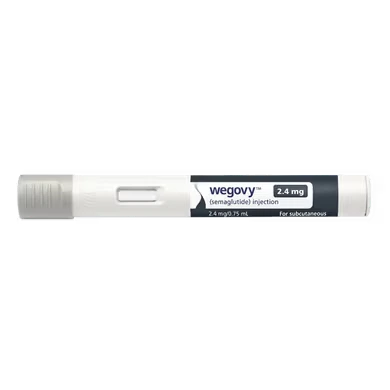
In this video, a weight loss surgeon answers a question patients, friends and family often ask: should I consider Ozempic, Wegovy, Mounjaro or similar drugs? The doctor explains that Ozempic is an injectable approved by the FDA for type 2 diabetes, not for weight loss. It mimics the hormone GLP-1, which raises insulin, lowers blood sugar, reduces appetite and increases fullness after eating. Weight loss began as a beneficial side effect. According to the doctor, Wegovy is made by the same manufacturer as Ozempic, is approved for weight management, and is a higher dose that works in the body in much the same way.
Published by Northwell Health on YouTube
As published by the channel. Not medical advice, and not an endorsement.
What else the video covers
The doctor contrasts these drugs with older weight management medications such as orlistat (Alli), which limited absorption and caused unpleasant side effects. Mounjaro and Zepbound are described as the next generation. They act like Ozempic or Wegovy but add a second mechanism, GIP, which also raises insulin. For Wegovy and Zepbound, the speaker says a BMI of 30 qualifies, or a BMI of 27 with a weight-related condition such as high blood pressure, cardiovascular disease or diabetes. The doctor recommends seeing a trained provider, ideally one with obesity medicine certification, rather than an online consultation.
The doctor lists nausea, vomiting, diarrhea, constipation and abdominal pain as the most common side effects, in that order. They also say some data suggest an increase in disordered eating, and that social media comparisons can make patients feel like failures. According to the video, people can regain up to two thirds of the weight lost after stopping, because the drug's effects on insulin, fullness and stomach emptying end. The doctor asks patients about their goals and says medications are now an option alongside weight loss surgery for the right patients.
Our summary of what is said, in our words. Doses, results and prices are the speaker’s, not advice.
Takeaways
The main points, in the order they come up. Tap a time to play from there.
- 0:32 The doctor says Ozempic is FDA approved for type 2 diabetes, not weight loss, and works by mimicking the hormone GLP-1.
- 1:02 Wegovy is described as the weight management version from the same manufacturer, at a higher dose.
- 2:04 Mounjaro and Zepbound are said to add a second mechanism, GIP, to the GLP-1 effect.
- 3:04 The speaker says Wegovy and Zepbound candidates have a BMI of 30, or 27 with a weight-related condition.
- 4:07 The most common side effects listed are nausea, vomiting, diarrhea, constipation and abdominal pain, plus concern about disordered eating.
- 4:37 The doctor says up to two thirds of lost weight can be regained after stopping the medication.
Key moments
Tap one to play from there.
What the video says
As stated in the video, not checked by us. Doses and results are the speaker’s, not advice.
- Medication
- Ozempic, Wegovy, Zepbound and Mounjaro
Questions this video answers
What is the difference between Ozempic and Wegovy?
According to the doctor, both come from the same manufacturer and work in the body in pretty much the same way. Ozempic is approved for type 2 diabetes, while Wegovy is approved for weight management and is a higher dose.
Who qualifies for Wegovy or Zepbound?
The doctor says a BMI of 30 qualifies, or a BMI of 27 with another condition worsened by excess weight, such as high blood pressure, cardiovascular disease or diabetes. They advise consulting a trained provider, ideally one with obesity medicine certification.
What are the common side effects of Ozempic and similar drugs?
The speaker lists nausea, vomiting, diarrhea, constipation and abdominal pain, most common in that order. They also mention data suggesting increased disordered eating.
Do you regain weight after stopping Ozempic or Wegovy?
The doctor says data show people can regain up to two thirds of what they lost. They explain that without the drug, the body no longer gets the extra insulin and fullness effects.
Videos on the same question
The closest videos in the library by what is said in them, not by title.
 Ozempic is a game-changer. Here’s how it works.According to the video, Ozempic is an FDA-approved drug for managing type 2 diabetes that has also drawn attention for weight loss.
- What semaglutide costs at every program we trackToday’s lowest is $39/mo. Every program ranked by price alone. Compounded drugs are not FDA-approved.
 5 Surprising Facts About Ozempic The Media Won't Tell You!In this video, the channel, who describes himself as a board-certified holistic plastic surgeon, counts down five facts about Ozempic and related GLP-1 medications that he says many people, including some doctors, may not know.
 WeGovy or Ozempic | How a new wave of weight loss drugs could transform the diet industryIn this video from the channel the channel, the host explains why Wegovy is drawing attention as an alternative to Ozempic for weight loss.
 Ozempic Changed Everything for Weight Loss - The Major Shift Doctors Are SeeingThe speaker, who describes himself as a pharmacist and weight management specialist, explains what Ozempic is and why it was in the news at the time of filming.
 Doctors explain how Wegovy and Ozempic work | 60 MinutesIn this segment, the speaker, who specializes in weight management at Brigham and Women's Hospital in Boston, explains how the anti-obesity medication Wegovy and the diabetes drug Ozempic work.
 Wegovy vs Zepbound for Weight Loss! and how they work...The speaker, who describes herself as a board certified pharmacist in the US with over 20 years of practice, compares Wegovy, Zepbound, Mounjaro, Ozempic and Trulicity.
Read next
Our guides closest to what this video covers, with prices checked weekly.
- Ozempic for weight loss, and where the ladder runs out
Ozempic is approved for type 2 diabetes, not for weight loss. Taking it to lose weight is off-label, which is legal, extremely common, and a prescriber's decision. The consequence nobody mentions is the ceiling: Ozempic's doses stop at 2 mg while Wegovy, the same molecule approved for weight, goes to 2.4 mg with a 7.2 mg strength above that. Someone using Ozempic for weight eventually runs out of ladder, and switching brand is the usual answer.
- Mounjaro vs Ozempic, and the trial everyone quotes about it
Mounjaro is tirzepatide and Ozempic is semaglutide: different molecules, not two brands of the same drug. Both are approved for type 2 diabetes, and the weight-loss versions are Zepbound and Wegovy. In the one head-to-head trial, SURMOUNT-5, tirzepatide produced 20.2% mean body-weight loss at 72 weeks against semaglutide's 13.7%. The detail almost every page omits: that trial dosed semaglutide to 2.4 mg in people without diabetes, which is the Wegovy range. Ozempic tops out at 2 mg. The famous result did not test Ozempic's dose range.
- Ozempic side effects, and the ones that actually make people stop
The common Ozempic side effects are gastrointestinal: nausea, vomiting, diarrhoea and constipation. They cluster in the first weeks and after each dose increase, which is why the drug is titrated slowly rather than started at the dose that does the work. Ozempic also carries a boxed warning for thyroid C-cell tumour risk, and the label for Wegovy, the same molecule, advises against combining it with another GLP-1. The practical thing nobody tells you: most people who quit do it during titration, and what decides whether that costs them money is the seller's pause and refund terms, not the sticker price.
Next steps
Ozempic prices
Find more like it
Side effectsDose changeHow it works
Up next
More from this collection








Watched it? See what it costs.
Every GLP-1 program we track, ranked by what actually leaves your account.