
GLP-1 TV · Patient story · views checked Oct 2026
OZEMPIC FOR *WEIGHT LOSS* || My experience after 1 month on Ozempic + Adressing the controversy 👀
Our summary
In this video, creator Emily Shacklette gives her one-month experience on Ozempic, which she says was prescribed for weight management. She explains that she did not seek it out. A nurse practitioner at a wellness visit brought it up after Emily said she had lost 40 pounds this year on her own, and cited her genetic predisposition to type 2 diabetes and a few other comorbidities. She describes it as a once-weekly injection into the stomach at 0.25 milligrams, and says she was on her fourth injection the day of filming.
One person's experience, in their words. Not medical advice.
Where semaglutide costs least today
The three cheapest partner programs for semaglutide, all in per month, checked weekly. Brand Ozempic and compounded versions are different products; each row says which it is.



What else the video covers
She says it has been a difficult month. For roughly four to five days after each Tuesday injection she gets no hunger cues, and in the first two weeks she forgot to plan meals, felt very tired and drained, and found her Peloton rides hard. She also says she was increasing her Prozac dose at the same time, which caused serious dry mouth that made eating uncomfortable. She now uses protein drinks, adds protein to her coffee and tracks macros. She has not weighed herself all month, is unsure whether she will continue, plans another month, and sees her doctor in October.
She then addresses the online controversy. She rejects the view that using medication is taking the easy way out, comparing it to telling someone with depression to go for a run. On the reported shortage, she says she had no trouble filling her prescription and does not think it is fair to say she is taking medication from others, since providers would not prescribe it if the shortage were that serious. She presents all of this as her own opinion.
Our summary of what is said, in our words. Doses, results and prices are the speaker’s, not advice.
Takeaways
The main points, in the order they come up. Tap a time to play from there.
- 1:03 She says Ozempic is an injectable for blood sugar in type 2 diabetes that is also used for weight management in people with obesity and at least one related condition.
- 2:36 She says a nurse practitioner offered it because she had kept weight off on her own and has a genetic predisposition to type 2 diabetes.
- 3:38 She reports taking 0.25 milligrams once a week, injected into her stomach, with her fourth injection on the day of filming.
- 4:40 She says she had almost no hunger for several days after each weekly dose, which left her tired and drained during workouts early on.
- 5:30 She describes using protein drinks and tracking macros to eat enough, and says she has not weighed herself all month.
- 7:47 She argues that treating health problems with medication is not an easy way out and says she had no trouble filling her prescription despite reports of a shortage.
Key moments
From the creator's own chapters. Tap one to play from there.
What the video says
As stated in the video, not checked by us. Doses and results are the speaker’s, not advice.
- Medication
- Ozempic
- Doses mentioned
- 0.25 mg
- Point in the journey
- Month 1
- Side effects mentioned
- fatigue
- Who is speaking
- Patient
Questions this video answers
What side effects did she have in her first month on Ozempic?
She says she had no hunger cues from Tuesday through most of Saturday each week, plus tiredness and low energy during workouts in the first two weeks. She notes she was also raising her Prozac dose, which caused dry mouth that made eating uncomfortable.
What dose of Ozempic does she take and how often?
She says she injects 0.25 milligrams once a week into her stomach, on Tuesdays. She had taken four injections by the time of the video.
How did she get prescribed Ozempic for weight loss?
She says a nurse practitioner at a wellness visit offered it after she mentioned losing 40 pounds on her own. The practitioner cited her success at weight management and her genetic predisposition to type 2 diabetes, among other comorbidities.
Did she have trouble getting Ozempic because of the shortage?
She says she had no issues filling her prescription and that it was ready about half an hour after her doctor visit. She says she does not know whether that was regional or whether the shortage had eased.
Videos on the same question
The closest videos in the library by what is said in them, not by title.
 Ozempic Month 5 Update || Weight loss, labs, side effects & even more controversyIn this month five update, Emily Shacklette says she was prescribed Ozempic by her primary care provider for pre-diabetes, citing a genetic predisposition and labs that were not great.
 Ozempic for Weight Loss - Week 1 Numbers and Side EffectsMelissa Blevins of the Perfection Hangover channel describes her first week using Ozempic for weight loss.
 2 Months on Ozempic: weight loss before and after, side effects, injections with diabetes.Mila Clarke, who makes videos about living with diabetes, gives a two month follow-up on Ozempic.
 Ozempic Weight Loss Results After 5 MonthsIn this video, a 40-year-old mother of three from the Perfection Hangover channel explains why she stopped taking Ozempic and how her experience went from start to finish.
 Ozempic, Mounjaro users talk about changes to family life after weight lossThis ABC News segment looks at how GLP-1 weight loss drugs are changing appearances, relationships and the body positivity conversation.
 Sharon Osbourne Talks About Her and Kelly's Weight Loss and OzempicIn this interview clip, Sharon Osbourne talks about her experience with Ozempic.
Read next
Our guides closest to what this video covers, with prices checked weekly.
- Ozempic for weight loss, and where the ladder runs out
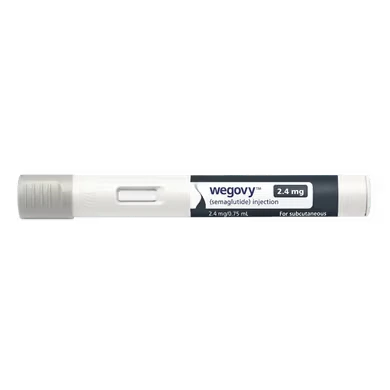
Ozempic is approved for type 2 diabetes, not for weight loss. Taking it to lose weight is off-label, which is legal, extremely common, and a prescriber's decision. The consequence nobody mentions is the ceiling: Ozempic's doses stop at 2 mg while Wegovy, the same molecule approved for weight, goes to 2.4 mg with a 7.2 mg strength above that. Someone using Ozempic for weight eventually runs out of ladder, and switching brand is the usual answer.
- Mounjaro vs Ozempic, and the trial everyone quotes about it
Mounjaro is tirzepatide and Ozempic is semaglutide: different molecules, not two brands of the same drug. Both are approved for type 2 diabetes, and the weight-loss versions are Zepbound and Wegovy. In the one head-to-head trial, SURMOUNT-5, tirzepatide produced 20.2% mean body-weight loss at 72 weeks against semaglutide's 13.7%. The detail almost every page omits: that trial dosed semaglutide to 2.4 mg in people without diabetes, which is the Wegovy range. Ozempic tops out at 2 mg. The famous result did not test Ozempic's dose range.
- Ozempic for type 2 diabetes: the on-label one, and what it costs
Ozempic is approved for adults with type 2 diabetes, to improve blood sugar alongside diet and exercise. That is the indication it was built and priced for, and if you have type 2 diabetes you are in the group the drug is actually for. Doses run 0.25, 0.5, 1 and 2 mg. Novo's published self-pay price is $349 a month up to 1 mg and $499 at 2 mg, with a savings card that can bring an insured copay down to as little as $25, capped at $100 of savings a month. If you are covered, your formulary beats every cash price on this page.
Find more like it
Side effectsDose changeFood, protein and eatingFood noise and cravingsFatigue
Up next
More from this collection







Watched it? See what it costs.
Every GLP-1 program we track, ranked by what actually leaves your account.