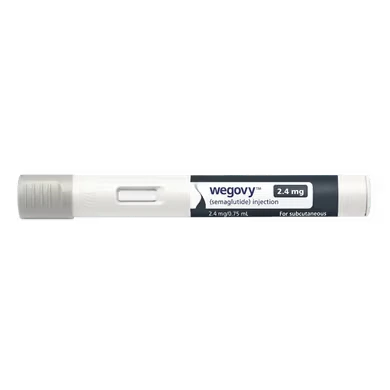

No prescribing label for Ozempic, Wegovy or Zepbound lists tooth damage as a side effect, and no trial has measured it. An October 2026 review in the Journal of Dental Research put it bluntly: "no prospective study has used any dental outcome as an endpoint in patients receiving GLP-1RAs."1 What people call "Ozempic teeth" is damage that dentists trace to side effects the labels do list: vomiting and acid reflux, which put stomach acid on enamel, and dry mouth, which takes away saliva's protection. The same review calls that a "plausible but unquantified risk for tooth erosion and secondary caries".1
So the honest answer has two halves. The drug is not known to attack teeth directly; a second 2026 review says "a direct association with these therapies has not been established."2 But if you are vomiting often, living with reflux, or your mouth feels dry, your teeth are exposed to the same things that damage them in anyone, and the American Dental Association has specific advice for each.
What the labels list that can reach your teeth
None of the labels mention teeth, enamel or cavities. They do list the stomach side effects in detail, and those are where the dental worry starts. All three also say most of these happen while the dose is still being raised.
| Medicine | Stomach side effects in trials | Reflux and dry mouth | When |
|---|---|---|---|
| Ozempic (semaglutide, type 2 diabetes) | Any stomach side effect: 32.7% at 0.5 mg and 36.4% at 1 mg vs 15.3% on placebo3 | Gastroesophageal reflux disease: 1.9% and 1.5% vs 0% on placebo3 | "The majority of reports of nausea, vomiting, and/or diarrhea occurred during dose escalation"3 |
| Wegovy (semaglutide 2.4 mg, weight loss) | 73% vs 47% on placebo; vomiting 25% vs 6%, nausea 44% vs 16%4 | Reflux disease listed among reactions more common than on placebo4 | "Most frequently reported during dosage escalation"4 |
| Zepbound (tirzepatide, weight loss) | 56% at every dose vs 30% on placebo5 | Dry mouth or dry throat: 1% vs 0.1% on placebo5 | Mostly "during dose escalation and decreased over time"5 |
Mounjaro shares Zepbound's molecule and Rybelsus, the Ozempic tablets and the Wegovy pill share Ozempic's, so the same routes apply. Compounded semaglutide and tirzepatide have no FDA label of their own; they are the same molecules.
Three ways a GLP-1 can end up hurting teeth
1. Stomach acid from vomiting and reflux
Enamel dissolves in acid. The ADA describes dental erosion as "progressive, irreversible loss of tooth mineral substance" that "may be caused by intrinsic (e.g., acid reflux and excessive vomiting)" factors, and says reflux disease "is considered a predisposing factor for dental erosion due to chronic regurgitation of gastric contents."6 One bout of nausea in week two is not that. Weeks of frequent vomiting, or reflux that keeps coming back, can be. A 2026 oral medicine review says "gastric acid exposure from reflux or vomiting may increase susceptibility to dental erosion".2
2. Dry mouth
Saliva washes teeth and neutralizes acid. The NIH's dental institute says "dry mouth also increases the risk for tooth decay or fungal infections in the mouth because saliva helps keep harmful germs in check."9 The ADA's own list of medicines that "can contribute to or exacerbate oral dryness" now names "glucagon-like peptide-1 (GLP-1) receptor agonists" alongside antihistamines and antidepressants, and says reduced saliva can "increase the chance of developing dental caries, demineralization of teeth, tooth sensitivity, and/or oral infections."8
The signal for dry mouth is real but thin. Zepbound's label puts it at 1% of patients.5 For semaglutide, a 2023 case series described 3 patients who developed it, all of whom "resumed acceptable salivary flow" after treatment that ranged from stopping the drug to symptom care,10 and an analysis of FDA adverse event reports showed significant signals for semaglutide "in anosmia, dry mouth, dysgeusia".11 Adverse event reports show a pattern worth watching; they cannot tell you how often it happens.
3. Eating, drinking and dehydration
Less appetite often means less water too. The Ozempic Medication Guide warns that "diarrhea, nausea, and vomiting may cause a loss of fluids (dehydration)" and says "it is important for you to drink fluids to help reduce your chance of dehydration."3 The 2026 oral medicine review lists "dehydration secondary to gastrointestinal adverse events" as one of the proposed reasons for dry mouth on these drugs.2 Sipping sugary or acidic drinks all day to get calories in adds to the acid load the ADA warns about.7
What the evidence shows, and what it does not
| Source | What it is | What it showed |
|---|---|---|
| J Dent Res, October 20261 | Critical review across dental fields | Erosion and decay risk "plausible but unquantified"; no prospective study with a dental endpoint |
| J Oral Pathol Med, October 20262 | Review of case reports and adverse event data | Dry mouth, low saliva, taste change and mouth burning reported; a direct link to erosion "has not been established"; evidence "limited and largely indirect" |
| Medicine, 202310 | Case series, 3 patients on semaglutide | Low saliva diagnosed in all three; saliva flow recovered |
| Laryngoscope, 202511 | FDA adverse event reports, five GLP-1 drugs | Reflux signal in every drug; semaglutide signals for dry mouth and taste change |
| Diabetes Res Clin Pract, 202612 | Health-record cohort, 97,993 matched patients per group, type 2 diabetes | Tirzepatide users had fewer recorded tooth extractions (HR 0.89) and less periodontitis (HR 0.70) than other GLP-1 users; needs prospective confirmation |
Two things stand out. First, no study has followed people starting a GLP-1 and checked their teeth, so nobody can give you an honest percentage for "Ozempic teeth". Second, the gum research points the other way: the 2026 dental review says "preclinical evidence consistently demonstrates anti-inflammatory and osteoprotective effects on periodontal and peri-implant tissues",1 though preclinical work is not proof in people. The large 2026 cohort compared tirzepatide with other GLP-1s, not with no drug, and its authors say the associations "require confirmation in prospective studies with systematic dental assessments."12
How to protect your teeth while taking one
These steps are what the ADA and NIDCR advise for acid and dry mouth in general; they are not specific to GLP-1s, because no GLP-1-specific dental guidance exists yet.
| Problem | What the source advises |
|---|---|
| After vomiting | "Rinse the mouth with water, a sodium bicarbonate rinse, or milk"; the ADA cautions against "brushing their teeth immediately after vomiting"7 |
| After acidic drinks | "Rinse with water rather than brushing teeth immediately"7 |
| Daily brushing | "A soft-bristle brush and fluoride toothpaste"7 |
| Dry mouth | Water ("8 to 12 cups per day"), sugarless gum, and avoiding tobacco and alcohol9; sugar-free gum also helps saliva buffer acid7 |
| Dry mouth that does not settle | The doctor or dentist may suggest "changing medications or adjusting the dosages, or may prescribe a saliva substitute"9 |
| Vomiting or stomach problems that persist | Zepbound's Medication Guide: "Tell your healthcare provider if you have stomach problems that are severe or will not go away"5 |
Tell your dentist you take a GLP-1 and how long you have been on it. The 2026 oral medicine review asks clinicians for "careful medication history-taking, assessment of salivary function, and individualized preventive care",2 and a dentist can only do that if they know. One who does can look for early erosion before it turns into sensitivity.
Should you stop because of your teeth?
That is a decision for your prescriber, not this page. Most of the stomach side effects that drive the dental risk happen during dose increases and fade over time on every label,345 and a slower climb up the dose ladder is one of the things a prescriber can change. Dry mouth that started on the drug improved in the reported cases.10 Nobody has measured whether stopping protects teeth, because nobody has measured teeth at all.1
The appearance changes people often bundle with this, such as a hollower face after fast weight loss, are a different question; see Ozempic face. For the full side-effect lists, see Ozempic side effects and Zepbound side effects, and for managing the stomach symptoms themselves, the nausea, constipation and diarrhea guide. Legal claims over GLP-1 side effects are covered in the Ozempic lawsuit guide.
What it costs
Dental care is a separate bill; the medicine is the one we track. On our board today the cheapest cash GLP-1 program is $69 a month, compounded semaglutide starts at $69, and the middle of the board is $158. A licensed clinician decides whether you qualify, and compounded versions are not FDA approved.
For one molecule, see cheapest semaglutide and cheapest tirzepatide, both checked against the sellers' own pages.