




GLP-1 TV · News & media
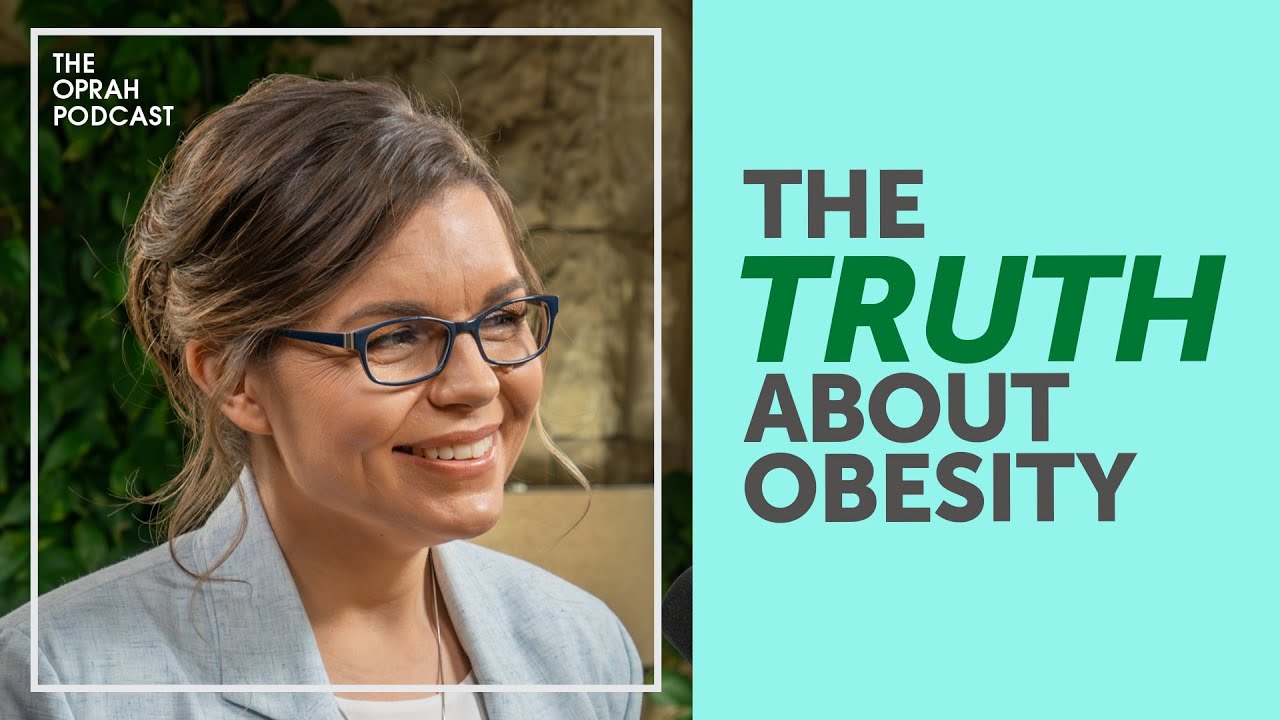
Oprah and Yale Researcher Break Down How Weight Loss Drugs Affect the Brain
Today’s cheapest GLP-1$39/mo at Wellmedr, sale price.Compare all GLP-1 prices Price read 22 Nov 2026 from the seller’s own page, ranked by price alone. That price is a compounded drug, and compounded drugs are not FDA-approved. Not from the video’s creator.Our summary
The channel talks with the speaker, an endocrinologist at the Yale School of Medicine who she says has studied GLP-1 medications for more than 20 years. The doctor explains that obesity is a neurometabolic disease driven by biology, not a choice. She says hormones released when we eat tell the brain how much energy and fat to store, and that an environment with ultra-processed food, poor sleep, stress and little activity pushes the body to defend a higher "set point" of fat mass. She describes the medicines as acting on the same brain receptors, including reward and motivation areas, to lower that set point.
As published by the channel. Not medical advice, and not an endorsement.
What else the video covers
Three guests who use GLP-1 medications join by video. Another speaker says she began Mounjaro in March 2023, lost 160 lb in one year, and has kept the weight off for about a year. She describes the end of constant "food noise" and the shaming she still sees online. Amina, who has lost 50 pounds since January, asks whether she must stay on the medicine for life. Emma, on Zepbound for 10 months and down 66 pounds, asks about long-term effects.
The speaker answers that in trials and in her clinic, weight returns for most people when the medicine stops, much as blood pressure rises when blood pressure medicine stops. She says she sometimes lowers the dose by one step and rechecks in two to three months. She notes GLP-1 receptor agonists were first FDA approved in 2005, says trials continue to monitor safety, and says the most common side effects are nausea, diarrhea, constipation and vomiting. She recommends starting at a low dose and going up slowly. She also says hair loss can follow large, fast weight loss.
Our summary of what is said, in our words. Doses, results and prices are the speaker’s, not advice.
Takeaways
The main points, in the order they come up. Tap a time to play from there.
- 2:31 The speaker says obesity is a disease of biology in which hormones and the brain defend a higher amount of stored fat, shaped by today's food and lifestyle environment.
- 16:02 She compares obesity treatment to treating high blood pressure or diabetes, with medicine alongside diet and exercise, and says this is not the easy way out.
- 20:45 She explains that the medicines act on brain receptors to lower the defended fat mass, so people eat less while losing weight and then settle at a new plateau.
- 33:00 She says most patients need to keep taking the medicine, citing a 3-year trial where weight was kept off on treatment and regained after stopping.
- 43:25 The speaker notes GLP-1 receptor agonists were first FDA approved in 2005 and says ongoing trials and real-world data are needed for long-term monitoring.
- 49:00 She lists nausea, diarrhea, constipation and vomiting as the most common side effects and advises starting low and going slow.
Key moments
Tap one to play from there.
- 0:00 Welcome another speaker
- 1:34 The difference between obesity and being overweight
- 3:14 Is obesity a disease?
- 5:33 Why are some people prone to obesity and not others?
- 8:28 How your brain plays a role in obesity
- 10:31 We eat more food than our bodies need
- 13:00 The channel shares about being publicly shamed for her weight
- 14:20 Can we control our weight?
What the video says
As stated in the video, not checked by us. Doses and results are the speaker’s, not advice.
- Weight loss mentioned
- 160 lb
- Side effects mentioned
- nausea, vomiting, diarrhea, fatigue and hair loss
Questions this video answers
Do you have to stay on GLP-1 medication forever?
The speaker says obesity is a chronic disease, and that in a 3-year trial and in her clinic most people regained weight after stopping. She sometimes lowers the dose by one step and rechecks in two to three months, and raises it again if weight or food noise returns.
Why do GLP-1 medications reduce food noise and cravings?
The doctor explains the medicines target the same receptors in the brain as the body's nutrient-stimulated hormones, including reward and motivation regions. She says they lower the body's defended fat mass or set point, which is why people eat less during the weight loss phase.
What are the most common side effects of GLP-1 weight loss medications?
The speaker says the most common are gastrointestinal: nausea, diarrhea, constipation and, for some people, vomiting. She says providers can reduce them by starting low, going slow and not raising the dose when a patient has nausea.
Can GLP-1 medications cause hair loss?
The speaker says it depends on how much weight is lost and how fast, because weight loss is a stress on the body. She says similar hair loss has been seen after bariatric surgery.
Videos on the same question
The closest videos in the library by what is said in them, not by title.
 Should You Take Weight Loss Drugs?In this video, the speaker responds to a debate in the fitness world over weight loss drugs versus lifestyle choices.
- Already on a GLP-1? What your next month costs at every programToday’s lowest is $39/mo. Every program ranked by price alone. Compounded drugs are not FDA-approved.
 Are We Using GLP-1 Medications All Wrong? with Dr. Ben BikmanIn this interview on the channel, the speaker, a BYU professor and researcher who specializes in insulin and metabolic health, argues that GLP-1 medications are currently used at doses that are too high and are framed as weight loss drugs.
 WHY Do You Gain Weight After Stopping GLP-1? (Obesity Doctor)The speaker, who says she prescribes GLP-1 medications regularly, answers a frequently requested question: why does weight come back after someone stops a GLP-1 medication?
 All About Semaglutide, Ozempic, Wegovy and RybelsusThis is a podcast conversation in which the channel's chief medical officer, another speaker, interviews the speaker, the clinic's director of weight management.
 Ozempic For Weight Loss What You Need To Know Before Using It! | Jessie Inchauspé & Dr. Mindy PelzIn this conversation, the channel and author the speakeré discuss what people should understand before using Ozempic or other GLP-1 agonist medications for weight loss.
 APA TV x Psychiatric News - How GLP-1 Agonists might Treat Alcohol and Substance Use DisordersIn this interview from APA TV and Psychiatric News, a psychiatrist explains why GLP-1 agonists, normally discussed for diabetes and weight loss, are drawing interest in addiction medicine.
Read next
Our guides closest to what this video covers, with prices checked weekly.
- What is GLP-1? The hormone, how the drugs work, and every GLP-1 medication on the market
GLP-1 stands for glucagon-like peptide-1, a hormone your gut releases after you eat. It tells the pancreas to release insulin when blood sugar is high, holds back glucagon, slows how fast the stomach empties, and acts on the parts of the brain that regulate appetite. GLP-1 drugs copy that hormone but last far longer: a week for the injections, a day for the pills. Seven brands are on the US market, from Ozempic and Mounjaro for type 2 diabetes to Wegovy, Zepbound and Foundayo for weight loss.
- GLP-1 vs GLP-2 vs GLP-3: what the names mean, and which ones you can actually buy
GLP-1 drugs such as semaglutide act on one receptor. "GLP-2" is used online for tirzepatide (Zepbound, Mounjaro), which acts on two, GIP and GLP-1, and "GLP-3" for retatrutide, which adds the glucagon receptor. Neither nickname is the real name: GLP-2 is a separate gut hormone whose drug, Gattex, treats short bowel syndrome. Retatrutide produced 28.3% mean weight loss at 80 weeks in its phase 3 trial but is not FDA-approved; Lilly plans to file in Q1 2027. Tirzepatide is the strongest option you can buy today.
- GLP-1s for binge eating: what semaglutide, liraglutide and tirzepatide trials show
No GLP-1 is FDA approved for binge eating disorder; the only approved drug is lisdexamfetamine (Vyvanse). A 2026 meta-analysis of 25 randomized trials reports moderate drops in binge eating on GLP-1s, larger in people diagnosed with the disorder, but rates every trial at high risk or some concerns of bias. The one placebo-controlled liraglutide trial in diagnosed BED showed no significant difference. A tirzepatide versus Vyvanse trial is recruiting.
Next steps
Find more like it
Side effectsDose changeWeigh-in and resultsFood noise and cravingsMood and mental healthExercise and strengthAlcoholStopping and maintenanceHow it worksThe trials
Up next
More from this collection








Watched it? See what it costs.
Every GLP-1 program we track, ranked by what actually leaves your account.