GLP-1 TV · Clinician · views checked Oct 2026
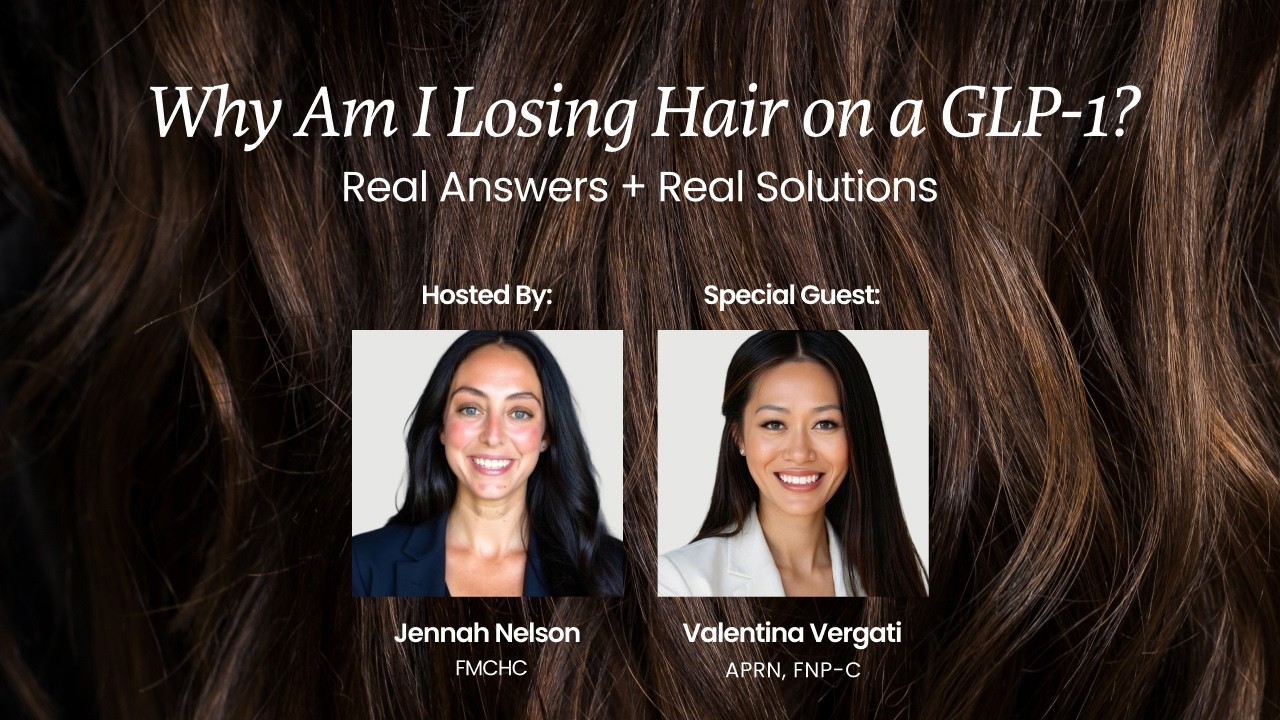
Why Am I Losing Hair on a GLP-1? Real Answers & Real Solutions | Ivim Health
Our summary
This is a live webinar from Ivím Health in which a nurse practitioner, Valentina Vergati, answers questions about hair shedding during GLP-1 treatment. She explains that the shedding is called telogen effluvium and says it is usually not caused directly by the GLP-1 itself. In her account it comes from rapid weight loss, a large calorie reduction, nutrient deficiencies and stress. She says the hair usually grows back and that it can take two to four months after a trigger before shedding shows up.
General education as published by the channel. Not medical advice, and not an endorsement.
Where GLP-1 costs least today
The three cheapest partner programs for GLP-1, all in per month, checked weekly.



What else the video covers
Most of the session covers what she suggests doing. She and the host recommend hitting protein goals, eating nutrient-dense foods, drinking enough water, sleeping well and managing stress. She advises asking a provider for individual lab work such as vitamin D, B vitamins, zinc and an omega index, rather than taking supplements like biotin without knowing whether you are deficient. She also recommends a high-quality, third-party tested multivitamin and says to check where an active ingredient sits on a product's ingredient list. She describes red light therapy, scalp massage, and microneedling with a derma roller on a clean scalp as ways to raise blood flow, with topical serums or a copper peptide spray applied afterward. The presenters mention Ivím's own copper peptide spray and discount for members. She says minoxidil can help if needed but should be discussed with a primary care provider first.
She also covers pacing: she says slower dose increases may reduce the shock to the body, and that hair should return once weight stabilizes. Practical tips include loose hairstyles, avoiding harsh chemicals and high heat, and using a clarifying shampoo. The host stresses that the session is educational and not medical advice.
Our summary of what is said, in our words. Doses, results and prices are the speaker’s, not advice.
Takeaways
The main points, in the order they come up. Tap a time to play from there.
- 5:05 Valentina says the shedding is telogen effluvium, which she links to rapid weight loss, big calorie cuts, nutrient gaps and stress rather than directly to the GLP-1.
- 11:30 She advises against panicking and against trying many products at once, and suggests changing one thing at a time.
- 13:00 She recommends tracking protein, eating nutrient-dense foods and drinking enough water, and asking for individual lab work instead of guessing at supplements.
- 22:00 She says shedding typically appears two to four months after a trigger, and patchy loss or an irritated scalp may need a closer look.
- 36:15 She describes red light therapy, microneedling and scalp massage as ways to raise blood flow, and says consistency matters because hair cycles are slow.
- 40:00 She says hair should return once weight stabilizes, and that slower dose increases may be gentler on the body.
Key moments
Where the talk turns, found in the captions. Tap one to play from there.
What the video says
As stated in the video, not checked by us. Doses and results are the speaker’s, not advice.
- Side effects mentioned
- hair loss and dizziness
- Who is speaking
- Clinician
Questions this video answers
Why does hair fall out on a GLP-1?
According to Valentina Vergati, NP, the shedding is telogen effluvium, which she says is not directly caused by the GLP-1. She links it to rapid weight loss, major calorie reduction, nutrient deficiencies and stress.
Does hair grow back after GLP-1 hair loss?
She says yes, once weight stabilizes and the body adjusts. She notes that regrowth takes time, and that it can feel longer for people with long hair.
How soon does hair shedding start after a trigger like rapid weight loss?
She says it usually shows up about two to four months after a triggering event because of how hair follicle cycles work. She adds that by the time shedding is noticed, a person is already behind in addressing it.
Should I take biotin for GLP-1 hair loss?
She says biotin helps if you are deficient but is largely wasted if you are not, and that it can cause acne in some people. She suggests asking a provider for lab work to find out what you are actually low in.
Videos on the same question
The closest videos in the library by what is said in them, not by title.
 How to Stop Hair Loss on GLP-1 Medications (Doctor’s Advice)Dr. Spencer Nadolsky explains how he approaches hair loss in patients taking GLP-1 medicines.
 GLP-1 Hair Loss (Ozempic, WeGovy, Zepbound, Mounjaro, etc)In this video from the Deeper Than Hair TV channel, a hair stylist talks about hair loss in people taking GLP-1 medications while she finishes a silk press on a client who is not on one.
 Weight Loss Doctor Explains Hair Loss on Ozempic or Mounjaro: Here's What's Really Going OnDr. Bazgha Khalid, who says she prescribes GLP-1 medications in her clinical practice, explains why some people notice more hair shedding on drugs such as Ozempic, Zepbound and Mounjaro.
 Hair Falling Out on Zepbound? Here's What Nobody Told YouLorraine Durham, host of The Downsized, says she has lost over 50 lb on tirzepatide and has kept the weight off with a weekly shot for more than 2 years.
Read next
Our guides closest to what this video covers, with prices checked weekly.
- GLP-1 hair loss: what is actually going on
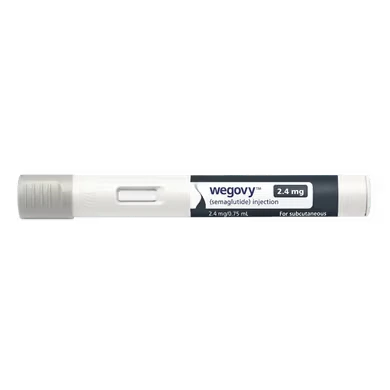
Hair shedding on a GLP-1 is real, and the labels now count it: 3.3% of people on Wegovy 2.4 mg and 5.8% on 7.2 mg, against 1% on placebo, most of them women. Wegovy's and Zepbound's labels both say it was associated with weight reduction. Rapid weight loss is a long-recognised trigger for a temporary shedding phase, after bariatric surgery and crash dieting too. Two things make it more likely: how fast you are losing, and whether you eat enough protein and micronutrients.
- Stopping a GLP-1: what the withdrawal trials found, and what a maintenance dose actually is
Two trials have measured what happens when you stop. On semaglutide, people who lost 17.3% over 68 weeks regained two-thirds of it in the year after stopping, ending 5.6% below where they started. On tirzepatide, people who lost 20.9% in 36 weeks regained 14% over the next year on placebo while those who continued lost a further 5.5%. Both labels are explicit that these drugs are for maintaining weight reduction long term, which is a different claim from finishing a course. A maintenance dose is simply the dose you stay on; the labels do not define a lower one to step down to at goal.
- GLP-1 vs GLP-2 vs GLP-3: what the names mean, and which ones you can actually buy
GLP-1 drugs such as semaglutide act on one receptor. "GLP-2" is used online for tirzepatide (Zepbound, Mounjaro), which acts on two, GIP and GLP-1, and "GLP-3" for retatrutide, which adds the glucagon receptor. Neither nickname is the real name: GLP-2 is a separate gut hormone whose drug, Gattex, treats short bowel syndrome. Retatrutide produced 28.3% mean weight loss at 80 weeks in its phase 3 trial but is not FDA-approved; Lilly plans to file in Q1 2027. Tirzepatide is the strongest option you can buy today.
Find more like it
Side effectsDose changeFood, protein and eatingCost and insuranceExercise and strengthHair lossDizziness
Up next
More from this collection



Watched it? See what it costs.
Every GLP-1 program we track, ranked by what actually leaves your account.