GLP-1 TV · Patient story · views checked Oct 2026
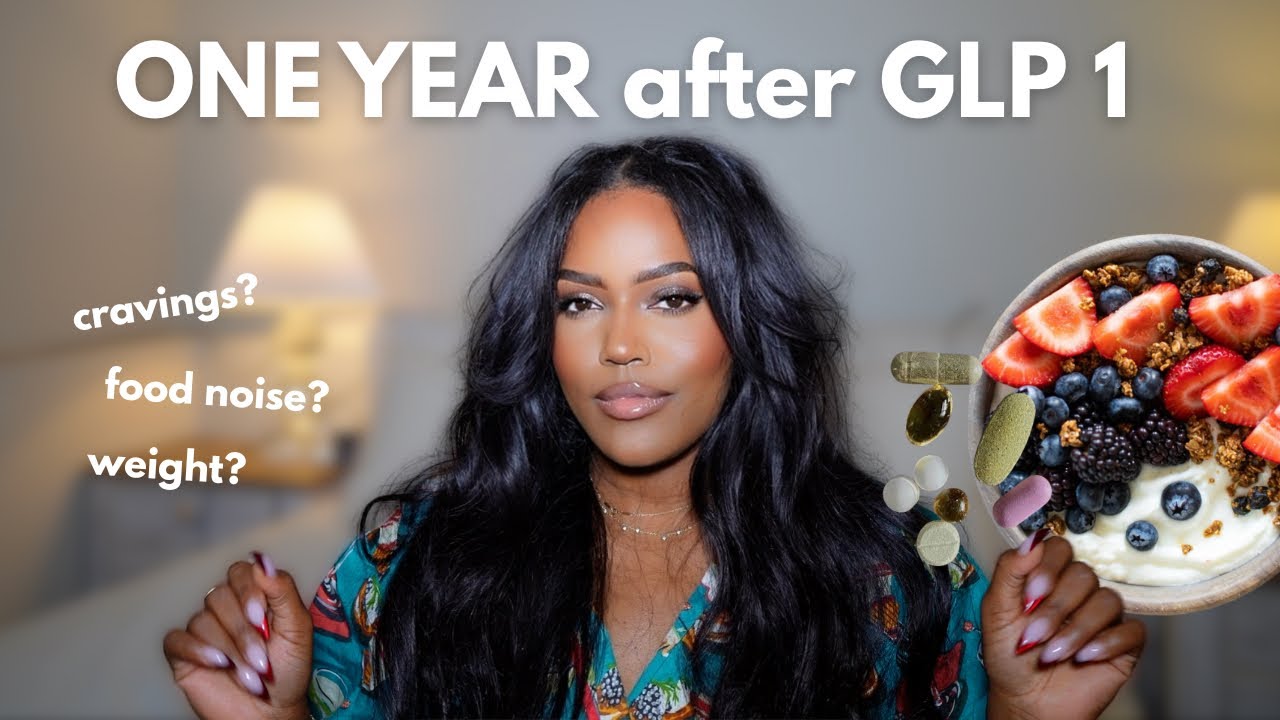
GLP-1 After 1 Year Off | GAINING WEIGHT, THE MYTHS, WHATS WORKING FOR ME
Our summary
Jasmine says she took a GLP-1 medication from summer 2023 until November or December 2024, about a year and a half, and has now been off it for a year. She stopped because she felt she was plateauing and wanted to try managing on her own. She says coming off was hard but not as extreme as people made it sound, and she shares five habits that made it more manageable. She does not name the medication or give doses.
One person's experience, in their words. Not medical advice.
Where GLP-1 costs least today
The three cheapest partner programs for GLP-1, all in per month, checked weekly.



What else the video covers
The first part of the video is a sponsored segment for Nourish, a service she describes as a way to see a registered dietitian over Zoom, with insurance coverage. She says it was her first time seeing a dietitian and that she came away with tips she had not known. Two came from that appointment: eating protein in the morning instead of skipping breakfast because of cortisol, and eating protein before a carbohydrate to soften an insulin spike. She says the morning protein cut her cravings, and the protein-first habit reduced the spike and crash she used to get.
She also describes cravings and food noise as higher after stopping, though lower than before she started the medication. She calls the claim that people regain triple their lost weight a myth and says it did not happen to her, though she did regain some weight. Her other habits are daily supplements (vitamin D, fish oil or omega-3s, a multivitamin, and others), a 10k step daily goal plus weightlifting to rebuild lost muscle, and about 30 minutes of daily meditation. She says that combined, these have given her days with no food noise.
Our summary of what is said, in our words. Doses, results and prices are the speaker’s, not advice.
Takeaways
The main points, in the order they come up. Tap a time to play from there.
- 0:00 Jasmine says she used a GLP-1 medication from summer 2023 to late 2024, then stopped after feeling she had plateaued.
- 0:03 She says her dietitian told her skipping breakfast works against her because of cortisol, so she now eats protein in the morning to reduce cravings.
- 0:05 She says she regained some weight but nowhere near the triple amount she heard people predict, though cravings and some food noise returned.
- 0:06 She says eating protein such as nuts, Greek yogurt or string cheese before a carb reduced her insulin spike and crash.
- 0:07 She says she stays consistent with supplements including vitamin D, fish oil and a multivitamin, and links vitamin D to her PCOS symptoms.
- 0:09 She describes aiming for 10k steps daily, lifting weights to rebuild lost muscle, and meditating about 30 minutes a day, and says the five habits together helped control cravings.
Key moments
From the creator's own chapters. Tap one to play from there.
What the video says
As stated in the video, not checked by us. Doses and results are the speaker’s, not advice.
- Point in the journey
- Year 1
- Side effects mentioned
- muscle loss
- Who is speaking
- Patient
Questions this video answers
Did she gain weight back after stopping a GLP-1?
Jasmine says she did gain some weight back after a year off the medication. She says it was nowhere near the triple amount she had heard people predict, which she calls a myth.
Do cravings and food noise come back after stopping a GLP-1?
She says her cravings increased after stopping, though not to where they were before she started the medication. She reports some food noise remains, and says protein in the morning and before carbs helped her manage it.
What does she do to manage cravings after coming off a GLP-1?
She lists protein at breakfast, protein before carbohydrates, regular supplements, 10k daily steps with weightlifting, and daily meditation. She says using all five together gave her days with zero food noise.
Why did she say skipping breakfast was a mistake?
She says her dietitian explained that skipping morning protein works against her because of cortisol. She had skipped breakfast to eat fewer calories, but now eats protein early and says it lowers her cravings through the day.
Videos on the same question
The closest videos in the library by what is said in them, not by title.
 I Stopped GLP-1: Here's What REALLY HappenedYolanda, a creator who makes content for midlife women using GLP-1 medications, describes what happened to her weight after she stopped.
 I TRIED A GLP-1 FOR 3 MONTHS!Jaclyn Hill, a beauty creator, documents about three months on a GLP-1 medication, starting in January and wrapping up at the beginning of May.
 How I Weaned Off My GLP-1 | Tirzepatide Weight Loss And MaintenanceMadison Shari describes how she stopped taking compounded tirzepatide after six months.
 GLP-1 Maintenance: The Next Step in Your Weight Loss JourneyAnna, a registered dietitian who says she has used a GLP-1 medication on and off for two years, explains that no established protocol exists for coming off these drugs after reaching a goal weight.
 The Doctor Who Took Weight Loss Medication | Dr. Christle GuevarraIn this interview on Doctor Mike's Checkup podcast, Dr. Christle Guevarra describes a lifelong struggle with intense hunger.
 CoreAge Rx Reviews: Vanessa's GLP-1 Journey & the Community That Shows UpVanessa introduces herself as a member of the CoreAge Rx community and says she is in her second round of GLP-1 treatment, taken for weight loss and joint pain.
Read next
Our guides closest to what this video covers, with prices checked weekly.
- Stopping a GLP-1: what the withdrawal trials found, and what a maintenance dose actually is
Two trials have measured what happens when you stop. On semaglutide, people who lost 17.3% over 68 weeks regained two-thirds of it in the year after stopping, ending 5.6% below where they started. On tirzepatide, people who lost 20.9% in 36 weeks regained 14% over the next year on placebo while those who continued lost a further 5.5%. Both labels are explicit that these drugs are for maintaining weight reduction long term, which is a different claim from finishing a course. A maintenance dose is simply the dose you stay on; the labels do not define a lower one to step down to at goal.
- GLP-1 vs GLP-2 vs GLP-3: what the names mean, and which ones you can actually buy
GLP-1 drugs such as semaglutide act on one receptor. "GLP-2" is used online for tirzepatide (Zepbound, Mounjaro), which acts on two, GIP and GLP-1, and "GLP-3" for retatrutide, which adds the glucagon receptor. Neither nickname is the real name: GLP-2 is a separate gut hormone whose drug, Gattex, treats short bowel syndrome. Retatrutide produced 28.3% mean weight loss at 80 weeks in its phase 3 trial but is not FDA-approved; Lilly plans to file in Q1 2027. Tirzepatide is the strongest option you can buy today.
- What is GLP-1? The hormone, how the drugs work, and every GLP-1 medication on the market
GLP-1 stands for glucagon-like peptide-1, a hormone your gut releases after you eat. It tells the pancreas to release insulin when blood sugar is high, holds back glucagon, slows how fast the stomach empties, and acts on the parts of the brain that regulate appetite. GLP-1 drugs copy that hormone but last far longer: a week for the injections, a day for the pills. Seven brands are on the US market, from Ozempic and Mounjaro for type 2 diabetes to Wegovy, Zepbound and Foundayo for weight loss.
Find more like it
Dose changeFood, protein and eatingFood noise and cravingsCost and insuranceExercise and strengthHow it worksMuscle loss
Up next
More from this collection




Watched it? See what it costs.
Every GLP-1 program we track, ranked by what actually leaves your account.