Ozempic vs Mounjaro: Which Costs Less Per Pound Lost? (2026)
On paper, the monthly price tags almost match — Ozempic lists around $998 and Mounjaro around $1,023. So the real question for your wallet is not just "which is cheaper," but which one delivers more weight loss and blood sugar control for nearly the same spend. That comes down to a single difference in how each drug works.


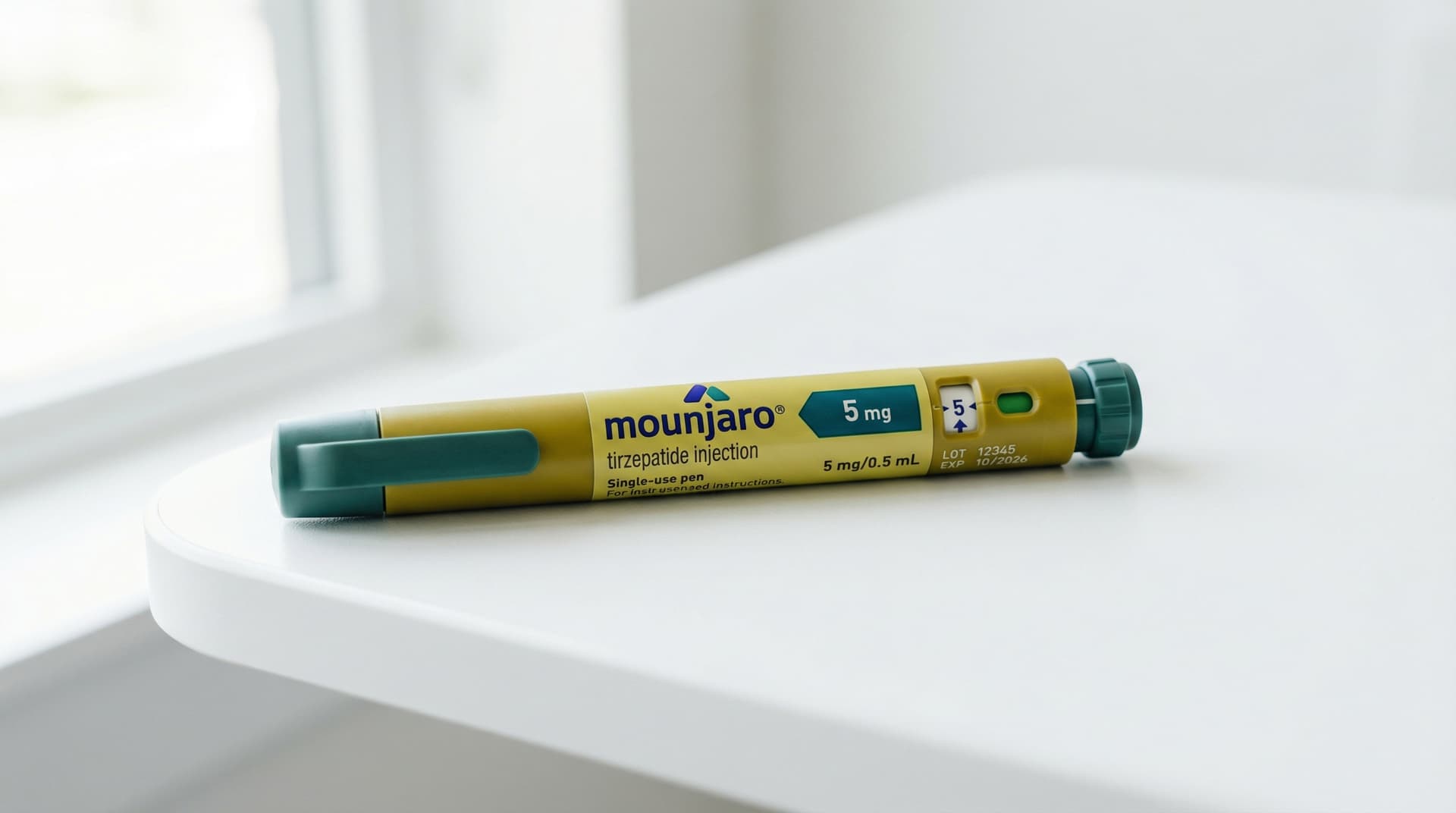
The Quick Verdict on Value
Cash prices are practically a tie: Ozempic runs about $998/mo and Mounjaro about $1,023/mo without insurance — a $25 gap. The value difference shows up in results, not the receipt.Mounjaro (tirzepatide) averages 15-22% body-weight loss versus Ozempic's (semaglutide) 8-14%, thanks to its dual GLP-1/GIP mechanism, and it edges Ozempic on A1C too. Both are FDA-approved for type 2 diabetes. So per dollar spent, Mounjaro tends to buy more weight loss — but your actual out-of-pocket cost hinges on insurance, savings cards, and how your body responds.
One Hormone vs Two: Why Results Diverge
Since the two drugs cost almost the same, what justifies paying for one over the other is the biology underneath. The gap in results traces back entirely to which receptors each molecule switches on.
Ozempic (semaglutide) acts on a single target: the GLP-1 receptor. It copies the GLP-1 hormone your gut releases after a meal, which keeps food in your stomach longer, dials down hunger signals in the brain, and nudges insulin up while pushing glucagon down to steady blood sugar.
Mounjaro (tirzepatide) was the first medicine to hit two receptors at once — GLP-1 and GIP (glucose-dependent insulinotropic polypeptide). It does everything semaglutide does, then adds GIP signaling, which strengthens the insulin response, helps the body handle fat more efficiently, and may further influence appetite and how much energy you burn.
A simple way to picture it: Ozempic flips one switch on the appetite-and-metabolism board, while Mounjaro flips two at the same time. When both switches are on, the effect appears to compound — the pair working together outperforms either signal on its own, and that is what shows up as extra pounds lost for roughly the same monthly bill.
GLP-1 receptor agonist (single)
- Slows gastric emptying
- Reduces appetite centrally
- Stimulates insulin release
- Suppresses glucagon secretion
Dual GLP-1/GIP receptor agonist
- All GLP-1 effects (same as Ozempic)
- Enhanced insulin secretion via GIP
- Improved fat metabolism
- Additional appetite and energy regulation
Price & Spec Comparison
| Feature | Ozempic | Mounjaro |
|---|---|---|
| Active Ingredient | Semaglutide | Tirzepatide |
| Drug Class | GLP-1 receptor agonist | Dual GLP-1/GIP receptor agonist |
| Manufacturer | Novo Nordisk | Eli Lilly |
| FDA-Approved For | Type 2 diabetes | Type 2 diabetes |
| FDA Approval Date | December 2017 | May 2022 |
| Dose Range | 0.25, 0.5, 1.0, 2.0 mg | 2.5, 5, 7.5, 10, 12.5, 15 mg |
| Average Weight Loss | 8-14% | 15-22% |
| A1C Reduction | 1.0-1.8% | 1.9-2.4% |
| Administration | Weekly injection (pen) | Weekly injection (pen) |
| Monthly Cost (no insurance) | ~$998 | ~$1,023 |
| Weight Loss Version | Wegovy (semaglutide 2.4mg) | Zepbound (tirzepatide) |
| Cardiovascular Benefit | Proven (SELECT trial) | Under study (SURPASS-CVOT) |
- Ozempic
- Semaglutide
- Mounjaro
- Tirzepatide
- Ozempic
- GLP-1 receptor agonist
- Mounjaro
- Dual GLP-1/GIP receptor agonist
- Ozempic
- Novo Nordisk
- Mounjaro
- Eli Lilly
- Ozempic
- Type 2 diabetes
- Mounjaro
- Type 2 diabetes
- Ozempic
- December 2017
- Mounjaro
- May 2022
- Ozempic
- 0.25, 0.5, 1.0, 2.0 mg
- Mounjaro
- 2.5, 5, 7.5, 10, 12.5, 15 mg
- Ozempic
- 8-14%
- Mounjaro
- 15-22%
- Ozempic
- 1.0-1.8%
- Mounjaro
- 1.9-2.4%
- Ozempic
- Weekly injection (pen)
- Mounjaro
- Weekly injection (pen)
- Ozempic
- ~$998
- Mounjaro
- ~$1,023
- Ozempic
- Wegovy (semaglutide 2.4mg)
- Mounjaro
- Zepbound (tirzepatide)
- Ozempic
- Proven (SELECT trial)
- Mounjaro
- Under study (SURPASS-CVOT)
Prices reflect typical self-pay costs without insurance. Weight loss figures from clinical trials; individual results vary. Last updated April 2026.
What Each Is Approved For
Approval status matters for your costs because it drives whether insurance will pay. Both Ozempic and Mounjaro carry FDA approval for type 2 diabetes only — not weight loss. Doctors still prescribe both off-label to slim down, and each has a sibling drug built specifically for weight management:
- Ozempic (semaglutide) — approved December 2017 for type 2 diabetes. Its weight loss counterpart is Wegovy (semaglutide 2.4mg), approved June 2021 for chronic weight management.
- Mounjaro (tirzepatide) — approved May 2022 for type 2 diabetes. Its weight loss counterpart is Zepbound (tirzepatide), approved November 2023 for chronic weight management.
If weight loss is your aim and you do not have type 2 diabetes, a doctor can write either Ozempic or Mounjaro off-label, or steer you to the on-label options (Wegovy or Zepbound). The on-label pair usually fares better with insurers covering obesity treatment, which can dramatically change what you actually pay versus the list price.
One difference worth weighing beyond price: semaglutide (Ozempic/Wegovy) already has documented heart-protective effects from the SELECT trial, which earned Wegovy a cardiovascular risk-reduction label. Tirzepatide (Mounjaro/Zepbound) is still being tested in the SURPASS-CVOT trial, with data due in 2026-2027. The early read is encouraging, but its cardiovascular payoff is not yet confirmed.
Pounds Per Dollar: Weight Loss
- --SUSTAIN trials at 1.0-2.0mg doses
- --~15 lbs at 1mg, ~22 lbs at 2mg
- --Studied primarily in diabetes patients
- --SURMOUNT trials at 10-15mg doses
- --~52 lbs average at highest dose (72 weeks)
- --Over one-third lost 25%+ of body weight
The headline evidence for tirzepatide is the SURMOUNT-1 trial. It put 2,539 adults with obesity or overweight (and no diabetes) on tirzepatide 5mg, 10mg, 15mg, or a placebo. By the 72-week mark the spread looked like this:
- Tirzepatide 5mg: 15.0% average weight loss
- Tirzepatide 10mg: 19.5% average weight loss
- Tirzepatide 15mg: 20.9% average weight loss
- Placebo: 3.1% average weight loss
By way of contrast, Wegovy (semaglutide 2.4mg — the weight-loss form of Ozempic's ingredient) landed at 14.9% average loss over 68 weeks in the STEP 1 trial. These are separate studies with different patient groups, so it is not a clean apples-to-apples line-up, yet the margin is wide enough that most clinicians rank tirzepatide ahead for shedding weight. For a near-identical monthly cost, that is more result per dollar.
There is one true head-to-head, and it favors tirzepatide: the SURPASS-2 trial pitted it directly against semaglutide 1mg (an Ozempic dose) in people with type 2 diabetes. Every tirzepatide dose — 5mg, 10mg, and 15mg — beat semaglutide 1mg on both weight loss and A1C reduction.
Blood Sugar Control
If you have type 2 diabetes, lowering A1C is the main job you are paying for, and it is where insurance coverage is strongest for both drugs. Each one works well — but Mounjaro keeps pulling slightly ahead:
- Ozempic reduces A1C by approximately 1.0-1.8 percentage points depending on dose (SUSTAIN trials). At the 1mg dose, average A1C reduction was 1.5-1.8%.
- Mounjaro reduces A1C by approximately 1.9-2.4 percentage points (SURPASS trials). At the 15mg dose, average A1C reduction was up to 2.4%.
When they were tested side by side in SURPASS-2, every Mounjaro dose (5mg, 10mg, 15mg) out-lowered Ozempic 1mg on A1C. The top Mounjaro dose brought average A1C down to 5.5% — under the 6.5% diagnostic line for diabetes — so a meaningful share of patients essentially reached remission territory.
One caveat: SURPASS-2 measured Mounjaro against semaglutide at 1mg, not the later 2mg dose. The 2mg Ozempic option narrows the distance, but cross-trial numbers still suggest it falls a bit short of the higher Mounjaro doses on A1C — again, comparable price, slightly more glucose control.
Side Effects, Head to Head
Because both drugs lean on the GLP-1 receptor, their tolerability looks broadly alike. For either one, the complaints you are most likely to hear about are stomach-related.
Common Side Effects
- Ozempic
- 15-20%
- Mounjaro
- 12-18%
- Ozempic
- 8-10%
- Mounjaro
- 12-17%
- Ozempic
- 5-9%
- Mounjaro
- 5-9%
- Ozempic
- 5-8%
- Mounjaro
- 6-7%
- Ozempic
- 6-7%
- Mounjaro
- 5-8%
- Ozempic
- 6-9%
- Mounjaro
- 5-9%
- Ozempic
- 0.2-1%
- Mounjaro
- 2-3%
Net-net, the digestive side effects land in the same ballpark. Mounjaro tends to bring a touch more diarrhea and a touch less nausea than Ozempic, but the gaps are minor and shift from study to study. For both, symptoms peak while you are climbing to your target dose and usually settle once you hold steady.
Trial dropout from side effects was close, too — somewhere around 4-7% of participants stopped because of adverse events on either drug. That is a low quit rate for medicines known for GI effects.
Serious Risks
The serious-warning lists overlap almost exactly: a boxed warning for thyroid C-cell tumor risk (based on animal data), plus pancreatitis, gallbladder problems, and acute kidney injury. Anyone with a personal or family history of medullary thyroid carcinoma or Multiple Endocrine Neoplasia type 2 should avoid both.
Note on tolerability:Bodies react differently. Plenty of people sail through Ozempic but struggle on Mounjaro, and the reverse happens just as often. If one leaves you with side effects you can't live with, swapping to the other is a sensible move — just make the call with your healthcare provider.
Real Cost, Coverage & Savings Cards
Strip away insurance and the two land within $25 of each other — close enough that price alone rarely decides it:
- Ozempic: approximately $998 per month (list price)
- Mounjaro: approximately $1,023 per month (list price)
What you actually pay swings hugely on your plan and your diagnosis:
- With type 2 diabetes diagnosis: Both are generally covered by most commercial insurance plans. Copays typically range from $25-$150/month after prior authorization.
- For weight loss (off-label): Coverage is inconsistent. Some plans cover off-label use, others require the weight-loss-specific versions (Wegovy or Zepbound). Coverage for anti-obesity medications has been expanding in 2025-2026.
- Medicare: Both are covered under Part D for diabetes. Weight loss coverage begins July 1, 2026 through the Medicare GLP-1 Bridge program at $50/month.
Savings Cards That Slash the Copay
If you have commercial insurance, each maker hands out a copay savings card that can drop your monthly bill dramatically:
- Ozempic Savings Card: Copay as low as $25/month for up to 24 months
- Mounjaro Savings Card: Copay as low as $25/month for up to 12 months
Paying fully out of pocket? The on-label weight-loss versions are often the cheaper route: Oral Wegovy starts at $149/month, and Zepbound runs a direct-to-patient program. We rank the lowest cash prices across every option in our cheapest GLP-1 programs guide if you want the full price map.
Which Is the Better Buy for You?
Choose Ozempic if...
- Your insurance covers Ozempic but not Mounjaro
- You have cardiovascular disease (proven CV benefit with semaglutide)
- You prefer a medication with a longer track record (approved 2017 vs 2022)
- You want the option to switch to Oral Wegovy later
- You are already on Ozempic and responding well
Choose Mounjaro if...
- Maximum weight loss is your priority (15-22% vs 8-14%)
- You need stronger blood sugar control (A1C reduction of up to 2.4%)
- You tried semaglutide and plateaued or had poor results
- Your insurance covers Mounjaro (or Zepbound for weight loss)
- You want the dual-mechanism approach for potentially greater efficacy
Note: Everything above is about Ozempic and Mounjaro, the diabetes-label drugs. If you are chasing weight loss without a type 2 diabetes diagnosis, ask your doctor about Wegovy or Zepbound — both are FDA-cleared for weight management and often priced and covered more favorably for that use. See our Wegovy vs Zepbound comparison for details.
Frequently Asked Questions
If Mounjaro costs more, is it worth switching from Ozempic?
Which gives more weight loss for the money, Ozempic or Mounjaro?
Why does Mounjaro deliver more results than Ozempic?
Do Ozempic and Mounjaro feel the same to take?
Can I use Ozempic and Mounjaro at the same time?
Is Mounjaro approved for weight loss, and does that affect cost?
Which is more likely to be covered cheaply, Ozempic or Mounjaro?
Compare GLP-1 Providers
Want the lowest price on Ozempic, Mounjaro, or their weight-loss versions? See which telehealth providers carry them and stack them up on monthly cost, insurance help, and real patient reviews.