Compounded vs Brand-Name GLP-1: Which Is Actually Cheaper in 2026?
On paper, compounded semaglutide undercut the brands by hundreds of dollars a month. But now that the FDA has called the shortage over, the cheapest option on the menu may be one you weren't even looking at. Here's how the cost-per-month math actually breaks down.


Why the Cheap Price Is Disappearing
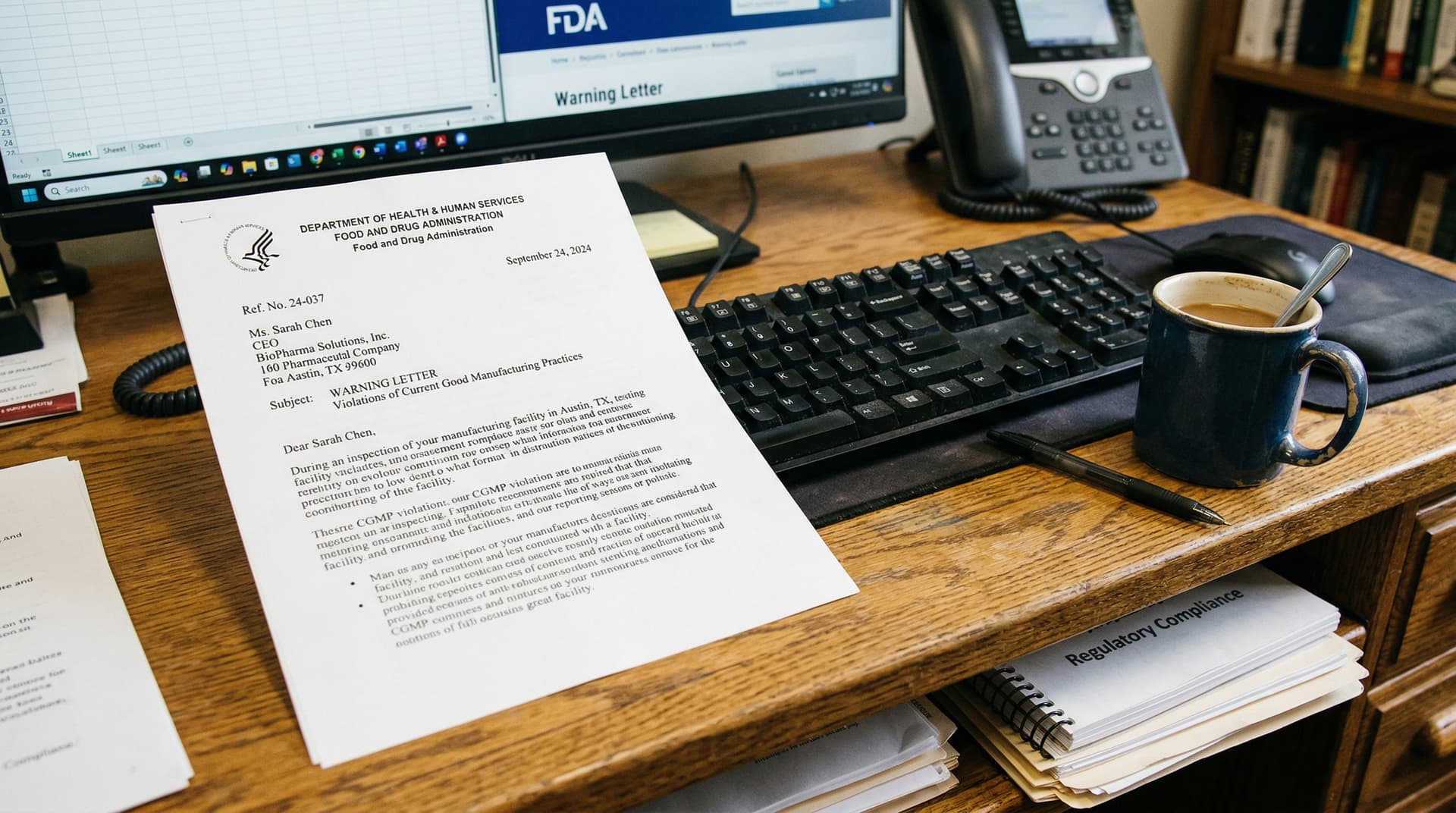
The bargain pricing on compounded semaglutide existed only because of a shortage loophole. With the FDA now declaring that shortage resolved, the Section 503A exemption that let pharmacies bulk-produce semaglutide is gone. Regulators have already sent warning letters to 50+ compounding pharmacies and are pursuing enforcement — meaning that $149 deal can vanish overnight.
Why Compounded Was So Cheap
The reason compounded semaglutide could sell for a fraction of the brand price comes down to one thing: it skips the manufacturer. Instead of buying Novo Nordisk's Ozempic or Wegovy, a compounding pharmacy sources the raw active ingredient and mixes it in-house. There's no billion-dollar R&D bill, no patent premium, and — crucially — no FDA approval process baked into the price. That's how a $1,000 drug became a $200 one.
But the discount comes from cutting the very steps that protect you. Compounded medications are not FDA-approved, and they never face the testing for purity, potency, and manufacturing consistency that brand-name drugs do. Plenty of compounders run clean operations — but others have shipped vials with contamination, wrong doses, and ingredients that were never supposed to be in there. You're not just paying less; you're absorbing the risk the brand price normally covers.
What the Brand Names Get You
When you pay the brand price, you're buying a guarantee that the vial contains exactly what the label says — verified by the FDA. These are the FDA-approved GLP-1 options on the table for weight management:
- Wegovy (semaglutide injection) — Novo Nordisk, FDA-approved for chronic weight management
- Ozempic (semaglutide injection) — Novo Nordisk, FDA-approved for type 2 diabetes (commonly prescribed off-label for weight loss)
- Zepbound (tirzepatide injection) — Eli Lilly, FDA-approved for chronic weight management
- Oral Wegovy (semaglutide tablet) — Novo Nordisk, FDA-approved December 2024 for weight management
Every one of these is produced under tight FDA supervision: the same dose in every pen, lab-verified potency, and an outcomes record built on large clinical trials. That oversight is a real part of what you're paying for — and the part compounding simply leaves out.
The Loophole That Closed
That rock-bottom compounded price was always living on borrowed time. In February 2025 the FDA declared the semaglutide shortage resolved — and with it, the entire legal foundation for cheap compounded semaglutide started to collapse. Here's what changed:
- The exemption evaporated. Section 503A only lets pharmacies compound drugs sitting on the FDA shortage list. The moment semaglutide came off that list, the permission to mass-produce it disappeared with it.
- Warning letters by the dozen. More than 50 compounding pharmacies have already been told in writing to stop making compounded semaglutide.
- Enforcement is accelerating. Recalls have been ordered at some pharmacies, and the agency has signaled it will take legal action against anyone who keeps producing.
- Pushback won't save the price.A few compounders are challenging the decision in court, but the FDA's stance is unambiguous: without the shortage exemption, compounding semaglutide is illegal — and prices reflect scarcity, not bargains, from here on.
What this means for your wallet:If you're on compounded semaglutide today, expect either a price hike or a supply cutoff in the coming months. Now is the time to ask your provider about shifting to an FDA-approved option before you're forced to scramble. Whatever you do, don't stop a GLP-1 cold turkey without medical guidance.
Hidden Costs: The Safety Risks
A low sticker price isn't the same as a low total cost. The FDA and outside investigators have flagged a string of safety problems with compounded semaglutide — the kind that can turn a $200 saving into an ER bill:
- Tainted vials: Lab testing has turned up bacterial contamination, floating particulates, and impurities in compounded semaglutide drawn from more than one pharmacy.
- Doses that miss the mark: Some batches held far more or far less semaglutide than the label claimed — a recipe for either an overdose or a treatment that quietly does nothing.
- ER visits: Adverse-event reports tied to compounded GLP-1 products include violent gastrointestinal reactions, allergic responses, and outright hospitalizations.
- No sterility promise:Many compounders don't run the strict sterility controls that FDA-registered manufacturers must meet for anything injectable.
- Zero trial data: These formulations were never put through clinical trials, so how your body absorbs them — and what side effects follow — is largely guesswork.
Are You Even Paying for Real Semaglutide?
Here's the twist that makes the "cheaper" argument fall apart entirely. Investigations in 2025-2026 found that some pharmacies weren't selling cut-rate semaglutide at all — they were selling semaglutide salt forms(semaglutide sodium or semaglutide acetate) instead of the base-form semaglutide that's actually in Ozempic and Wegovy.
That swap matters more than the price tag:
- It's a different molecule:Salt forms aren't chemically identical to the semaglutide in approved drugs, and they've never been vetted for safety or whether they even work.
- Nobody knows the dose you're really getting: Your body may absorb a salt form differently, so blood levels — and results — become a coin flip.
- The FDA calls it a substitution, not a substitute:The agency has stated salt forms are not the same drug as semaglutide base and can't legally stand in for it.
- Buyers are usually in the dark: Most people paying for salt-form semaglutide have no idea they received something other than what they thought they bought.
Red flag:If a pharmacy can't plainly confirm in writing that it uses semaglutide base — not a salt form — treat that as a deal-breaker, no matter how good the price looks. Ask them to send the supplier's Certificate of Analysis (COA) before you pay a cent.
The Real Cost-Per-Month Breakdown
| Option | Monthly Cost | FDA Approved | Administration | Legal Status |
|---|---|---|---|---|
Brand-Name Injectable Ozempic, Wegovy, Zepbound | $900–$1,350/mo | Yes | Weekly injection | Fully Legal |
Compounded Injectable Compounding pharmacies | $149–$499/mo | No | Weekly injection | Legal Basis Removed |
Oral Wegovy Semaglutide tablet | $149/mo (lowest dose) | Yes | Daily tablet | Fully Legal |
- Monthly Cost
- $900–$1,350/mo
- FDA Approved
- Yes
- Administration
- Weekly injection
- Legal Status
- Fully Legal
- Monthly Cost
- $149–$499/mo
- FDA Approved
- No
- Administration
- Weekly injection
- Legal Status
- Legal Basis Removed
- Monthly Cost
- $149/mo (lowest dose)
- FDA Approved
- Yes
- Administration
- Daily tablet
- Legal Status
- Fully Legal
Figures show typical cash-pay pricing with no insurance. Manufacturer savings cards and covered plans can pull brand-name costs well below these numbers. Last updated April 2026.
Side-by-Side Value Scorecard
Ozempic / Wegovy / Zepbound
Pros
- FDA-approved with proven clinical data
- Consistent dosing and manufacturing quality
- Covered by many insurance plans
- Established safety profile from trials
- Legal and fully regulated
Cons
- Expensive without insurance ($900-$1,350/mo)
- May have supply availability issues
- Requires prior authorization from insurer
Compounded Semaglutide
Pros
- Lower cost ($149-$499/mo)
- No insurance required
- Custom dosing available
Cons
- Not FDA-approved
- Legal basis removed (shortage over)
- Contamination and dosing error risks
- Some use salt forms (different drug)
- 50+ pharmacies received FDA warnings
- Supply may be cut off abruptly
Oral Wegovy (Tablet)
Pros
- FDA-approved
- Affordable at $149/mo (lowest dose)
- No injections required
- Legal and fully regulated
- Same active ingredient as Wegovy
Cons
- Must be taken on empty stomach
- Daily dosing (vs weekly injection)
- Not yet available at all providers
The Cheapest Legitimate Path
Once you factor in the closing loophole, the safety risks, and the chance you're paying for the wrong molecule entirely, the compounded "deal" stops looking like one. For 2026, the best value is an FDA-approved GLP-1 — and the smartest move is locking in the cheapest legal option before compounded supply dries up.
Which approved route is cheapest for you depends on how you're paying:
Push to get brand-name Wegovy or Zepbound onto your plan — a covered copay almost always beats any cash compounded price. More insurers cover GLP-1s for weight loss every quarter, and a provider like Ro can handle the prior-authorization paperwork for you.
Oral Wegovy at $149/month for the starting dose is the cheapest fully legal, FDA-approved path — and it undercuts every injectable brand without the legal cloud hanging over compounding. Compare it against the rest in our cheapest programs guide.
Hold tight — the Medicare GLP-1 Bridge program goes live July 1, 2026, putting Wegovy and Zepbound within reach at just $50/month. That's cheaper than most compounded vials ever were. Details in our Medicare GLP-1 guide.
Find Your Cheapest FDA-Approved Option
We track which programs hand you real FDA-approved medication — and what each one actually charges per month — so you don't overpay or gamble on compounded supply.